


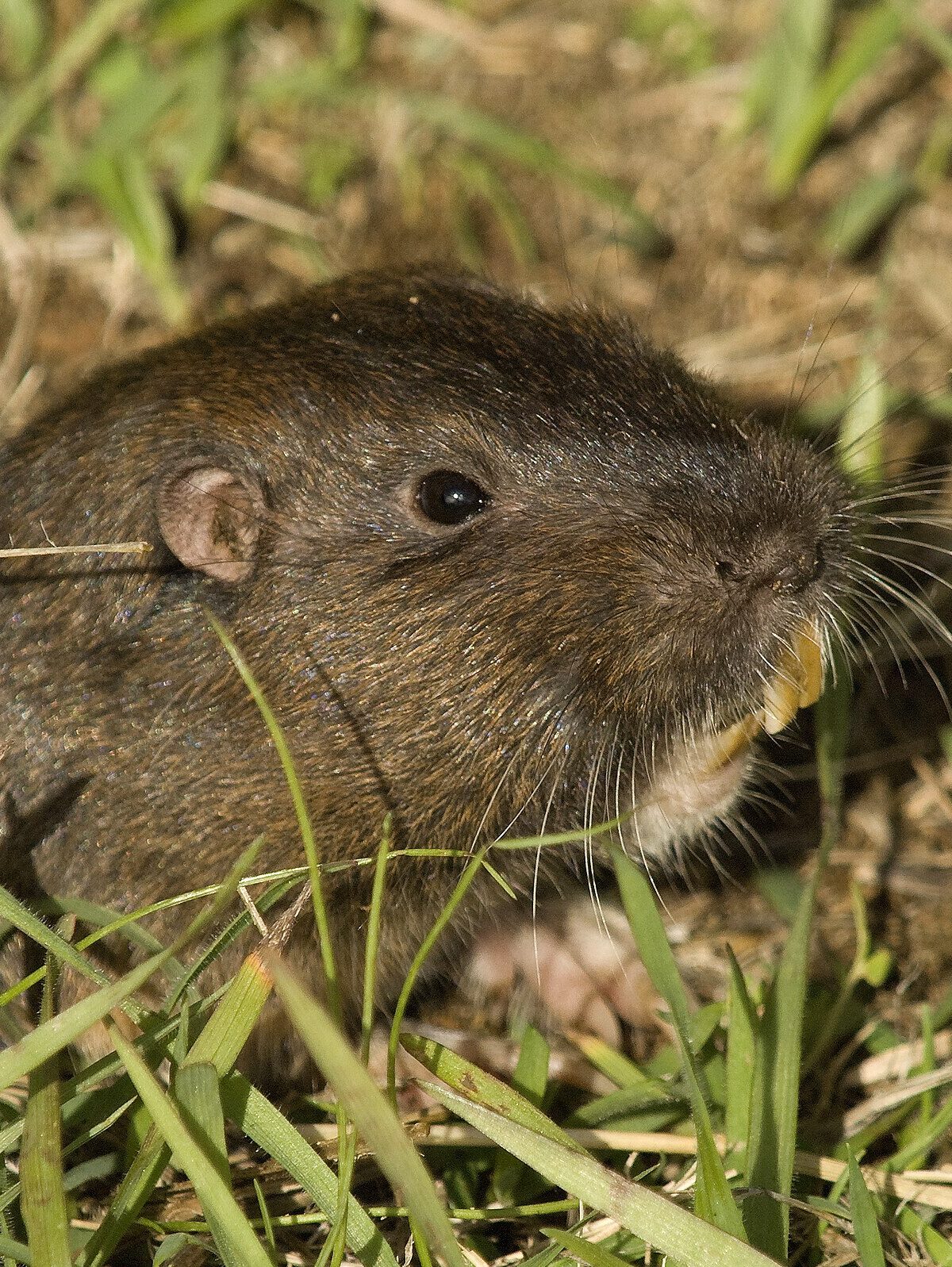
BOTTA'S POCKET GOPHER
Thomomys bottae
DESCRIPTION
Botta's Pocket Gopher (Thomomys bottae) is a small burrowing rodent known for its distinctive cheek pouches used for transporting food. It has a stocky body, short limbs, and a fur-covered tail, with coloration that typically ranges from light brown to gray. These gophers are primarily fossorial, spending most of their lives underground in extensive tunnel systems that they dig in search of food and shelter.
FUN FACTS
- Botta's Pocket Gophers are known for their impressive digging skills, capable of moving large amounts of soil to create their burrows
- Their cheek pouches can expand significantly, allowing them to carry food back to their burrows, which is essential for their survival during winter months.| These gophers play a crucial role in their ecosystems by aerating the soil and helping to disperse plant seeds through their foraging activities, which can promote plant diversity in their habitats
QUICK INFO
Lifespan3-5 years in the wild, up to 8 years in captivity
Average Weight150-200 g
Average Length20-30 cm
Diet TypeHerbivore
Social Structuresolitary, typically living alone in their burrows
Activity PatternNocturnal
Breeding SeasonSpring (March-May)
- Habitat
- They inhabit a range of environments, including grasslands, shrublands, and agricultural areas. Their burrowing behavior creates complex tunnel systems that provide shelter and access to food sources.
- Biomes
- Grassland, Savanna, Desert
- Native Range
- Botta's Pocket Gopher is native to western North America, particularly in the United States and parts of Mexico.
- Continent
- North America
- Countries
- United States, Mexico
- Diet
- Botta's Pocket Gophers primarily feed on a variety of plant materials, including roots, tubers, and other vegetation. They are known to store food in their burrows for later consumption.
- Diet Type
- Herbivore
- Favorite Food
- roots, tubers, and other vegetation
- Social Structure
- solitary, typically living alone in their burrows
- Activity Pattern
- Nocturnal
- Group Size
- 1
- Territorial
- 1
 CR
CR
 LC
LC
 LC
LC
150-200 g
Weight
20-30 cm
Length
- Coloration
- light brown to gray fur, with a paler underbelly
- Lifespan
- 3-5 years in the wild, up to 8 years in captivity
- Gestation Period
- 24-26 days
- Offspring per Birth
- 2-6
- Sexual Maturity
- 1 year
- Breeding Season
- Spring (March-May)
LC
Least Concern
IUCN Red List Status
- Population Status
- The population is considered stable in many areas, although local declines may occur due to habitat loss.
- Wild Population Estimate
- Unknown
- Population Trend
- Stable
- Endangered
- 0
- Threats
- Main threats include habitat destruction due to urban development and agriculture. Additionally, predation by domestic pets and natural predators can impact local populations.
- Predators
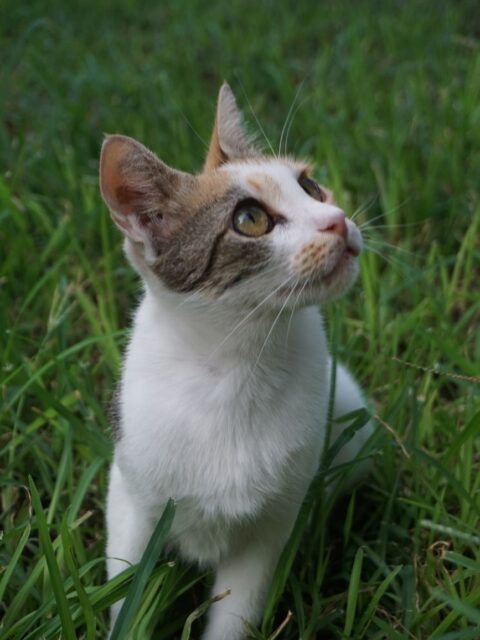
- hawks, owls, snakes, coyotes, and domestic cats
- Defense Mechanisms
- They rely on their burrowing abilities to escape predators, quickly retreating into their tunnels when threatened.
- Found in Zoos
- Uncommon