


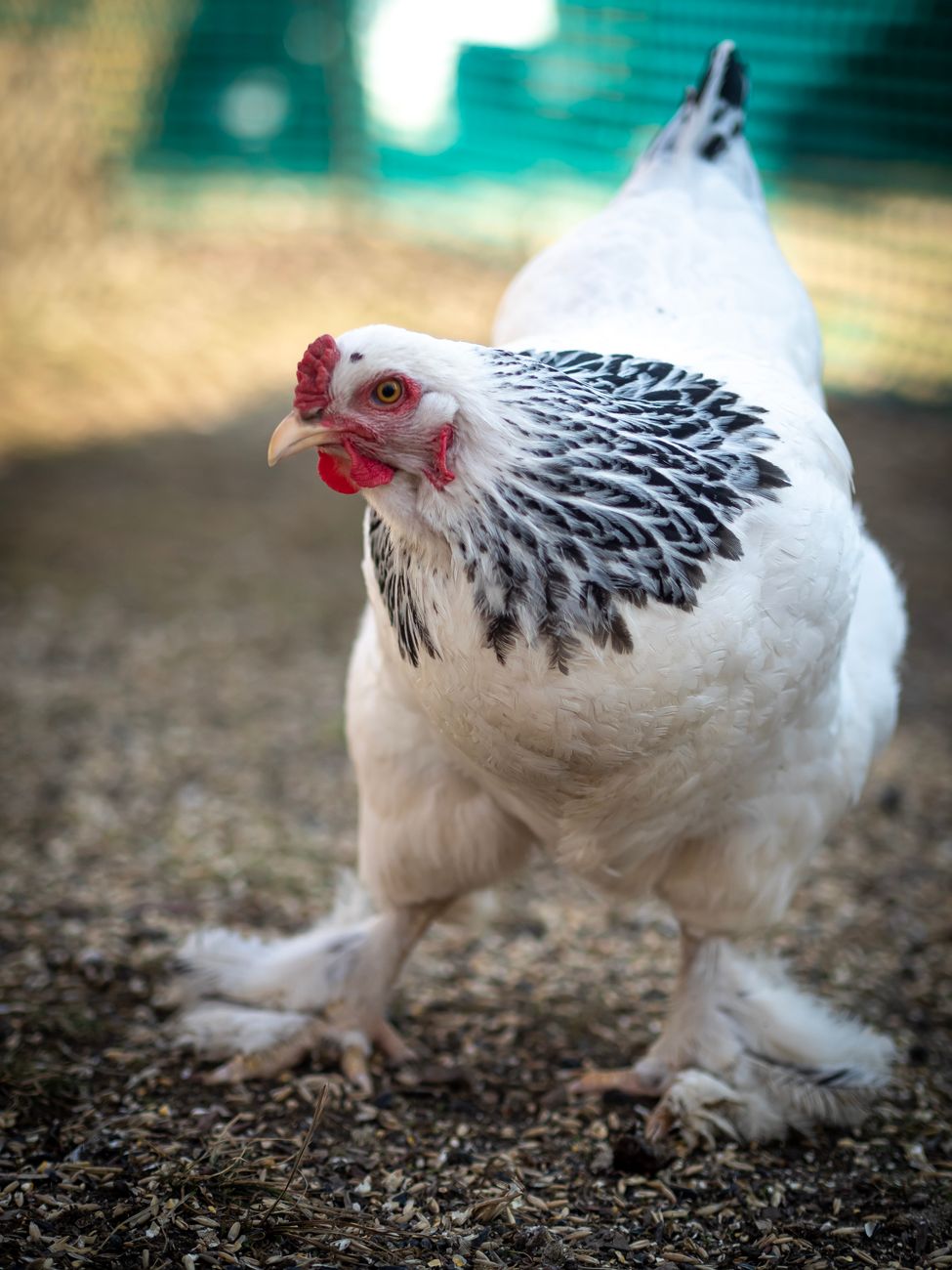
BRAHMA CHICKEN
DESCRIPTION
Also called Brahma and Brahma fowl, Brahma Chicken is a large and distinctive breed known for its impressive size and feathered legs. They have a calm demeanor and are often kept for both meat and ornamental purposes. Their appearance features a broad, deep body, a short neck, and a large head with a pea comb, making them quite striking in any poultry setting.
FUN FACTS
- Brahma Chickens were once considered the largest chicken breed in the world, with some individuals weighing over 5 kg
- They were also popular in the late 19th century, often featured in poultry shows and exhibitions due to their impressive size and unique appearance.|Despite their size, Brahma Chickens are known for their gentle temperament, making them excellent pets for families
- They are also good layers, producing a decent number of brown eggs, which adds to their value as a dual-purpose breed
QUICK INFO
Lifespan5-8 years in captivity
Average Weight3-4 kg
Diet TypeOmnivore
Social Structuregroup — they are social birds that thrive in flocks.
Activity PatternDiurnal
Breeding SeasonSpring (March-May)
- Habitat
- Brahma Chickens are typically found in domesticated environments, such as farms and backyards, where they have access to open spaces for foraging. They thrive in a variety of climates but prefer sheltered areas to protect them from extreme weather.
- Biomes
- Agricultural, Temperate Forest
- Native Range
- Originally bred in the United States from birds imported from China, Brahma Chickens are now found worldwide.
- Continent
- North America, Asia, Europe
- Countries
- United States, China, United Kingdom
- Diet
- Brahma Chickens are omnivorous, feeding on a variety of grains, seeds, insects, and kitchen scraps. They enjoy foraging and will often scratch the ground for food.
- Diet Type
- Omnivore
- Favorite Food
- grains, seeds, insects
- Social Structure
- group — they are social birds that thrive in flocks.
- Activity Pattern
- Diurnal
- Group Size
- 5-15
- Territorial
- 0
 LC
LC
 CR
CR
 LC
LC
3-4 kg
Weight
- Coloration
- They typically have a variety of color patterns, including light, dark, and blue, with feathered legs and a soft, fluffy appearance.
- Sexual Dimorphism
- Males are generally larger and have more pronounced combs and wattles than females.
- Lifespan
- 5-8 years in captivity
- Offspring per Birth
- 8-12 eggs per clutch
- Sexual Maturity
- 5-6 months
- Breeding Season
- Spring (March-May)
LC
Least Concern
IUCN Red List Status
- Population Status
- The population of Brahma Chickens is stable, with a dedicated following among poultry enthusiasts.
- Population Trend
- Stable
- Endangered
- 0
- Threats
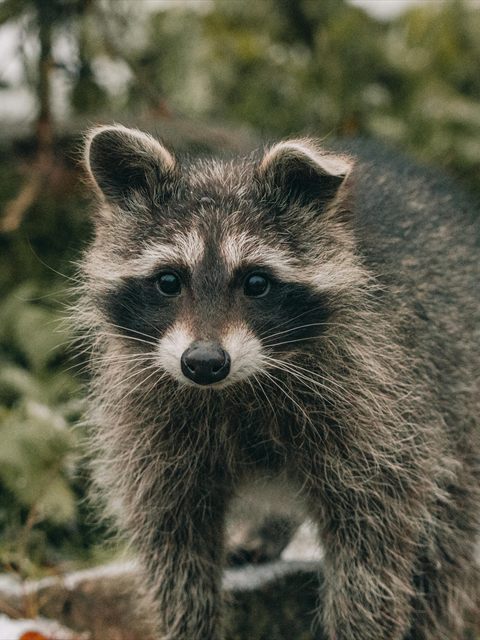
- Brahma Chickens face threats primarily from habitat loss and predation by animals such as raccoons and foxes. Additionally, they can be susceptible to diseases common in poultry.
- Predators
- raccoons, foxes, hawks, snakes
- Defense Mechanisms
- They rely on their size and social behavior for protection, often staying close to their flock for safety.
- Compatible Animals
- other chicken breeds, ducks, geese
- Found in Zoos
- Uncommon