


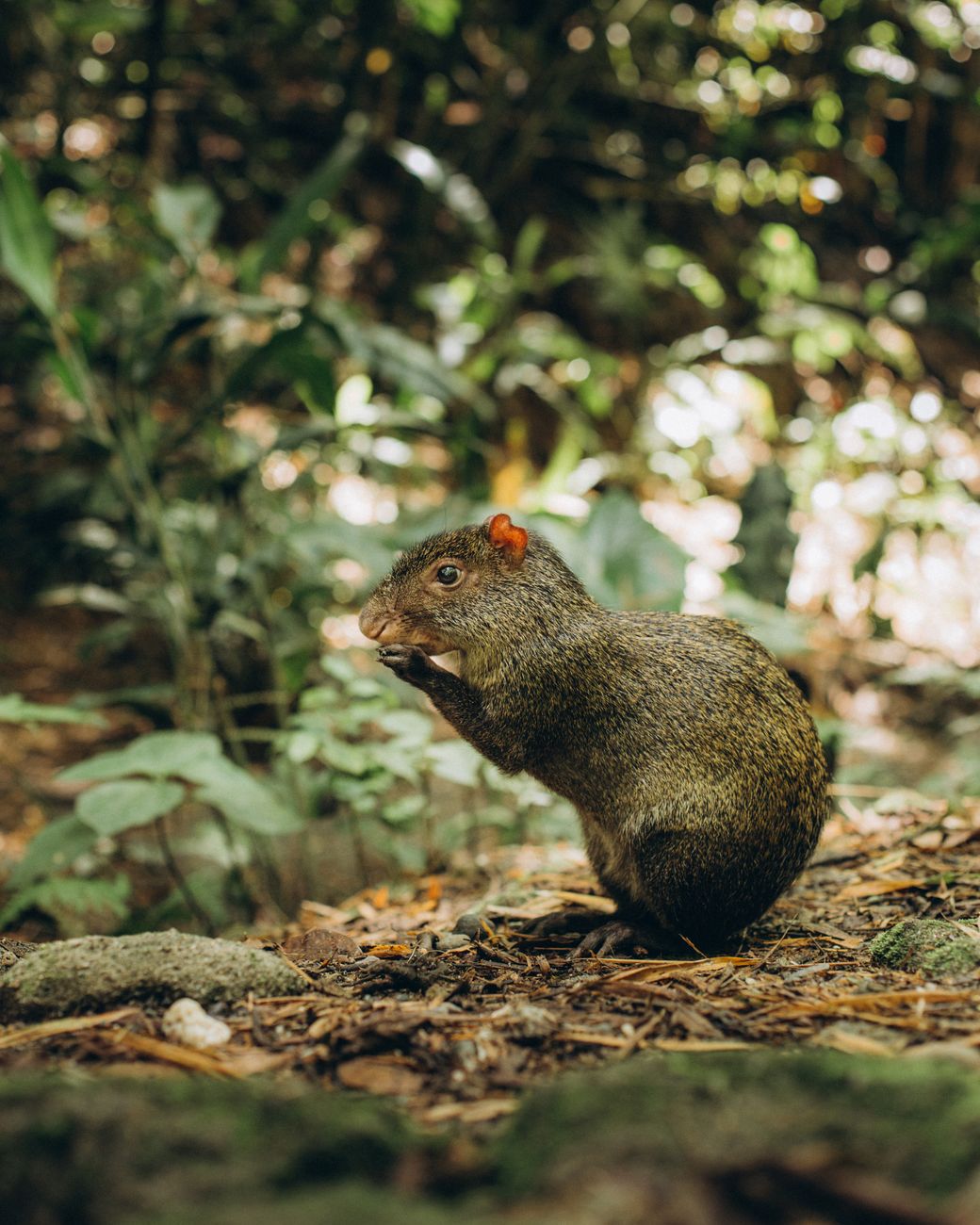
BRAZILIAN AGOUTI
DESCRIPTION
Also called Agouti, the Brazilian Agouti is a medium-sized rodent characterized by its robust body and short legs. It has a coarse, bristly fur that is typically brown or grayish in color, with lighter underparts. These animals are primarily terrestrial and are known for their agility and ability to navigate through dense forest undergrowth, often foraging for food on the forest floor.
FUN FACTS
- Brazilian Agoutis are known for their role in the ecosystem as seed dispersers, which helps maintain the health of their forest habitats
- They have a unique behavior of creating food caches, burying nuts and seeds in the ground, which they later retrieve, inadvertently aiding in forest regeneration.|These rodents have a distinctive way of communicating with each other through a series of vocalizations and body language, which helps them establish territory and attract mates
- Their keen sense of smell is crucial for locating food and detecting predators in their environment
QUICK INFO
Lifespan4-6 years in the wild, up to 10 years in captivity
Average Weight4-8 kg
Average Length50-70 cm
Diet TypeHerbivore
Social Structuresolitary, occasionally seen in pairs during mating
Activity PatternDiurnal
Breeding SeasonYear-round, peaking in wet season
- Habitat
- Brazilian Agoutis inhabit tropical and subtropical forests, often favoring areas with dense vegetation. They are also found in secondary forests and near agricultural lands.
- Biomes
- Tropical Rainforest, Subtropical Forest
- Native Range
- The Brazilian Agouti is native to the Amazon rainforest and surrounding areas in South America.
- Continent
- South America
- Countries
- Brazil, Colombia, Peru, Venezuela
- Diet
- The Brazilian Agouti primarily feeds on fruits, seeds, nuts, and tubers, playing a crucial role in seed dispersal within its ecosystem. They are known to cache food for later consumption, which helps in the regeneration of plant species.
- Diet Type
- Herbivore
- Favorite Food
- fruits, seeds, nuts
- Social Structure
- solitary, occasionally seen in pairs during mating
- Activity Pattern
- Diurnal
- Group Size
- 1-2
- Territorial
- 0
 NT
NT
 VU
VU
 LC
LC
4-8 kg
Weight
50-70 cm
Length
- Coloration
- brown or grayish fur with lighter underparts
- Lifespan
- 4-6 years in the wild, up to 10 years in captivity
- Gestation Period
- 90-100 days
- Offspring per Birth
- 1-3
- Sexual Maturity
- 6-12 months
- Breeding Season
- Year-round, peaking in wet season
LC
Least Concern
IUCN Red List Status
- Population Status
- The population of Brazilian Agouti is currently stable, but habitat loss poses a potential threat.
- Wild Population Estimate
- Unknown
- Population Trend
- Stable
- Endangered
- 0
- Threats
- Main threats include habitat destruction due to deforestation and hunting. These activities can lead to localized declines in their populations.
- Predators
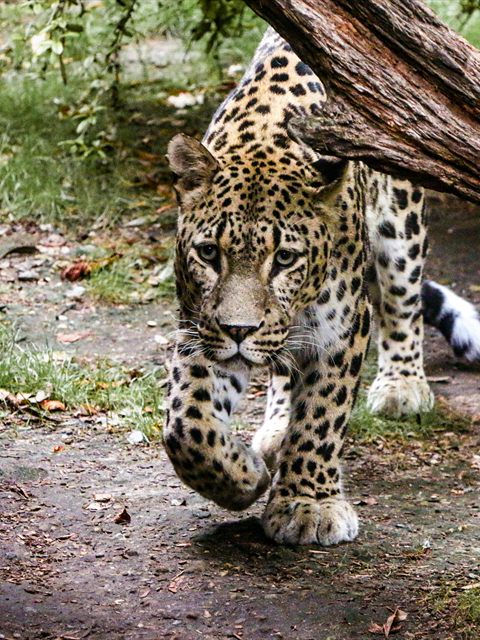
- Jaguar, Puma, Harpy Eagle, large snakes
- Defense Mechanisms
- Brazilian Agoutis rely on their agility and speed to escape predators, often using dense vegetation for cover.
- Found in Zoos
- Uncommon