


BRAZILIAN COCKROACH
DESCRIPTION
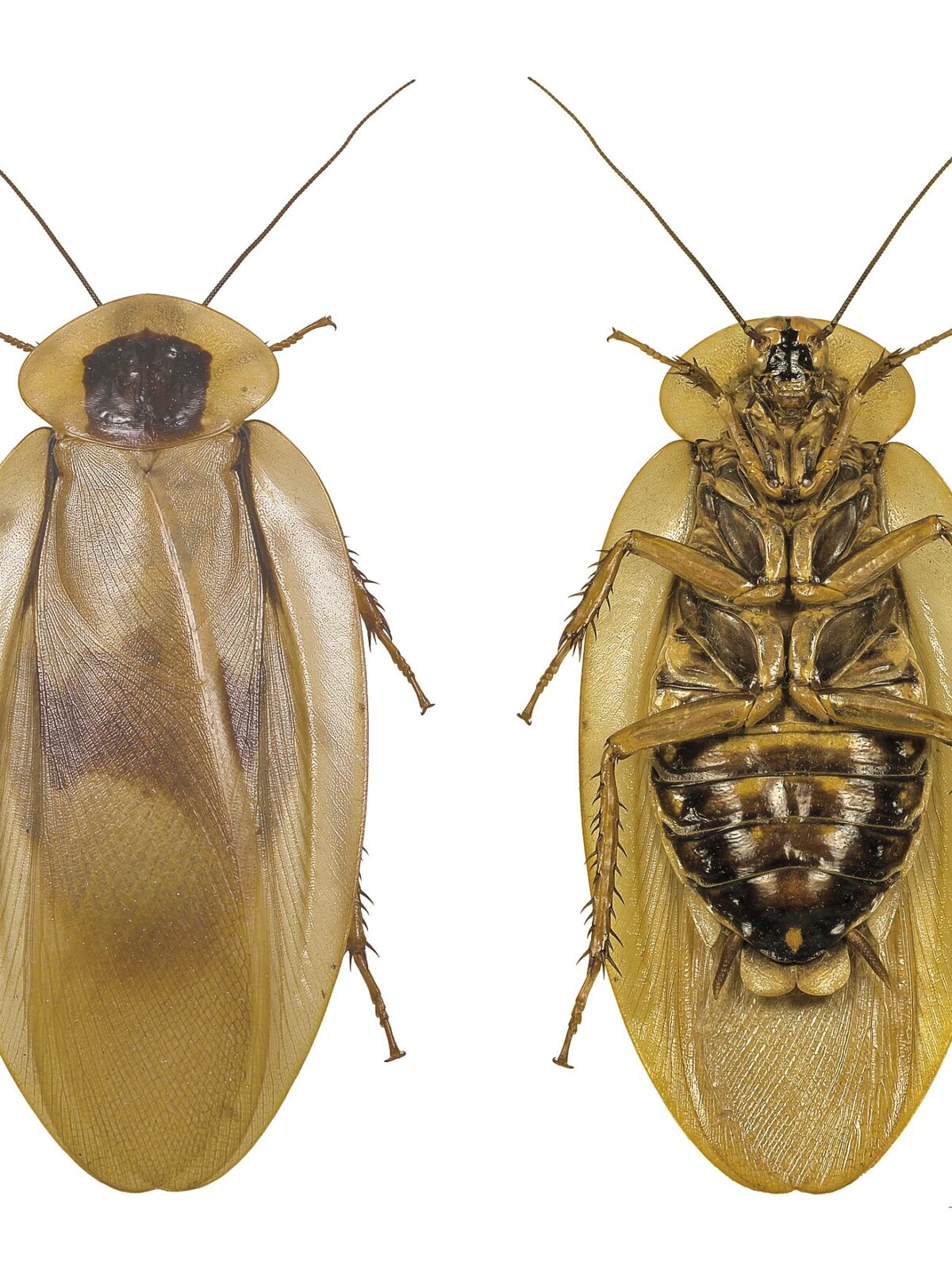
Brazilian Cockroach is a large species of cockroach known for its distinctive coloration and size. It typically exhibits a dark brown to black body with a glossy appearance, and can grow up to 10 cm in length. This species is primarily nocturnal, often found in leaf litter and decaying wood, playing a crucial role in the ecosystem as a decomposer.
FUN FACTS
- Brazilian Cockroaches are often used in scientific research due to their resilience and adaptability
- They can survive for weeks without food and can even withstand high levels of radiation
- | These cockroaches are also popular in the exotic pet trade, where they are kept for their unique appearance and behavior
- They are known for their ability to reproduce quickly, making them a sustainable food source for larger reptiles and amphibians
QUICK INFO
Lifespanapproximately 1-2 years in the wild
Average Length8-10 cm
Diet TypeOmnivore
Social Structuregroup — they are often found in colonies, which provides safety in numbers.
Activity PatternNocturnal
Breeding Seasonyear-round in suitable conditions
- Habitat
- These cockroaches thrive in humid, tropical environments, often found in forests and areas with abundant leaf litter. They prefer dark, moist places where they can hide from predators.
- Biomes
- Tropical Rainforest
- Native Range
- Brazil and surrounding regions in South America
- Continent
- South America
- Countries
- Brazil
- Diet
- Brazilian Cockroaches are omnivorous scavengers, feeding on a variety of organic materials including decaying plant matter and detritus. They contribute to nutrient cycling in their habitats.
- Diet Type
- Omnivore
- Favorite Food
- decaying plant matter, detritus
- Social Structure
- group — they are often found in colonies, which provides safety in numbers.
- Activity Pattern
- Nocturnal
- Group Size
- 10-100
- Territorial
- 0
 VU
VU

 LC
LC
8-10 cm
Length
- Coloration
- dark brown to black with a glossy appearance
- Sexual Dimorphism
- males are generally smaller and have longer wings than females
- Lifespan
- approximately 1-2 years in the wild
- Offspring per Birth
- 30-40
- Sexual Maturity
- approximately 6 months
- Breeding Season
- year-round in suitable conditions
LC
Least Concern
IUCN Red List Status
- Population Status
- The population of Brazilian Cockroaches is currently stable, with no significant threats reported.
- Wild Population Estimate
- unknown
- Population Trend
- Stable
- Endangered
- 0
- Threats
- Main threats include habitat destruction due to deforestation and urbanization. However, they are adaptable and can thrive in disturbed environments.
- Predators
- birds, small mammals, reptiles, and other insects
- Defense Mechanisms
- They can quickly scurry away to escape predators and have a hard exoskeleton that provides some protection.
- Found in Zoos
- Uncommon