


BRAZILIAN PORCUPINE
Coendou prehensilis
DESCRIPTION
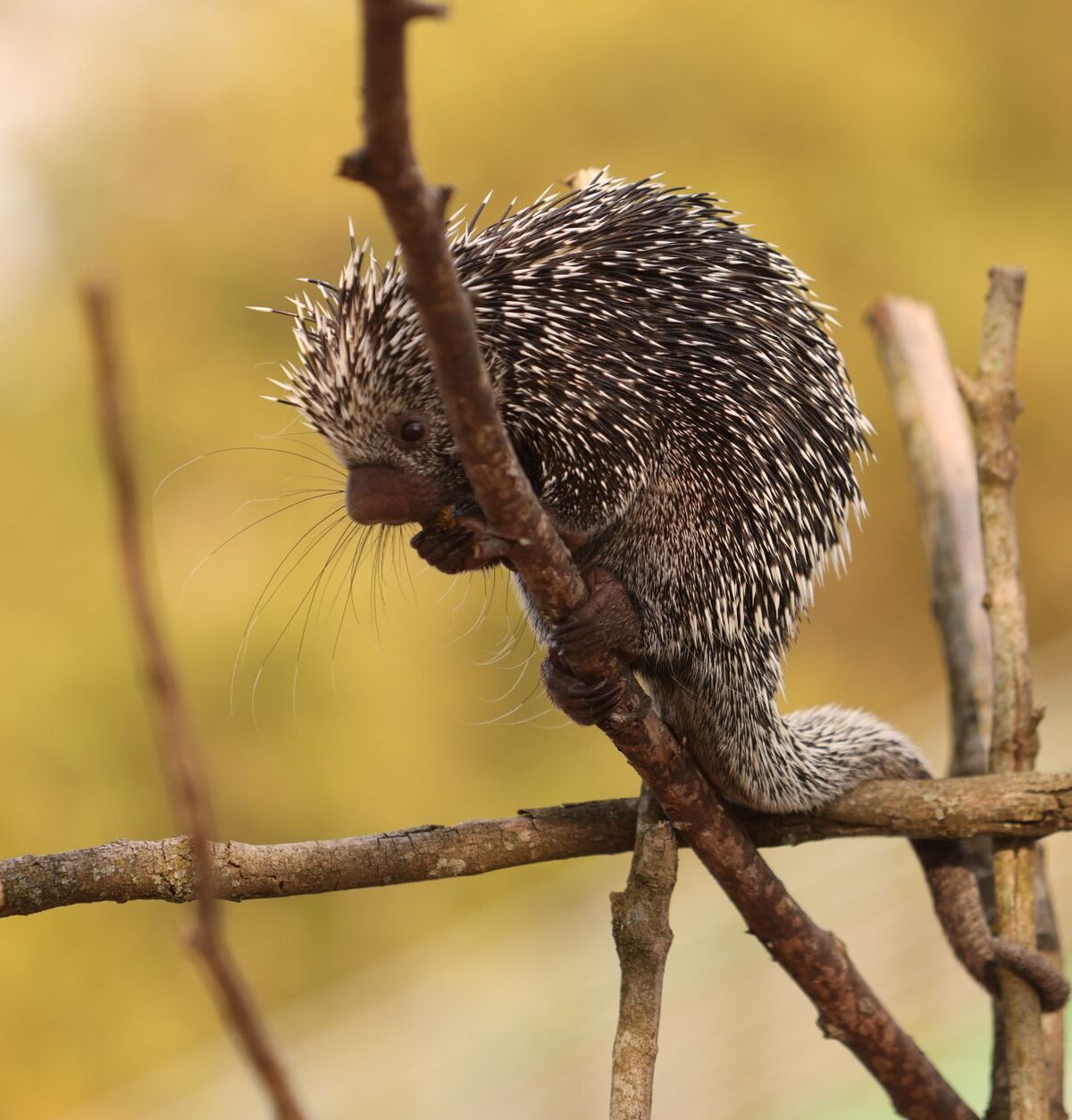
Also called Spiny Rat, the Brazilian Porcupine (Coendou prehensilis) is a large, nocturnal rodent known for its distinctive quills and prehensile tail. It has a robust body covered in coarse, spiny fur that provides excellent camouflage in its arboreal habitat. These porcupines are primarily tree-dwelling and are known for their slow, deliberate movements, often foraging for food in the canopy of tropical forests.
FUN FACTS
- Brazilian Porcupines have a unique prehensile tail that they use to grasp branches while climbing, making them highly adapted to their arboreal lifestyle
- Additionally, they are known to produce a variety of vocalizations, including hisses and grunts, to communicate with each other, especially during mating season
QUICK INFO
Lifespan10-15 years in the wild, up to 20 years in captivi
Average Weight5-10 kg
Average Length60-80 cm
Diet TypeHerbivore
Social Structuresolitary, occasionally seen in pairs during breeding
Activity PatternNocturnal
Breeding SeasonYear-round, peaks in rainy season
- Habitat
- They inhabit tropical and subtropical forests, often found in the canopy where they can easily access their food sources. Their arboreal lifestyle allows them to avoid many ground predators.
- Biomes
- Tropical Rainforest, Subtropical Forest
- Native Range
- The Brazilian Porcupine is native to the forests of South America, particularly in Brazil, Bolivia, and parts of Paraguay.
- Continent
- South America
- Countries
- Brazil, Bolivia, Paraguay
- Diet
- Brazilian Porcupines are herbivorous, primarily feeding on leaves, fruits, and flowers. They play a crucial role in their ecosystem by aiding in seed dispersal.
- Diet Type
- Herbivore
- Favorite Food
- leaves, fruits, flowers
- Social Structure
- solitary, occasionally seen in pairs during breeding
- Activity Pattern
- Nocturnal
- Group Size
- 1-2
- Territorial
- 0
 NT
NT
 NT
NT
5-10 kg
Weight
60-80 cm
Length
- Coloration
- dark brown to gray with spiny quills
- Lifespan
- 10-15 years in the wild, up to 20 years in captivi
- Gestation Period
- 90-120 days
- Offspring per Birth
- 1
- Sexual Maturity
- 1-2 years
- Breeding Season
- Year-round, peaks in rainy season
LC
Least Concern
IUCN Red List Status
- Population Status
- The population is currently stable, but habitat loss poses a potential threat.
- Wild Population Estimate
- Unknown
- Population Trend
- Stable
- Endangered
- 0
- Threats
- Main threats include habitat destruction due to deforestation and hunting. These activities have led to localized declines in some areas.
- Predators
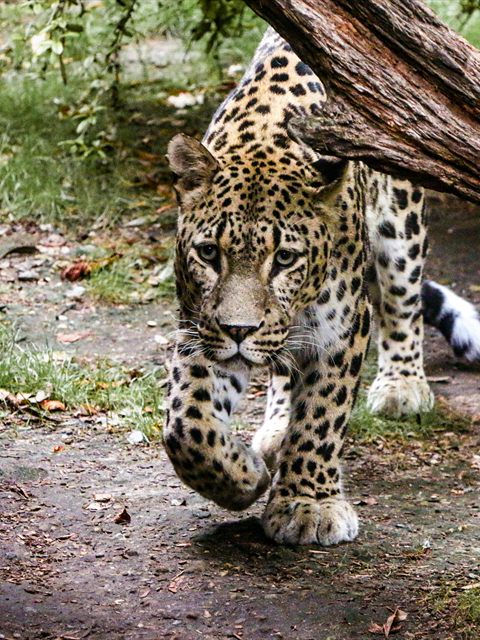
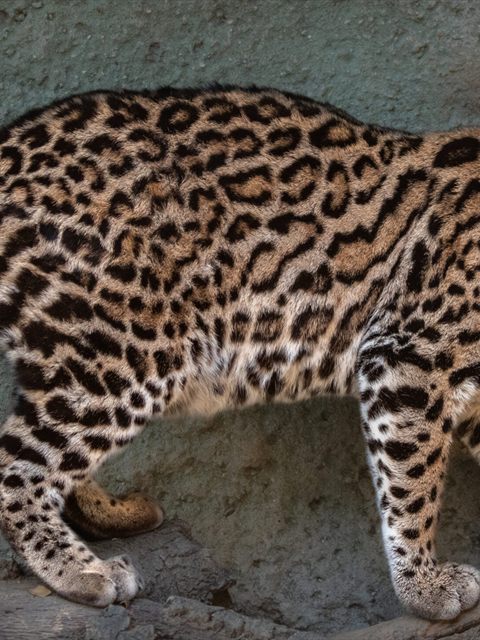
- Jaguars, ocelots, and large birds of prey are known to prey on Brazilian Porcupines.
- Defense Mechanisms
- They have sharp quills that can deter predators, and they can also curl into a ball to protect their vulnerable parts.
- Found in Zoos
- Uncommon