


BREDL'S PYTHON
Morelia bredli
DESCRIPTION
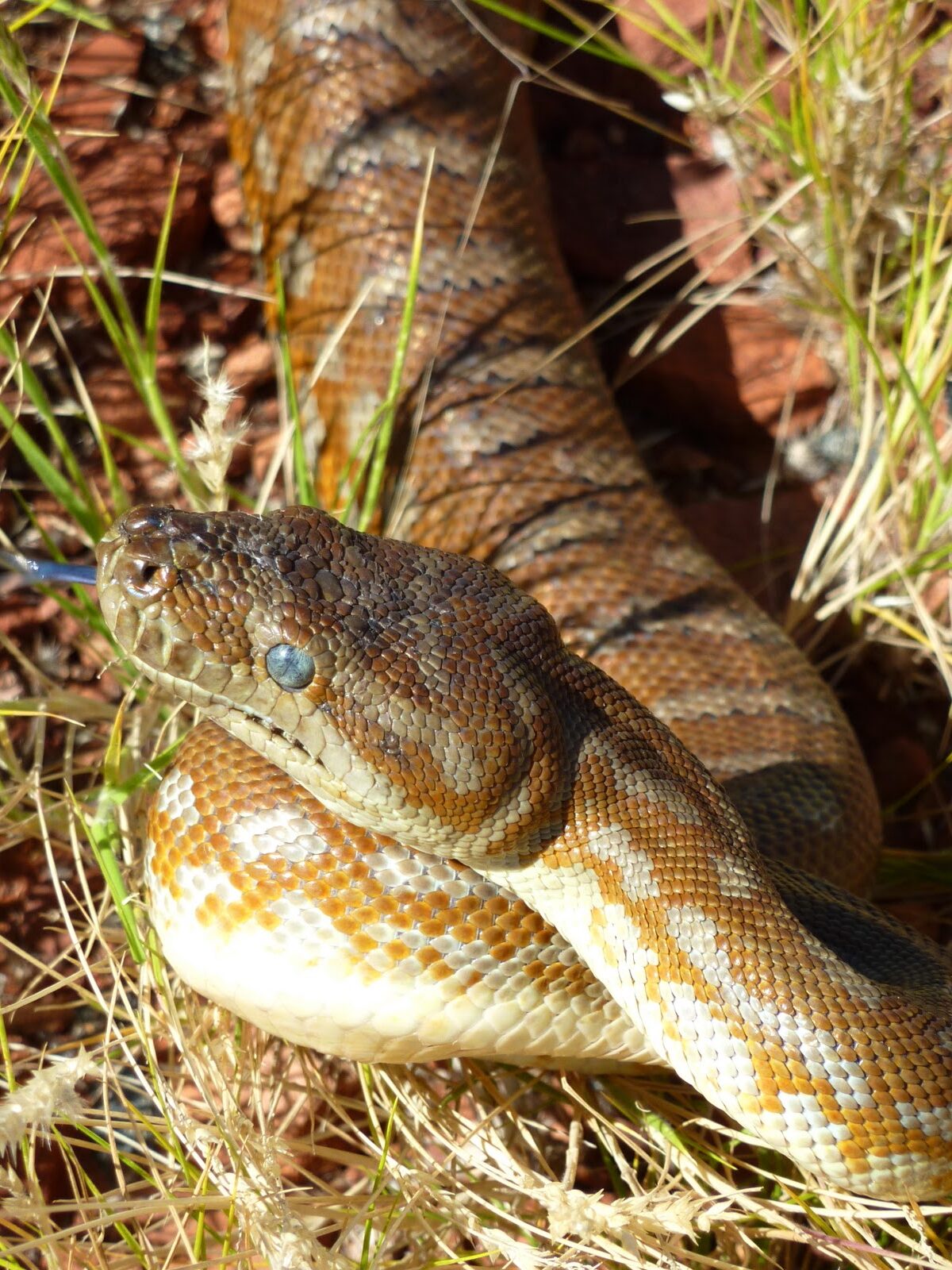
Bredl's Python (Morelia bredli) is commonly known as Bredl's Carpet Python, a strikingly beautiful snake native to the highlands of Australia. This species is characterized by its vibrant coloration, typically featuring a pattern of yellow and black or brown, which provides excellent camouflage in its natural habitat. Bredl's Python is primarily arboreal, spending much of its time in trees, and is known for its docile nature, making it a popular choice among reptile enthusiasts.
FUN FACTS
- Bredl's Python is known for its impressive climbing abilities, often found resting on branches or in trees, which helps it to ambush prey effectively
- Additionally, this species has a unique method of thermoregulation, using its environment to maintain optimal body temperature, which is crucial for its metabolic processes.|Bredl's Python is also popular in the pet trade due to its striking appearance and relatively docile nature, making it a favorite among reptile enthusiasts
- Its adaptability to captivity has led to various color morphs being developed, further increasing its appeal
QUICK INFO
Lifespan15-20 years in the wild, up to 30 in captivity
Average Weight2-5 kg
Average Length1.5-2.5 m
Diet TypeCarnivore
Social Structuresolitary
Activity PatternNocturnal
Breeding SeasonSpring (September-November)
- Habitat
- This species inhabits rocky outcrops and forested areas, often favoring eucalyptus woodlands. It is well-adapted to both arboreal and terrestrial environments.
- Biomes
- Temperate Forest, Montane Forest
- Native Range
- Bredl's Python is native to the highland regions of Queensland, Australia.
- Continent
- Australia
- Countries
- Australia
- Diet
- Bredl's Python primarily feeds on small mammals and birds, using constriction to subdue its prey. It hunts by ambushing unsuspecting animals that venture too close.
- Diet Type
- Carnivore
- Favorite Food
- small mammals, birds
- Social Structure
- solitary
- Activity Pattern
- Nocturnal
- Group Size
- 1
- Territorial
- 0
 VU
VU
2-5 kg
Weight
1.5-2.5 m
Length
- Coloration
- vibrant yellow and black or brown patterns
- Sexual Dimorphism
- males are typically smaller than females
- Lifespan
- 15-20 years in the wild, up to 30 in captivity
- Offspring per Birth
- 10-30
- Sexual Maturity
- 2-3 years
- Breeding Season
- Spring (September-November)
LC
Least Concern
IUCN Red List Status
- Population Status
- The population of Bredl's Python is currently stable, with no significant threats reported.
- Wild Population Estimate
- unknown
- Population Trend
- Stable
- Endangered
- 0
- Threats
- The main threats to Bredl's Python include habitat loss due to deforestation and human encroachment. However, it is not currently facing significant population declines.
- Predators
- birds of prey, larger snakes, and mammals such as foxes
- Defense Mechanisms
- Bredl's Python relies on camouflage and its ability to remain still to avoid detection by predators.
- Found in Zoos
- Common