


BRISTLENOSE CATFISH
DESCRIPTION
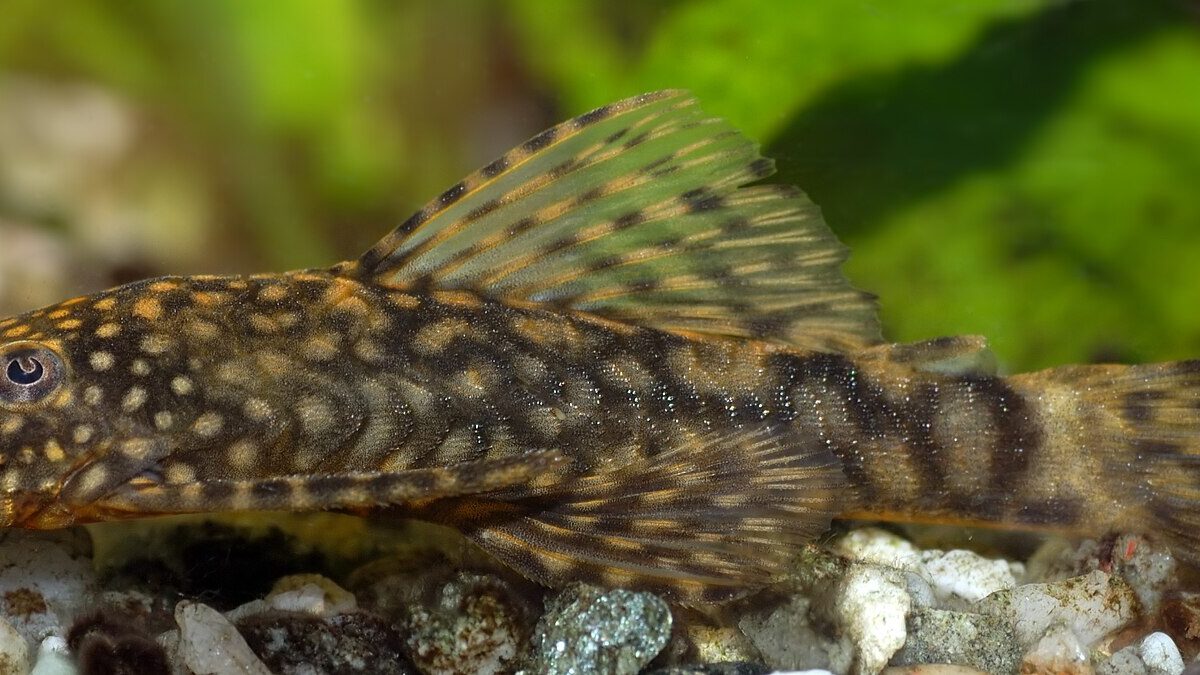
Bristlenose Catfish, also known as Bristle-nosed Catfish, is a small freshwater fish characterized by its distinctive bristle-like structures on the snout, which are more pronounced in males. These catfish typically have a flattened body and a broad head, with a coloration that ranges from brown to greenish, often featuring spots or patterns that provide camouflage among rocks and plants. They are primarily nocturnal and are known for their algae-eating habits, making them popular in aquariums for maintaining tank cleanliness.
FUN FACTS
- Bristlenose Catfish are known for their exceptional algae-eating abilities, which can help keep aquariums clean and healthy
- They are also popular among aquarists for their unique appearance and relatively easy care requirements.|These catfish are capable of breathing air due to a specialized swim bladder, allowing them to survive in low-oxygen environments
- This adaptation makes them resilient in various freshwater habitats
QUICK INFO
Lifespan5-10 years in the wild, up to 15 years in captivit
Average Weight100-200 g
Average Length10-15 cm
Diet TypeHerbivore
Social Structuresolitary, with males being territorial during breeding
Activity PatternNocturnal
Breeding SeasonSpring to early summer
- Habitat
- Bristlenose Catfish inhabit freshwater environments such as rivers, streams, and lakes, often preferring areas with plenty of hiding spots like rocks and driftwood. They thrive in slow-moving waters with ample vegetation.
- Biomes
- Freshwater, Rivers, Lakes
- Native Range
- Native to the Amazon Basin in South America, particularly in countries like Brazil, Peru, and Colombia.
- Continent
- South America
- Countries
- Brazil, Peru, Colombia
- Diet
- Bristlenose Catfish primarily feeds on algae, detritus, and plant matter, but they may also consume small invertebrates.
- Diet Type
- Herbivore
- Favorite Food
- algae, plant matter
- Social Structure
- solitary, with males being territorial during breeding
- Activity Pattern
- Nocturnal
- Group Size
- 1-5
- Territorial
- 1
 VU
VU
100-200 g
Weight
10-15 cm
Length
- Coloration
- brown to greenish with spots or patterns
- Sexual Dimorphism
- Males have more pronounced bristles on their snouts compared to females.
- Lifespan
- 5-10 years in the wild, up to 15 years in captivit
- Offspring per Birth
- 20-100
- Sexual Maturity
- 6-12 months
- Breeding Season
- Spring to early summer
LC
Least Concern
IUCN Red List Status
- Population Status
- The population is currently stable in its native range, but habitat destruction poses a potential threat.
- Wild Population Estimate
- Not specifically estimated, but considered stable
- Population Trend
- Stable
- Endangered
- 0
- Threats
- Main threats include habitat destruction due to deforestation and pollution in their native waters. Overfishing can also impact local populations.
- Predators
- Larger fish species, birds, and aquatic mammals may prey on Bristlenose Catfish.
- Defense Mechanisms
- They can hide among rocks and plants, and their tough skin provides some protection against predators.
- Compatible Animals
- Tetras, Gouramis, Rasboras, other peaceful community fish
- Found in Zoos
- Common