


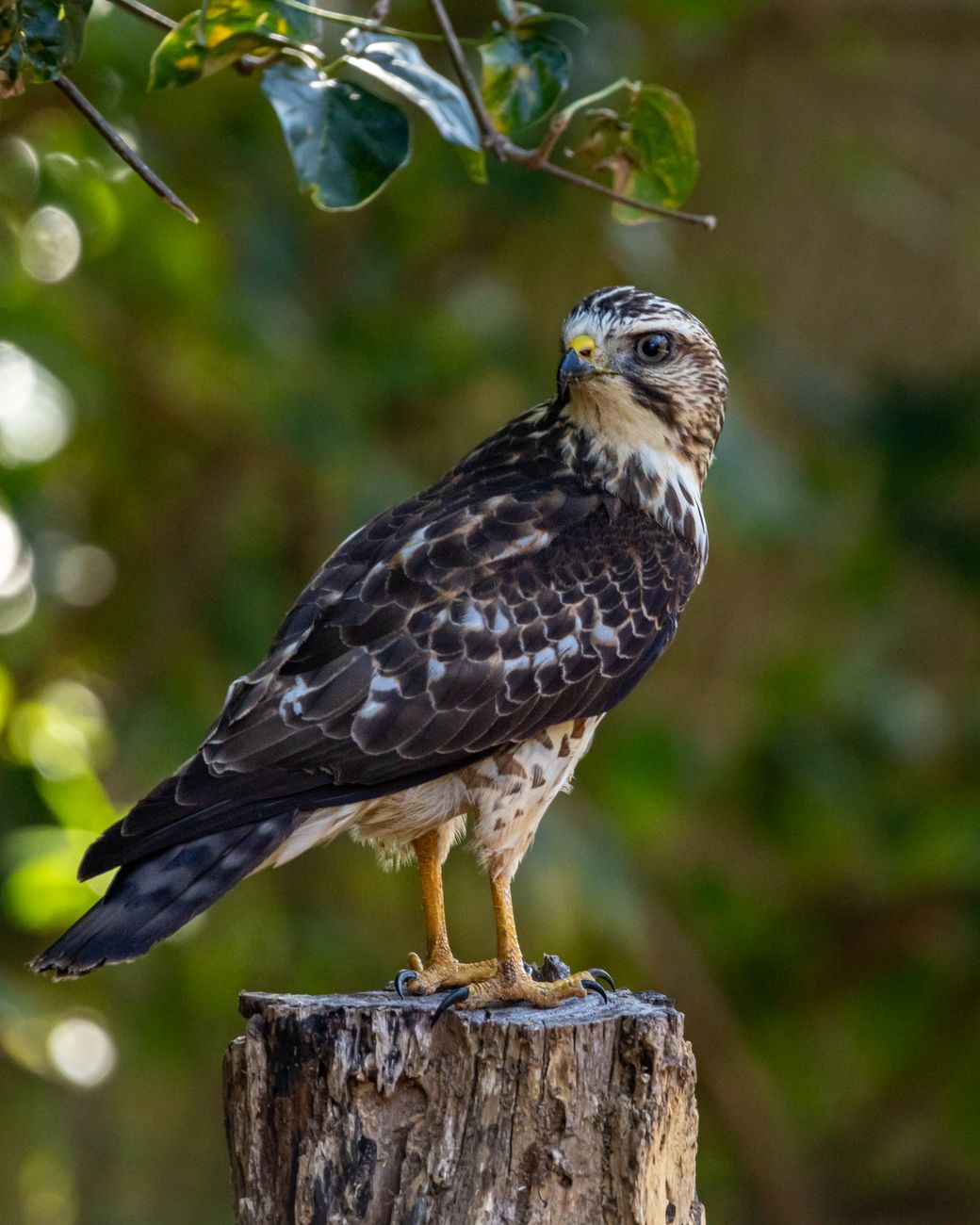
BROAD-WINGED HAWK
Buteo platypterus
DESCRIPTION
Broad-winged Hawk (Buteo platypterus) is commonly known as the Broad-winged Buzzard. This medium-sized raptor is characterized by its broad wings and short tail, which are particularly evident during its impressive migratory flights. It exhibits a variety of plumage colors, typically featuring a brownish back and a white underside with dark streaks, making it easily recognizable in its natural habitat.
FUN FACTS
- Broad-winged Hawks are known for their spectacular migratory flights, where they can be seen in large kettles soaring together in the sky
- These hawks can travel thousands of miles from their breeding grounds in North America to wintering areas in Central and South America, showcasing their incredible endurance and navigational skills.|During migration, Broad-winged Hawks often take advantage of thermal updrafts to gain altitude and conserve energy, allowing them to cover long distances with minimal effort
- This behavior not only aids in their migration but also highlights their adaptation to soaring flight, which is a key characteristic of many raptor species
QUICK INFO
Lifespan10-15 years in the wild
Average Weight0.5-1.0 kg
Average Length32-43 cm
Diet TypeCarnivore
Social Structuresolitary, pairs during breeding season
Activity PatternDiurnal
Breeding SeasonSpring (April-June)
- Habitat
- These hawks prefer forested areas, especially deciduous and mixed woodlands, where they can find ample nesting sites and hunting opportunities. They are also found in open areas adjacent to forests, such as fields and wetlands.
- Biomes
- Temperate Forest, Grassland
- Native Range
- Broad-winged Hawks breed in North America and migrate to Central and South America for the winter.
- Continent
- North America, South America
- Countries
- United States, Canada, Mexico
- Diet
- Broad-winged Hawks primarily feed on small mammals, birds, and reptiles. They are known to hunt from a perch or while soaring in the sky, using their keen eyesight to spot prey.
- Diet Type
- Carnivore
- Favorite Food
- small mammals, birds, reptiles
- Social Structure
- solitary, pairs during breeding season
- Activity Pattern
- Diurnal
- Group Size
- 1-2
- Territorial
- 1
 LC
LC
0.5-1.0 kg
Weight
32-43 cm
Length
- Coloration
- brownish back with a white underside and dark streaks
- Sexual Dimorphism
- females are generally larger than males
- Lifespan
- 10-15 years in the wild
- Offspring per Birth
- 2-4
- Sexual Maturity
- 1-2 years
- Breeding Season
- Spring (April-June)
LC
Least Concern
IUCN Red List Status
- Population Status
- The population of Broad-winged Hawks is currently stable, with healthy breeding numbers in their range.
- Wild Population Estimate
- 100,000-200,000
- Population Trend
- Stable
- Endangered
- 0
- Threats
- Main threats include habitat loss due to deforestation and urban development, as well as collisions with vehicles and power lines during migration. Climate change may also impact their migratory patterns and breeding success.
- Predators
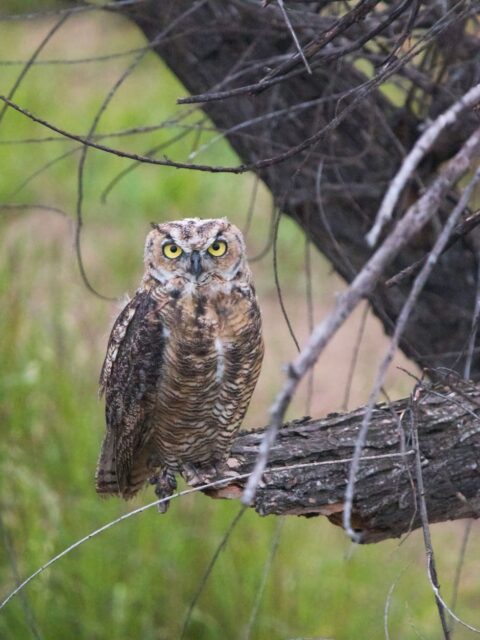
- Great Horned Owls, larger raptors, and humans can pose threats to Broad-winged Hawks, especially to their nests and young.
- Defense Mechanisms
- They rely on their ability to soar high and evade predators, as well as their sharp talons and beak for defense.
- Found in Zoos
- Uncommon