


BRONZE-WINGED DUCK
Speculanas specularis
DESCRIPTION
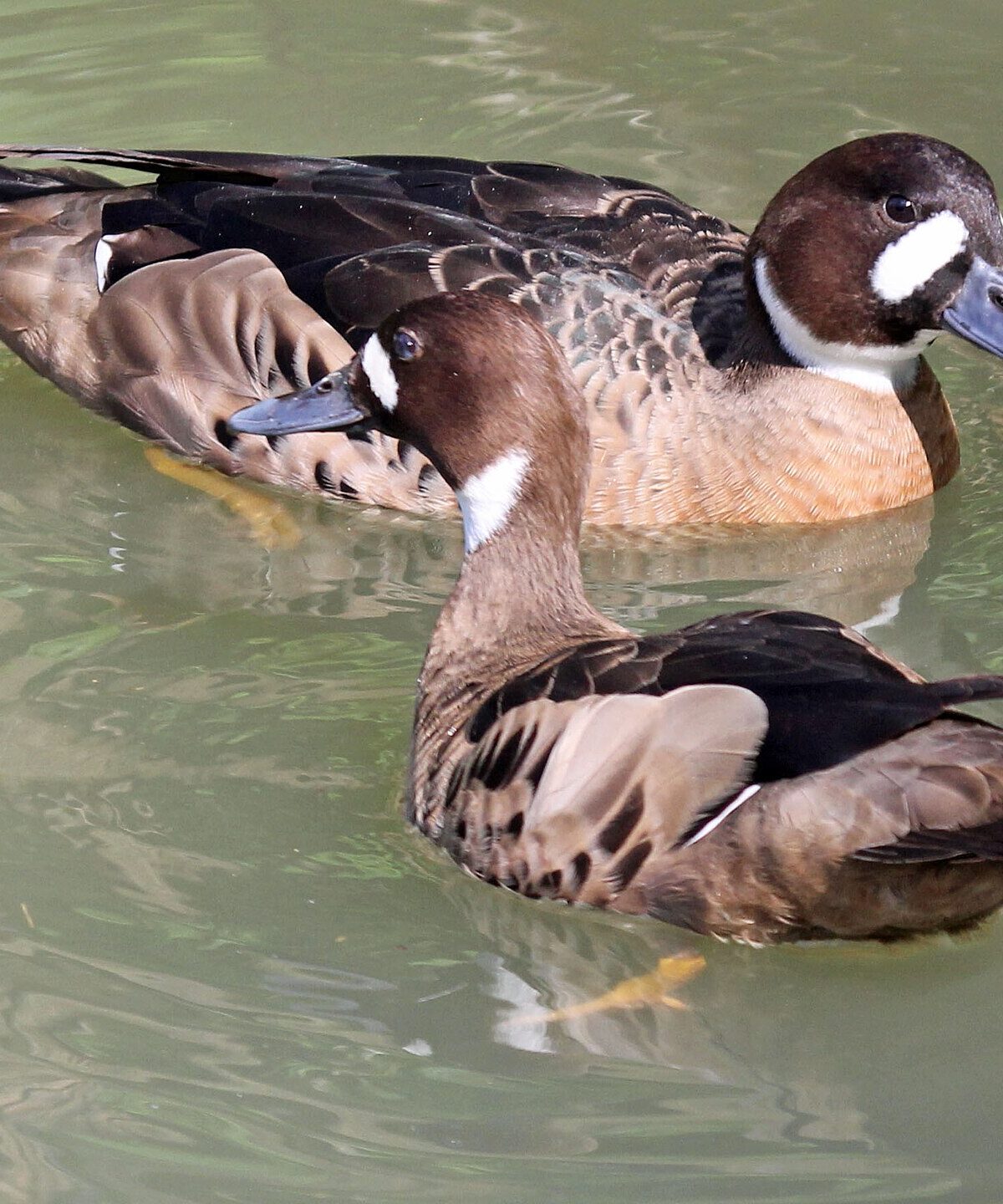
Bronze-winged Duck (Speculanas specularis) is a striking waterfowl known for its distinctive bronze-colored wings and iridescent plumage. This species exhibits a unique combination of colors, including a dark head, a white neck, and a brownish body, making it easily recognizable among ducks. Typically found in freshwater habitats, they are known for their shy behavior and preference for dense vegetation, which provides cover from predators.
FUN FACTS
- Bronze-winged Ducks are known for their unique courtship displays, which include elaborate vocalizations and synchronized movements
- These displays are not only a way to attract mates but also serve to strengthen pair bonds during the breeding season.| Despite their shy nature, Bronze-winged Ducks are quite social during the non-breeding season, often seen foraging in small groups
- Their ability to adapt to various wetland environments makes them a fascinating subject for study in avian ecology
QUICK INFO
Lifespan10-15 years in the wild, up to 20 in captivity
Average Weight0.7-1.2 kg
Average Length50-60 cm
Diet TypeOmnivore
Social StructureThey are typically found in pairs or small groups, especially during the breeding season.
Activity PatternCrepuscular
Breeding SeasonSpring to early summer
- Habitat
- These ducks inhabit freshwater wetlands, marshes, and shallow lakes, often favoring areas with dense vegetation. They require both open water for foraging and dense cover for nesting and protection.
- Biomes
- Wetlands, Freshwater
- Native Range
- The Bronze-winged Duck is native to parts of South America, particularly in countries like Brazil, Argentina, and Paraguay.
- Continent
- South America
- Countries
- Brazil, Argentina, Paraguay
- Diet
- Bronze-winged Ducks primarily feed on aquatic plants, seeds, and small invertebrates. They forage in shallow waters, using their bills to sift through mud and vegetation.
- Diet Type
- Omnivore
- Favorite Food
- aquatic plants, seeds, small invertebrates
- Social Structure
- They are typically found in pairs or small groups, especially during the breeding season.
- Activity Pattern
- Crepuscular
- Group Size
- 2-10
- Territorial
- 0

 VU
VU
0.7-1.2 kg
Weight
50-60 cm
Length
- Coloration
- The plumage is predominantly brown with striking bronze wing patches and a dark head.
- Sexual Dimorphism
- Males are generally more colorful than females, with brighter plumage and more pronounced wing markings.
- Lifespan
- 10-15 years in the wild, up to 20 in captivity
- Offspring per Birth
- 6-12
- Sexual Maturity
- 1-2 years
- Breeding Season
- Spring to early summer
LC
Least Concern
IUCN Red List Status
- Population Status
- The population of Bronze-winged Ducks is currently stable, but habitat loss poses a potential threat.
- Wild Population Estimate
- unknown
- Population Trend
- Stable
- Endangered
- 0
- Threats
- Main threats include habitat destruction due to agriculture and urban development. Pollution and hunting also pose risks to their populations.
- Predators
- Foxes, large birds of prey, and domestic animals can pose threats to Bronze-winged Ducks, especially to their nests and young.
- Defense Mechanisms
- They rely on their camouflage and the dense vegetation of their habitat to avoid detection by predators.
- Found in Zoos
- Uncommon