


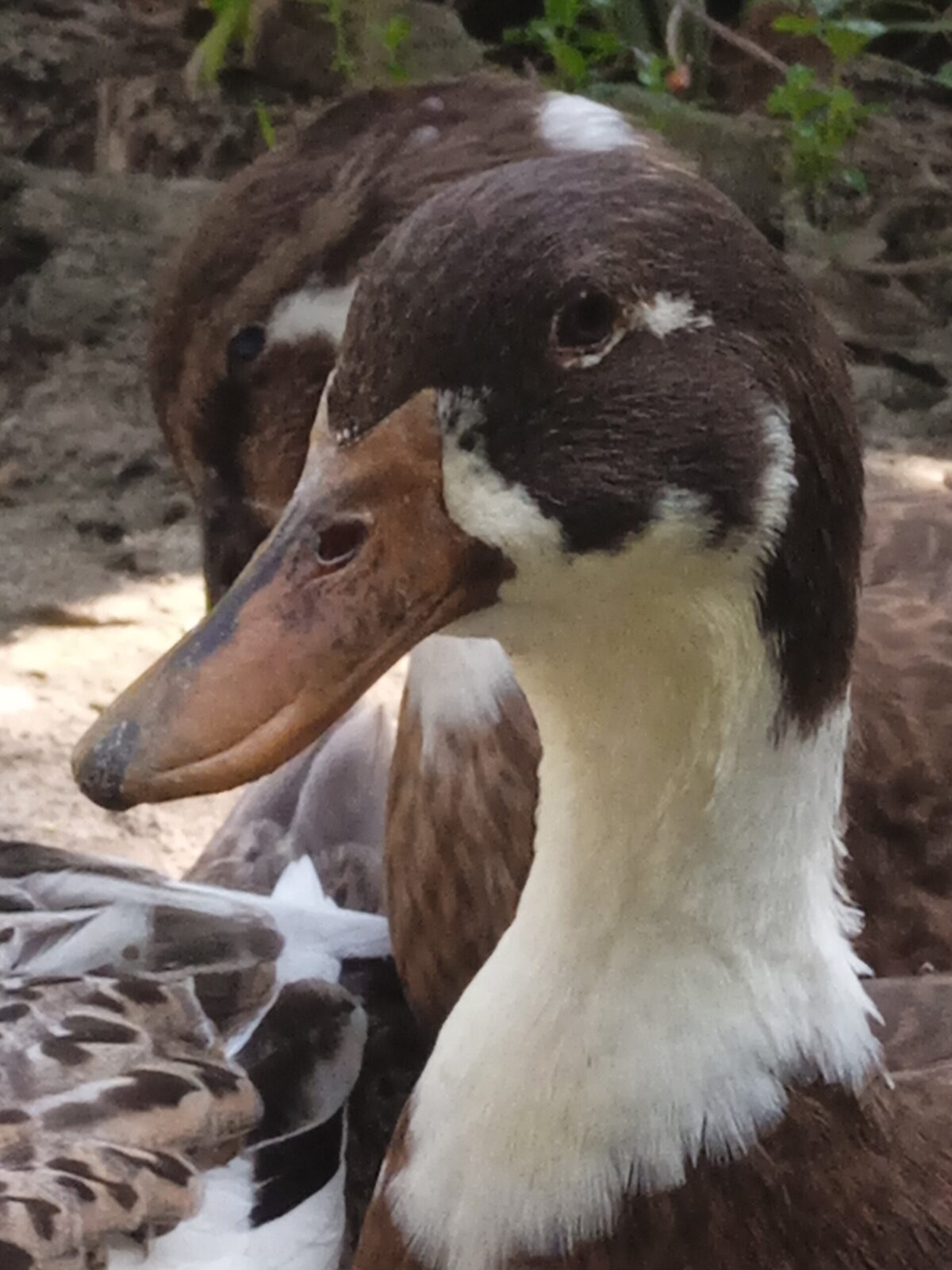
BROWN DUCK
DESCRIPTION
Also called Brown Teal and Pateke, Brown Duck is a small, dabbling duck known for its distinctive brown plumage, which provides excellent camouflage in its wetland habitats. This species exhibits a relatively shy behavior, often foraging in the early morning or late afternoon, and is known to be more active during the night. Brown Duck primarily inhabits freshwater wetlands, swamps, and marshes, where it plays a crucial role in the ecosystem by helping to control aquatic vegetation and providing food for predators.
FUN FACTS
- Brown Duck is known for its unique ability to adapt to various wetland environments, making it a resilient species despite habitat changes
- | Interestingly, Brown Duck has a strong pair bond during the breeding season, and both parents are involved in caring for the young, which is relatively uncommon among duck species
QUICK INFO
Lifespan10-15 years in the wild
Average Weight0.7-1.2 kg
Average Length50-60 cm
Diet TypeOmnivore
Social Structuresolitary or in pairs, occasionally found in small groups during foraging.
Activity PatternCrepuscular
Breeding SeasonSpring to early summer
- Habitat
- Brown Duck prefers freshwater wetlands, swamps, and marshes, where it can find abundant food and cover. These habitats are essential for their breeding and nesting activities.
- Biomes
- Wetlands, Freshwater
- Native Range
- Brown Duck is native to New Zealand and some surrounding islands.
- Continent
- Oceania
- Countries
- New Zealand
- Diet
- Brown Duck primarily feeds on aquatic plants, seeds, and small invertebrates, foraging by dabbling in the water or grazing on land.
- Diet Type
- Omnivore
- Favorite Food
- aquatic plants, seeds, invertebrates
- Social Structure
- solitary or in pairs, occasionally found in small groups during foraging.
- Activity Pattern
- Crepuscular
- Group Size
- 1-5
- Territorial
- 0
 LC
LC

0.7-1.2 kg
Weight
50-60 cm
Length
- Coloration
- Brown Duck has a mottled brown plumage with lighter underparts, providing excellent camouflage in their natural habitat.
- Lifespan
- 10-15 years in the wild
- Offspring per Birth
- 6-12
- Sexual Maturity
- 1 year
- Breeding Season
- Spring to early summer
EN
Endangered
IUCN Red List Status
- Population Status
- The population of Brown Duck is currently considered to be declining due to habitat loss and predation.
- Wild Population Estimate
- 5,000-10,000
- Population Trend
- Decreasing
- Endangered
- 1
- Threats
- Main threats to Brown Duck include habitat destruction due to agriculture and urban development, as well as predation by introduced species such as rats and cats. Conservation efforts are needed to protect their remaining habitats.
- Conservation Program
- Wetland restoration projects in New Zealand
- Predators
- Rats, cats, stoats, and other introduced mammals pose significant threats to Brown Duck populations.
- Defense Mechanisms
- Brown Duck relies on its cryptic coloration for camouflage and will often freeze or hide when threatened.
- Compatible Animals
- Other waterfowl species, null
- Found in Zoos
- Uncommon