


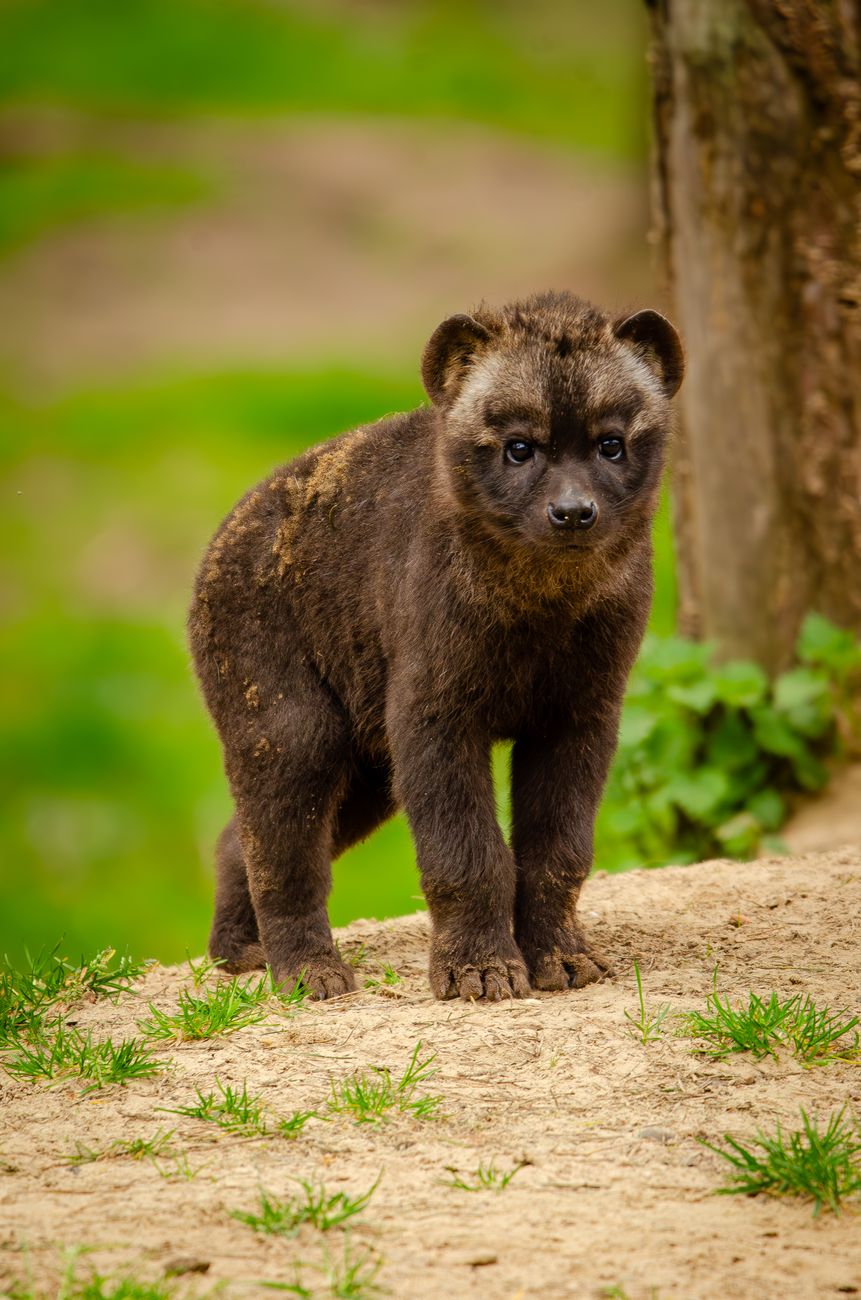
BROWN HYENA
Parahyaena brunnea
DESCRIPTION
Brown Hyena (Parahyaena brunnea) is commonly known as the strandwolf due to its coastal habitat preferences. This species is characterized by its long, shaggy brown fur, large ears, and a distinctive mane along its back. Brown Hyenas are primarily scavengers, often seen foraging for carrion, and they exhibit a unique social structure that includes solitary and small group behaviors.
FUN FACTS
- Brown Hyenas have a unique social structure that allows them to thrive in harsh environments, often scavenging for food in areas where other predators may not venture
- They are known for their distinctive vocalizations, which include whoops and growls that can be heard over long distances
- | Unlike other hyena species, Brown Hyenas have a more solitary lifestyle and are less aggressive, often avoiding confrontations with larger predators
- Their shaggy fur helps them blend into their arid surroundings, making them effective scavengers
QUICK INFO
Lifespan10-15 years in the wild, up to 20 years in captivi
Average Weight40-60 kg
Average Length1.2-1.5 m
Diet TypeCarnivore
Social Structuresolitary or small family groups, typically consisting of a mother and her offspring
Activity PatternNocturnal
Breeding SeasonYear-round, with peaks depending on local conditions
- Habitat
- Brown Hyenas inhabit arid and semi-arid regions, often found in savannas, deserts, and coastal areas. They prefer habitats with sparse vegetation that allows them to locate food easily.
- Biomes
- Savanna, Desert
- Native Range
- The native range of the Brown Hyena includes southwestern Africa, particularly in countries like Namibia, Botswana, and South Africa.
- Continent
- Africa
- Countries
- Namibia, Botswana, South Africa
- Diet
- Brown Hyenas primarily scavenge for food, consuming carrion left by larger predators. They also hunt small animals and will eat fruits and insects when necessary.
- Diet Type
- Carnivore
- Favorite Food
- carrion, small mammals
- Social Structure
- solitary or small family groups, typically consisting of a mother and her offspring
- Activity Pattern
- Nocturnal
- Group Size
- 1-5
- Territorial
- 1
 LC
LC
40-60 kg
Weight
1.2-1.5 m
Length
- Coloration
- shaggy brown fur with a lighter underbelly and distinctive markings
- Sexual Dimorphism
- males are generally larger than females
- Lifespan
- 10-15 years in the wild, up to 20 years in captivi
- Gestation Period
- 90-100 days
- Offspring per Birth
- 2-4
- Sexual Maturity
- 2-3 years
- Breeding Season
- Year-round, with peaks depending on local conditions
LC
Least Concern
IUCN Red List Status
- Population Status
- The population of Brown Hyenas is currently stable, but they face threats from habitat loss and human-wildlife conflict.
- Wild Population Estimate
- 10,000-20,000
- Population Trend
- Stable
- Endangered
- 0
- Threats
- Main threats to Brown Hyenas include habitat destruction, persecution by farmers, and competition with larger predators. They are often killed due to misconceptions about their behavior and impact on livestock.
- Predators
- Lions, hyenas (other species), and humans can pose threats to Brown Hyenas, particularly when they are young or vulnerable.
- Defense Mechanisms
- Brown Hyenas rely on their elusive nature and nocturnal habits to avoid predators, and they can also defend themselves with their strong jaws and teeth.
- Found in Zoos
- Uncommon