



BRUSH-TAILED RAT KANGAROO
Bettongia penicillata
DESCRIPTION
The Brush-Tailed Rat Kangaroo, or Bettongia penicillata, is a small marsupial characterized by its compact body, long tail, and large hind feet. It has a soft, dense fur that is typically brown or grey, providing excellent camouflage in its natural habitat. This species is known for its burrowing behavior and plays a crucial role in seed dispersal and soil aeration within its ecosystem.
FUN FACTS
- The Brush-Tailed Rat Kangaroo is an important ecological player, as its foraging habits help to aerate the soil and promote plant growth
- Additionally, they are known for their unique hopping style, which is different from larger kangaroo species, allowing them to navigate through dense vegetation with ease.| This species has a fascinating reproductive strategy, where the young are born in a very undeveloped state and continue to grow in the mother's pouch for several months
- This adaptation allows them to stay safe while they develop and learn to forage for food
QUICK INFO
Lifespan5-10 years in the wild, up to 15 in captivity
Average Weight1.5-3 kg
Average Length40-50 cm
Diet TypeHerbivore
Social Structuresolitary, occasionally seen in small groups
Activity PatternNocturnal
Breeding SeasonYear-round, with peaks in spring and summer
- Habitat
- This species inhabits a range of environments, including woodlands, grasslands, and scrublands. It prefers areas with dense undergrowth for shelter and foraging.
- Biomes
- Temperate Forest, Grassland
- Native Range
- Historically found across southern Australia, its range has significantly decreased due to habitat loss.
- Continent
- Australia
- Countries
- Australia
- Diet
- The Brush-Tailed Rat Kangaroo primarily feeds on a variety of plant materials, including roots, tubers, and seeds. It forages on the ground, using its strong forelimbs to dig for food.
- Diet Type
- Herbivore
- Favorite Food
- roots and seeds
- Social Structure
- solitary, occasionally seen in small groups
- Activity Pattern
- Nocturnal
- Group Size
- 1-3
- Territorial
- 0
 LC
LC
 LC
LC
 VU
VU
1.5-3 kg
Weight
40-50 cm
Length
- Coloration
- brown to grey fur with a lighter underbelly
- Lifespan
- 5-10 years in the wild, up to 15 in captivity
- Gestation Period
- 28-30 days
- Offspring per Birth
- 1-2
- Sexual Maturity
- 6-12 months
- Breeding Season
- Year-round, with peaks in spring and summer
EN
Endangered
IUCN Red List Status
- Population Status
- The population has declined significantly due to habitat destruction and predation by introduced species.
- Wild Population Estimate
- Less than 10,000
- Population Trend
- Decreasing
- Endangered
- 1
- Threats
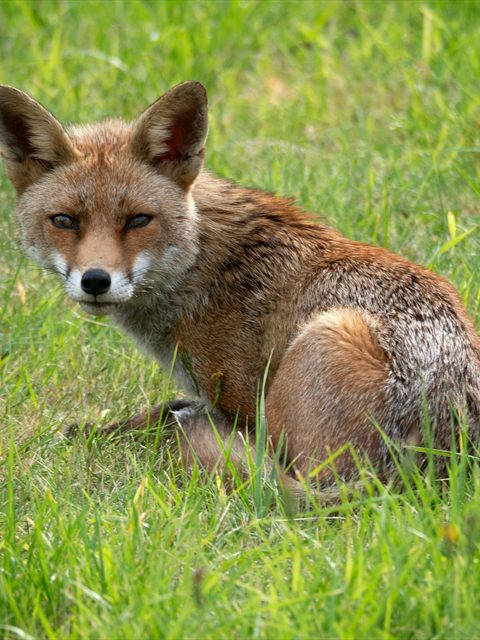
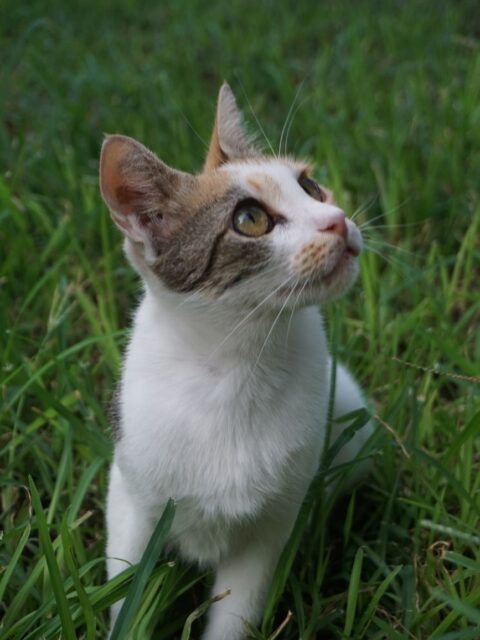
- Main threats include habitat loss due to agriculture and urban development, as well as predation by introduced species such as foxes and cats. Conservation efforts are ongoing to protect their remaining habitats.
- Conservation Program
- Recovery programs in place in several regions of Australia
- Predators
- Red Fox, Domestic Cat, Birds of Prey
- Defense Mechanisms
- They rely on their agility and speed to escape predators, often using burrows for shelter.
- Found in Zoos
- Uncommon