


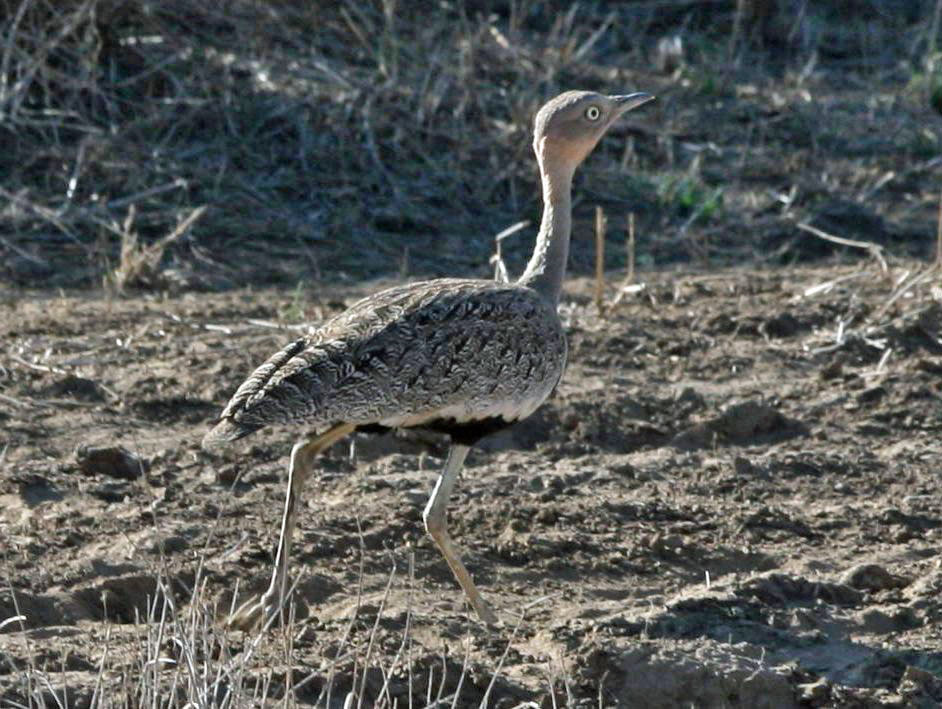
BUFF-CRESTED BUSTARD
Lissotis gindiana
DESCRIPTION
Buff-crested Bustard (Lissotis gindiana) is a large, ground-dwelling bird known for its distinctive buff-colored crest and striking plumage. This species exhibits a unique courtship display, where males perform elaborate dances to attract females, showcasing their impressive size and coloration. They are primarily found in open grasslands and savannas, where they rely on their camouflage to evade predators.
FUN FACTS
- Buff-crested Bustards are known for their impressive courtship displays, where males puff up their feathers and perform intricate dances to attract females
- These displays can be quite a spectacle, showcasing their agility and strength
- | Despite their size, Buff-crested Bustards are incredibly agile and can run quickly to escape threats
- They are also capable of short flights, although they prefer to stay on the ground
QUICK INFO
Lifespan10-15 years in the wild
Average Weight1.5-3 kg
Average Length60-75 cm
Diet TypeOmnivore
Social Structuresolitary or pair, with males often displaying alone during courtship.
Activity PatternDiurnal
Breeding SeasonSpring to early summer
- Habitat
- This species inhabits open grasslands, savannas, and scrublands, often favoring areas with sparse vegetation. They require large, unobstructed spaces for foraging and nesting.
- Biomes
- Savanna, Grassland
- Native Range
- Buff-crested Bustards are native to parts of southern Africa, particularly in countries like Botswana and Namibia.
- Continent
- Africa
- Countries
- Botswana, Namibia
- Diet
- Buff-crested Bustards primarily feed on seeds, fruits, and insects, foraging on the ground for food. Their diet can vary seasonally based on food availability.
- Diet Type
- Omnivore
- Favorite Food
- seeds, fruits, insects
- Social Structure
- solitary or pair, with males often displaying alone during courtship.
- Activity Pattern
- Diurnal
- Group Size
- 1-2
- Territorial
- 1
 LC
LC
 LC
LC
 VU
VU
1.5-3 kg
Weight
60-75 cm
Length
- Coloration
- The plumage is predominantly buff with intricate patterns of brown and black, providing excellent camouflage in their natural habitat.
- Sexual Dimorphism
- Males are generally larger and more colorful than females, especially during the breeding season.
- Lifespan
- 10-15 years in the wild
- Offspring per Birth
- 2-4 eggs
- Sexual Maturity
- 1-2 years
- Breeding Season
- Spring to early summer
LC
Least Concern
IUCN Red List Status
- Population Status
- The population of Buff-crested Bustards is currently stable, but they face habitat loss due to agricultural expansion.
- Wild Population Estimate
- unknown
- Population Trend
- Stable
- Endangered
- 0
- Threats
- Main threats include habitat destruction due to agriculture and human encroachment. Additionally, hunting and predation by domestic animals pose risks to their populations.
- Predators
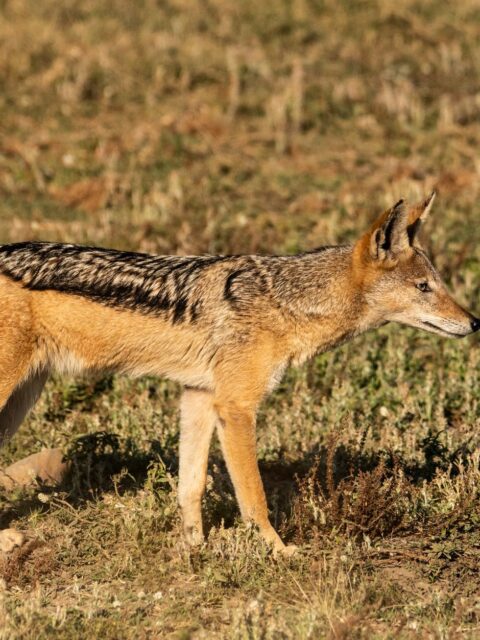
- Jackals, eagles, and other large birds of prey.
- Defense Mechanisms
- Buff-crested Bustards rely on their cryptic coloration to blend into their surroundings, making them difficult to spot by predators.
- Found in Zoos
- Uncommon