


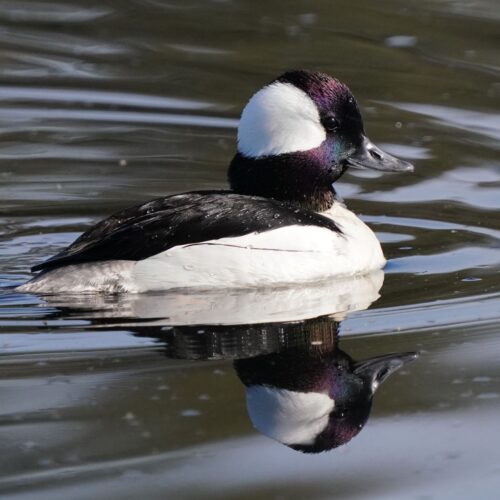
BUFFLEHEAD
Bucephala albeola
DESCRIPTION
The Bufflehead is a small diving duck known for its striking appearance, particularly the male, which has a distinctive black and white plumage with a large, rounded head. Females are more subdued in color, featuring a brownish body with a white patch near the eye. These ducks are agile flyers and are often seen in small groups, diving for food in freshwater lakes and ponds.
FUN FACTS
- Buffleheads are one of the smallest diving ducks in North America, making them quite agile in the water
- They are also known for their unique courtship displays, where males perform elaborate aerial maneuvers to attract females.| Despite their small size, Buffleheads are capable of diving to depths of up to 15 feet in search of food, showcasing their impressive swimming abilities
QUICK INFO
Lifespan5-10 years in the wild.
Average Weight0.5-0.9 kg
Average Length30-38 cm
Diet TypeOmnivore
Social Structurepair, often seen in small groups during migration and wintering.
Activity PatternDiurnal
Breeding SeasonSpring (April-June)
- Habitat
- Buffleheads inhabit freshwater lakes, ponds, and marshes, particularly during the breeding season. They prefer areas with abundant vegetation and open water for foraging.
- Biomes
- Freshwater, Wetlands
- Native Range
- Buffleheads breed in Canada and the northern United States, migrating to the southern United States and Mexico for winter.
- Continent
- North America
- Countries
- Canada, United States, Mexico
- Diet
- Buffleheads primarily feed on aquatic invertebrates and small fish, diving underwater to forage. They are known to consume a variety of food items, including crustaceans and mollusks.
- Diet Type
- Omnivore
- Favorite Food
- aquatic invertebrates, small fish
- Social Structure
- pair, often seen in small groups during migration and wintering.
- Activity Pattern
- Diurnal
- Group Size
- 2-10
- Territorial
- 0
 LC
LC
 CR
CR
0.5-0.9 kg
Weight
30-38 cm
Length
- Coloration
- Males are black and white with a distinctive large white patch on the head; females are brown with a white cheek patch.
- Sexual Dimorphism
- Males are more colorful and larger than females.
- Lifespan
- 5-10 years in the wild.
- Offspring per Birth
- 5-7
- Sexual Maturity
- 1 year
- Breeding Season
- Spring (April-June)
LC
Least Concern
IUCN Red List Status
- Population Status
- The Bufflehead population is currently stable, with no significant declines reported.
- Wild Population Estimate
- 200,000-300,000
- Population Trend
- Stable
- Endangered
- 0
- Threats
- Main threats include habitat loss due to wetland drainage and pollution. Climate change also poses a risk to their breeding and wintering habitats.
- Predators
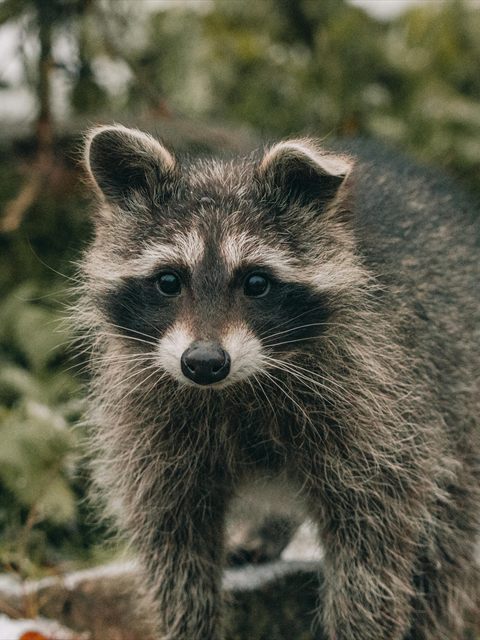
- Common predators include foxes, raccoons, and various birds of prey such as eagles and hawks.
- Defense Mechanisms
- Buffleheads rely on their ability to dive quickly to escape predators.
- Found in Zoos
- Uncommon