


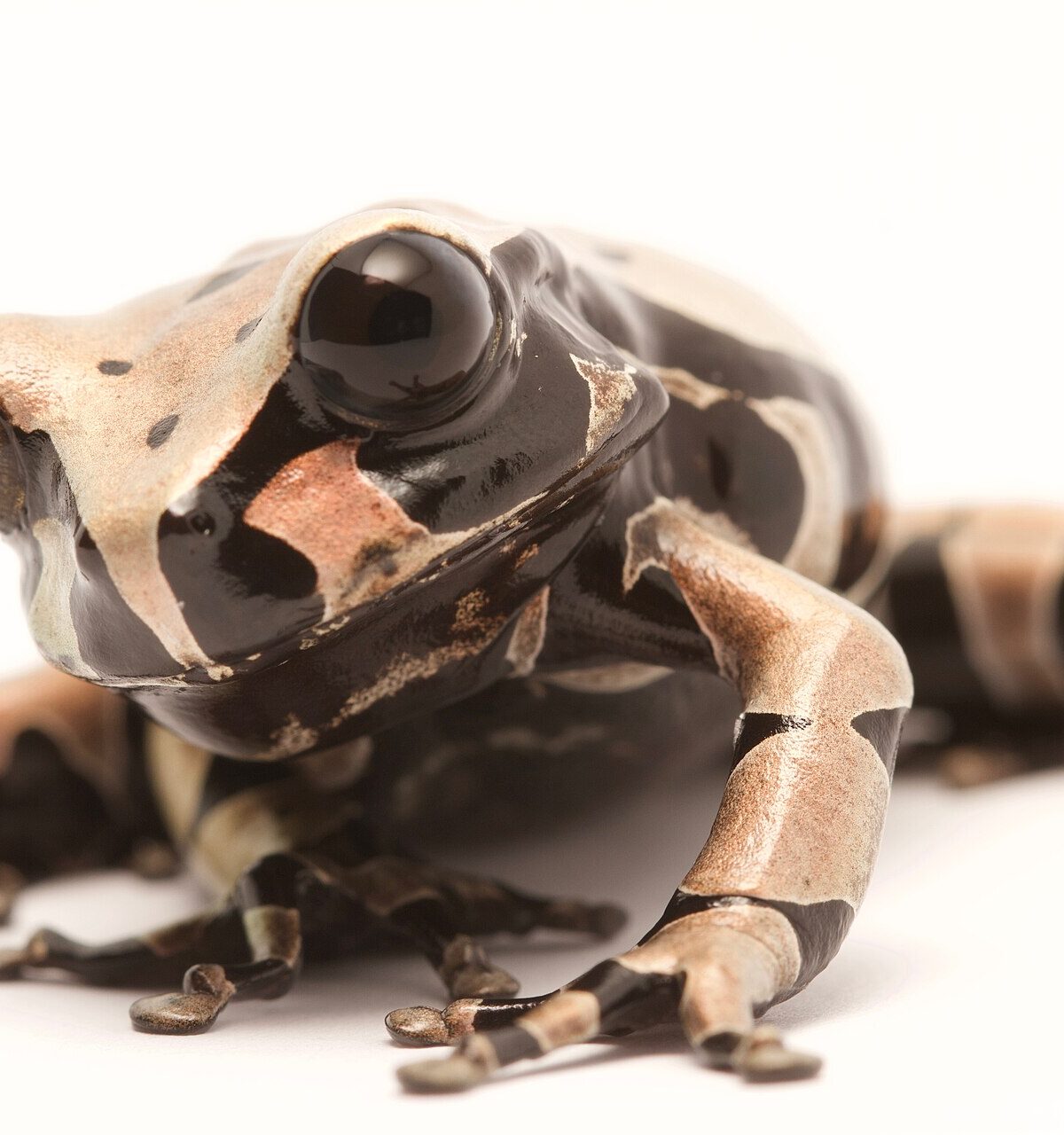
BUMBLEBEE TOAD
Anotheca spinosa
DESCRIPTION
Bumblebee Toad (Anotheca spinosa), also known as the Spiny Toad, is a striking amphibian characterized by its vibrant yellow and black coloration, which serves as a warning to potential predators. This species exhibits a unique spiny texture on its skin, which adds to its distinctive appearance. Bumblebee Toads are primarily arboreal, spending much of their time in trees and shrubs, and are known for their vocalizations during the breeding season, which attract mates and establish territory.
FUN FACTS
- Bumblebee Toads are named for their striking resemblance to the bumblebee, with their bold yellow and black pattern serving as a warning coloration to predators
- Interestingly, these toads have a unique reproductive strategy; males will call from elevated positions to attract females, and they often engage in competitive calling to establish dominance over territory.| The spiny texture of the Bumblebee Toad's skin not only adds to its unique appearance but may also provide a level of protection against predators
- This adaptation, combined with their bright coloration, makes them a fascinating subject of study in the field of amphibian ecology
QUICK INFO
Average Length5-7 cm
Diet TypeInsectivore
Social Structuresolitary, with males calling to attract females during the breeding season
Activity PatternNocturnal
Breeding SeasonWet season (May-October)
- Habitat
- These toads are typically found in tropical rainforests, where they inhabit the foliage and branches of trees. They prefer humid environments that provide ample cover and food sources.
- Biomes
- Tropical Rainforest
- Native Range
- Bumblebee Toads are native to the lowland rainforests of Central America, particularly in regions of Costa Rica and Panama.
- Continent
- North America, Central America
- Countries
- Costa Rica, Panama
- Diet
- Bumblebee Toads primarily feed on a variety of insects and other small invertebrates. Their diet is crucial for their growth and reproductive success.
- Diet Type
- Insectivore
- Favorite Food
- insects, small invertebrates
- Social Structure
- solitary, with males calling to attract females during the breeding season
- Activity Pattern
- Nocturnal
- Group Size
- 1-2
- Territorial
- 1
 VU
VU
 LC
LC
5-7 cm
Length
- Coloration
- vibrant yellow and black with spiny texture
- Sexual Dimorphism
- males are typically smaller and have more pronounced vocal sacs
- Breeding Season
- Wet season (May-October)
EN
Endangered
IUCN Red List Status
- Population Status
- The population status of Bumblebee Toads is currently not well-documented, but they are considered to be at risk due to habitat loss.
- Population Trend
- Decreasing
- Endangered
- 1
- Threats
- The main threats to Bumblebee Toads include habitat destruction due to deforestation and climate change. Additionally, pollution and the introduction of invasive species pose significant risks to their survival.
- Predators
- Birds, snakes, and larger amphibians are known to prey on Bumblebee Toads.
- Defense Mechanisms
- Their bright coloration serves as a warning to potential predators, and their spiny skin may deter some threats.
- Found in Zoos
- Uncommon