



BURCHELL'S ZEBRA
Equus quagga burchellii
DESCRIPTION
Burchell's Zebra, a subspecies of the plains zebra, is characterized by its distinctive black and white stripes that vary in pattern and width. These stripes serve as a form of camouflage and help to confuse predators. Social animals, they often form large herds and exhibit strong social bonds, playing a crucial role in their grazing ecosystem by maintaining the grasslands.
FUN FACTS
- Burchell's Zebras are known for their unique stripe patterns, which are as individual as human fingerprints
- Each zebra has a distinct pattern that can be used to identify them in the wild
- | These zebras are also known for their strong social bonds, often forming lifelong friendships with other members of their herd
- They engage in mutual grooming, which helps to strengthen these relationships and maintain social cohesion
QUICK INFO
Lifespan20-25 years in the wild, up to 30 in captivity
Average Weight200-350 kg
Average Length2.3-2.5 m
Diet TypeHerbivore
Social Structuregroup — they typically live in herds that can range from a few individuals to several dozen.
Activity PatternDiurnal
Breeding SeasonYear-round, with peaks during the rainy season
- Habitat
- Burchell's Zebra inhabits open grasslands and savannas, where they can find ample grazing opportunities. They prefer areas with access to water sources, which are essential for their survival.
- Biomes
- Savanna, Grassland
- Native Range
- Historically found across southern Africa, particularly in regions of Botswana, Namibia, and South Africa.
- Continent
- Africa
- Countries
- Botswana, Namibia, South Africa, Zimbabwe
- Diet
- Burchell's Zebra primarily feeds on grasses, leaves, and shoots. They are known to graze on a variety of grass species, which helps to maintain the health of their habitat.
- Diet Type
- Herbivore
- Favorite Food
- grasses
- Social Structure
- group — they typically live in herds that can range from a few individuals to several dozen.
- Activity Pattern
- Diurnal
- Group Size
- 5-30
- Territorial
- 0
 LC
LC
 LC
LC
 VU
VU
200-350 kg
Weight
2.3-2.5 m
Length
1.2 m at shoulder
Height (Shoulder)
- Coloration
- distinctive black and white stripes that vary in pattern
- Sexual Dimorphism
- males are generally larger than females
- Lifespan
- 20-25 years in the wild, up to 30 in captivity
- Gestation Period
- 12 months
- Offspring per Birth
- 1
- Sexual Maturity
- 3-4 years
- Breeding Season
- Year-round, with peaks during the rainy season
LC
Least Concern
IUCN Red List Status
- Population Status
- The population of Burchell's Zebra is currently stable, but they face threats from habitat loss and hunting.
- Wild Population Estimate
- approximately 25,000
- Population Trend
- Stable
- Endangered
- 0
- Threats
- Main threats include habitat loss due to agricultural expansion and poaching. Additionally, competition with livestock for grazing resources poses a significant challenge.
- Conservation Program
- Various conservation programs in southern Africa focus on habitat preservation and anti-poaching efforts.
- Predators
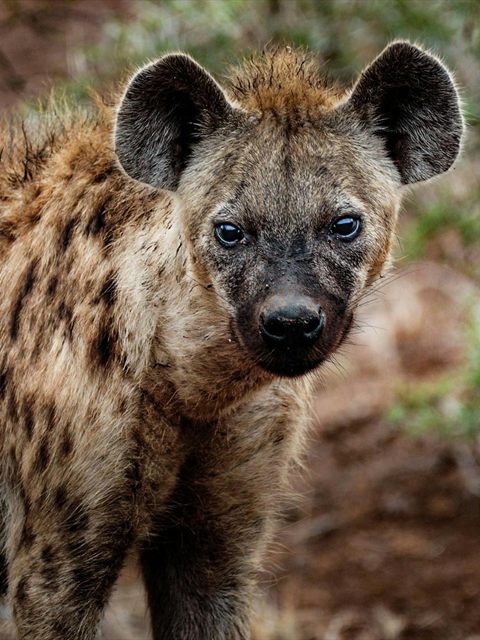
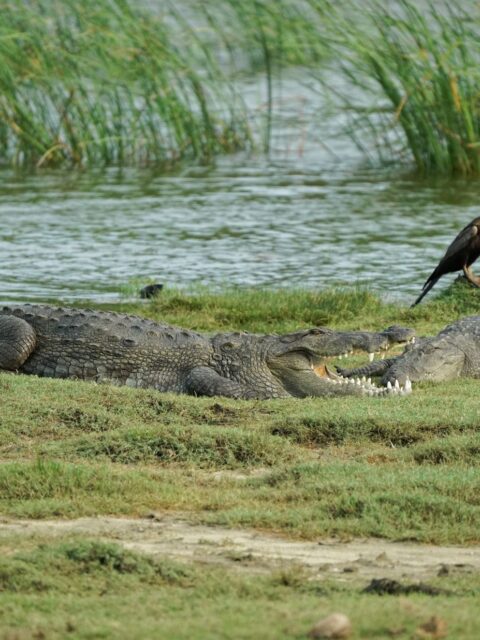
- Lions, hyenas, crocodiles, and wild dogs are known predators of Burchell's Zebra.
- Defense Mechanisms
- They rely on their speed and agility to escape predators, and their herd behavior helps to protect individuals from attacks.
- Compatible Animals
- Wildebeest, antelope species, giraffes
- Found in Zoos
- Common