


CALIFORNIA QUAIL
Callipepla californica
DESCRIPTION
The California Quail is a small, plump bird characterized by its distinctive topknot of feathers on the head and a rounded body. Males are typically more colorful, featuring a grayish-brown plumage with a striking black and white facial pattern, while females are more subdued in color. These birds are known for their social behavior, often seen in groups, and they prefer to run rather than fly when threatened, making them a common sight in their native habitats.
FUN FACTS
- California Quail are known for their unique mating rituals, which include elaborate displays and vocalizations that help attract mates
- They are also capable of flying short distances, but they prefer to stay on the ground, where they can forage for food and evade predators more effectively.| These birds are often seen in groups, and their social structure is fascinating; they have a strong sense of community and will often help each other in raising young, providing protection and food for the chicks
QUICK INFO
Lifespan2-5 years in the wild, up to 10 years in captivity
Average Weight120-200 g
Average Length25-30 cm
Diet TypeOmnivore
Social StructureThey are typically found in groups, known as coveys, which can consist of 5-30 individuals.
Activity PatternDiurnal
Breeding SeasonSpring (March-June)
- Habitat
- California Quail inhabit a variety of environments, including grasslands, scrublands, and open woodlands. They prefer areas with dense cover for nesting and protection from predators.
- Biomes
- Temperate Forest, Grassland, Scrubland
- Native Range
- The native range of the California Quail extends from the western United States to parts of Mexico.
- Continent
- North America
- Countries
- United States, Mexico
- Diet
- California Quail primarily feed on seeds, fruits, and leaves, but they also consume insects and small invertebrates. Their diet varies seasonally, reflecting the availability of food sources.
- Diet Type
- Omnivore
- Favorite Food
- seeds, fruits, leaves
- Social Structure
- They are typically found in groups, known as coveys, which can consist of 5-30 individuals.
- Activity Pattern
- Diurnal
- Group Size
- 5-30
- Territorial
- 0
 LC
LC
 LC
LC
 LC
LC
120-200 g
Weight
25-30 cm
Length
- Coloration
- Males have a grayish-brown body with a black and white face, while females are more uniformly brown.
- Sexual Dimorphism
- Males are more colorful and have a distinctive facial pattern compared to females.
- Lifespan
- 2-5 years in the wild, up to 10 years in captivity
- Offspring per Birth
- 8-12 eggs
- Sexual Maturity
- 6-8 months
- Breeding Season
- Spring (March-June)
LC
Least Concern
IUCN Red List Status
- Population Status
- The California Quail population is generally stable, though local declines may occur due to habitat loss.
- Wild Population Estimate
- 1,000,000+
- Population Trend
- Stable
- Endangered
- 0
- Threats
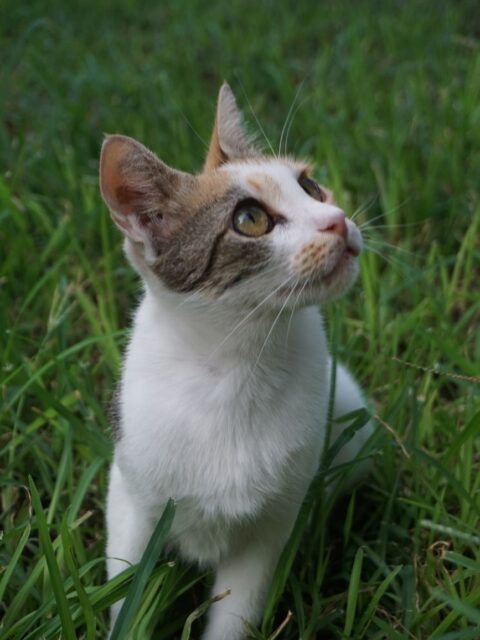
- Main threats include habitat destruction due to urban development and agriculture, as well as predation by domestic cats and other introduced species.
- Predators
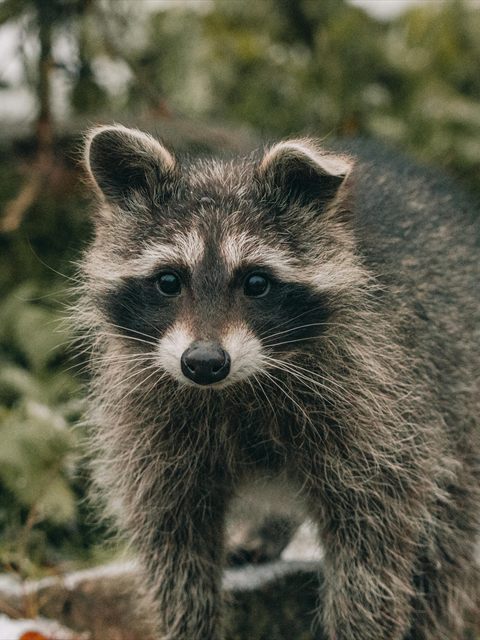
- Red-tailed Hawks, Cooper's Hawks, raccoons, domestic cats, foxes, coyotes
- Defense Mechanisms
- California Quail rely on their ability to run quickly and hide in dense cover to evade predators.
- Found in Zoos
- Common