


CALIFORNIA TIGER SALAMANDER
Ambystoma californiense
DESCRIPTION
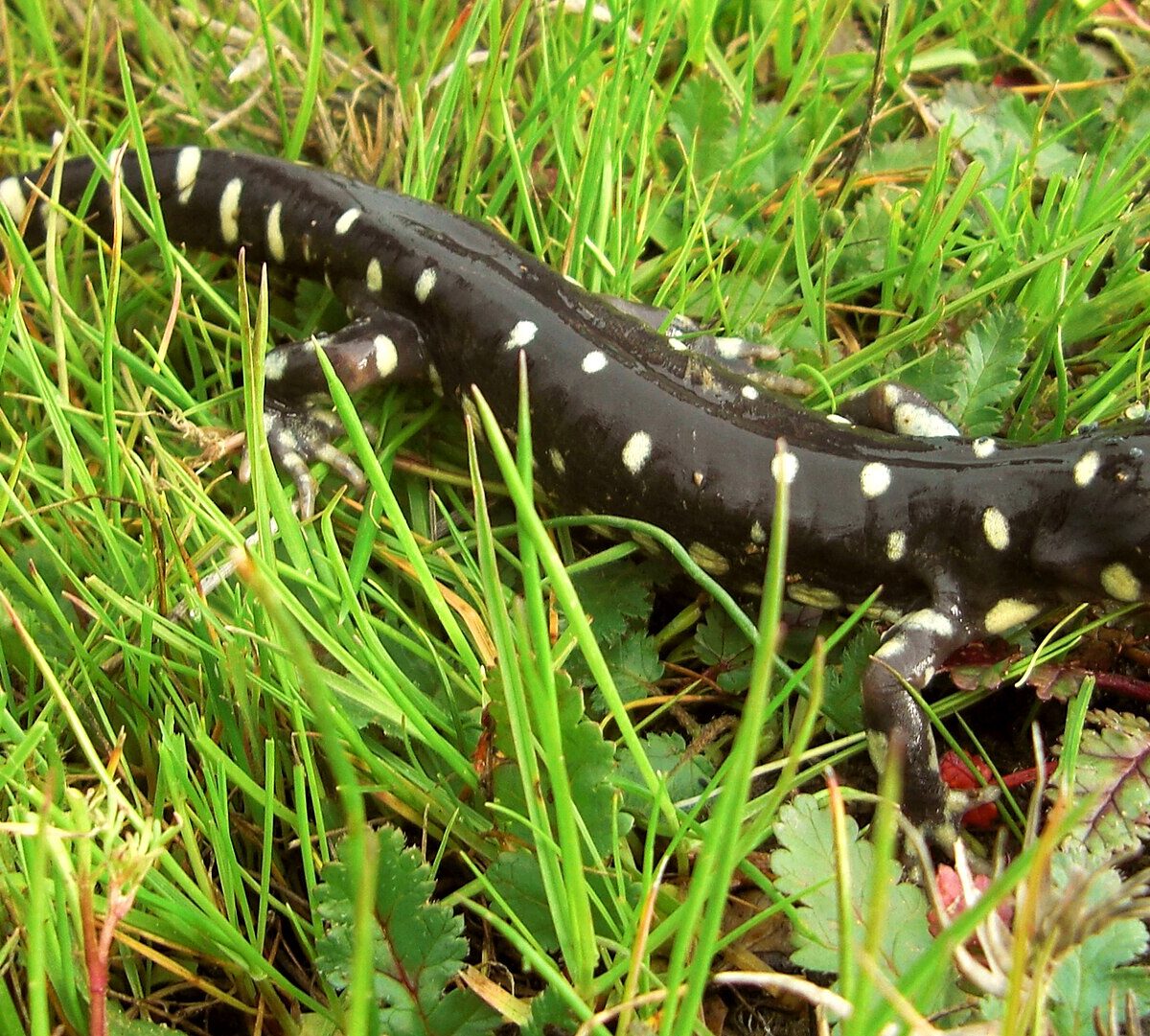
California Tiger Salamander (Ambystoma californiense) is a striking amphibian known for its bold yellow or white spots against a dark background. This species is primarily nocturnal, emerging from underground burrows during the rainy season to breed in seasonal ponds. They are adapted to a variety of habitats, including grasslands and low-elevation regions, where they rely on specific environmental conditions for their lifecycle.
FUN FACTS
- California Tiger Salamanders have a unique breeding strategy, relying on temporary ponds that fill with rainwater to lay their eggs
- This adaptation allows them to avoid competition with other amphibians that breed in permanent water sources
- | These salamanders are also known for their striking appearance, which has made them a subject of interest for both researchers and amphibian enthusiasts
- Their vibrant coloration serves as a warning to potential predators about their toxicity
QUICK INFO
Lifespan10-15 years in the wild
Average Weight50-100 g
Average Length15-25 cm
Diet TypeInsectivore
Social Structuresolitary
Activity PatternNocturnal
Breeding SeasonWinter to early spring (December-April)
- Habitat
- These salamanders inhabit grasslands and low-elevation regions, often utilizing burrows created by other animals for shelter. They require seasonal ponds for breeding, which are crucial for their reproductive cycle.
- Biomes
- Grassland, Temperate Forest
- Native Range
- The native range of the California Tiger Salamander includes the Central Valley and surrounding foothills of California.
- Continent
- North America
- Countries
- United States
- Diet
- California Tiger Salamanders primarily consume invertebrates, including insects and worms. They are opportunistic feeders and will eat whatever small prey is available in their environment.
- Diet Type
- Insectivore
- Favorite Food
- insects, worms
- Social Structure
- solitary
- Activity Pattern
- Nocturnal
- Group Size
- 1-2
- Territorial
- 0
 VU
VU
 LC
LC
 LC
LC

50-100 g
Weight
15-25 cm
Length
- Coloration
- dark background with bright yellow or white spots
- Lifespan
- 10-15 years in the wild
- Offspring per Birth
- 50-200
- Sexual Maturity
- 2-4 years
- Breeding Season
- Winter to early spring (December-April)
EN
Endangered
IUCN Red List Status
- Population Status
- The population of California Tiger Salamanders is currently declining due to habitat loss and fragmentation.
- Wild Population Estimate
- unknown
- Population Trend
- Decreasing
- Endangered
- 1
- Threats
- Main threats include habitat destruction due to urban development, agriculture, and climate change. Additionally, road mortality and predation by invasive species pose significant risks to their survival.
- Predators
- birds, snakes, raccoons, and other small mammals
- Defense Mechanisms
- They can secrete toxins through their skin as a defense mechanism against predators.
- Found in Zoos
- Uncommon