


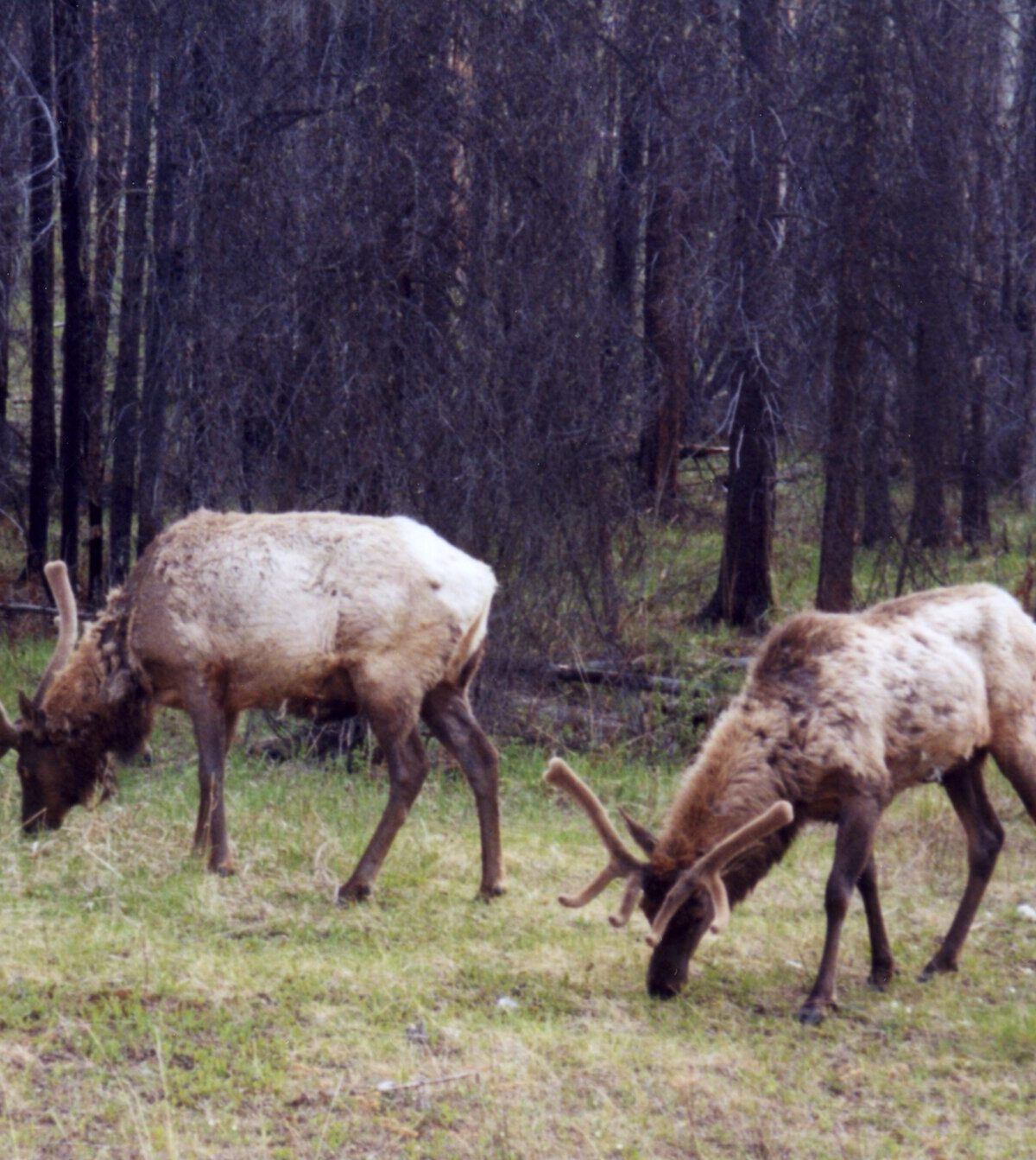
CANADIAN ELK
Cervus canadensis manitobensis
DESCRIPTION
Canadian elk (Cervus canadensis manitobensis), also known as wapiti, is a subspecies of elk characterized by its large size and impressive antlers, which can grow up to 1.2 meters in length. These animals exhibit a tawny brown coloration with lighter patches on their rumps and necks, making them visually striking in their natural habitat. They are social creatures, often found in herds, and play a significant role in their ecosystems by grazing on vegetation, which helps maintain the health of their habitats.
FUN FACTS
- Canadian elk are known for their impressive mating displays, where males engage in vocalizations called bugling to attract females and establish dominance over other males
- These vocalizations can be heard over long distances and are a key part of their breeding behavior
- | During the winter months, Canadian elk can be seen in large herds, which helps them stay warm and protect each other from predators
- Their social structure allows them to work together to find food and navigate their environment more effectively
QUICK INFO
Lifespan10-15 years in the wild, up to 20 in captivity
Average Weight200-400 kg
Average Length2.4-3.0 m
Diet TypeHerbivore
Social Structuregroup — they typically form herds, especially during the breeding season and in winter.
Activity PatternDiurnal
Breeding SeasonFall (September-November)
- Habitat
- They inhabit a variety of environments, including forests, grasslands, and mountainous regions, often preferring areas with abundant vegetation. Their habitat choice is influenced by the availability of food and water sources.
- Biomes
- Temperate Forest, Grassland, Mountain
- Native Range
- Canadian elk are native to the central and western regions of North America, particularly in Canada and parts of the northern United States.
- Continent
- North America
- Countries
- Canada, United States
- Diet
- Canadian elk primarily feed on grasses, leaves, and shrubs, adapting their diet based on seasonal availability.
- Diet Type
- Herbivore
- Favorite Food
- grasses, leaves, shrubs
- Social Structure
- group — they typically form herds, especially during the breeding season and in winter.
- Activity Pattern
- Diurnal
- Group Size
- 10-50
- Territorial
- 0
 LC
LC
 LC
LC
LC
LC
200-400 kg
Weight
2.4-3.0 m
Length
1.2-1.5 m at shoulder
Height (Shoulder)
- Coloration
- tawny brown with lighter patches
- Sexual Dimorphism
- males are larger and have antlers, while females are smaller and do not have antlers
- Lifespan
- 10-15 years in the wild, up to 20 in captivity
- Gestation Period
- 240 days
- Offspring per Birth
- 1
- Sexual Maturity
- 1-2 years
- Breeding Season
- Fall (September-November)
LC
Least Concern
IUCN Red List Status
- Population Status
- The population of Canadian elk is currently stable, with healthy numbers in many regions.
- Wild Population Estimate
- 100,000-150,000
- Population Trend
- Stable
- Endangered
- 0
- Threats
- Main threats include habitat loss due to urban development and agriculture, as well as hunting pressures. Climate change also poses a long-term risk to their habitats and food sources.
- Predators
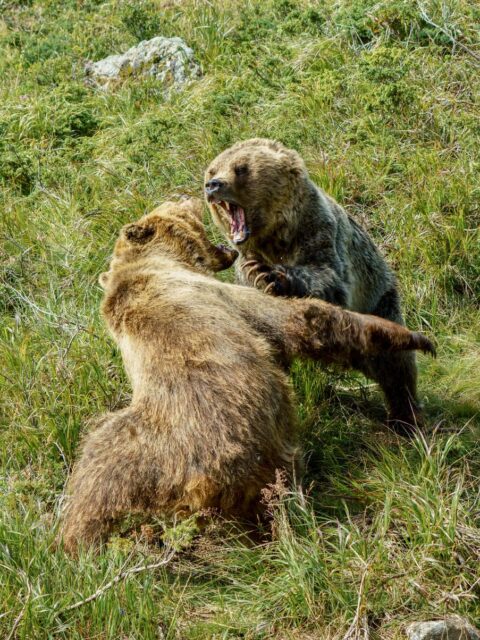
- wolves, bears, mountain lions, humans
- Defense Mechanisms
- They rely on their size and speed to escape predators, and can also use their antlers for defense when threatened.
- Compatible Animals
- white-tailed deer, bison
- Found in Zoos
- Common