


CANADIAN MUSKOX
Ovibos moschatus moschatus
DESCRIPTION
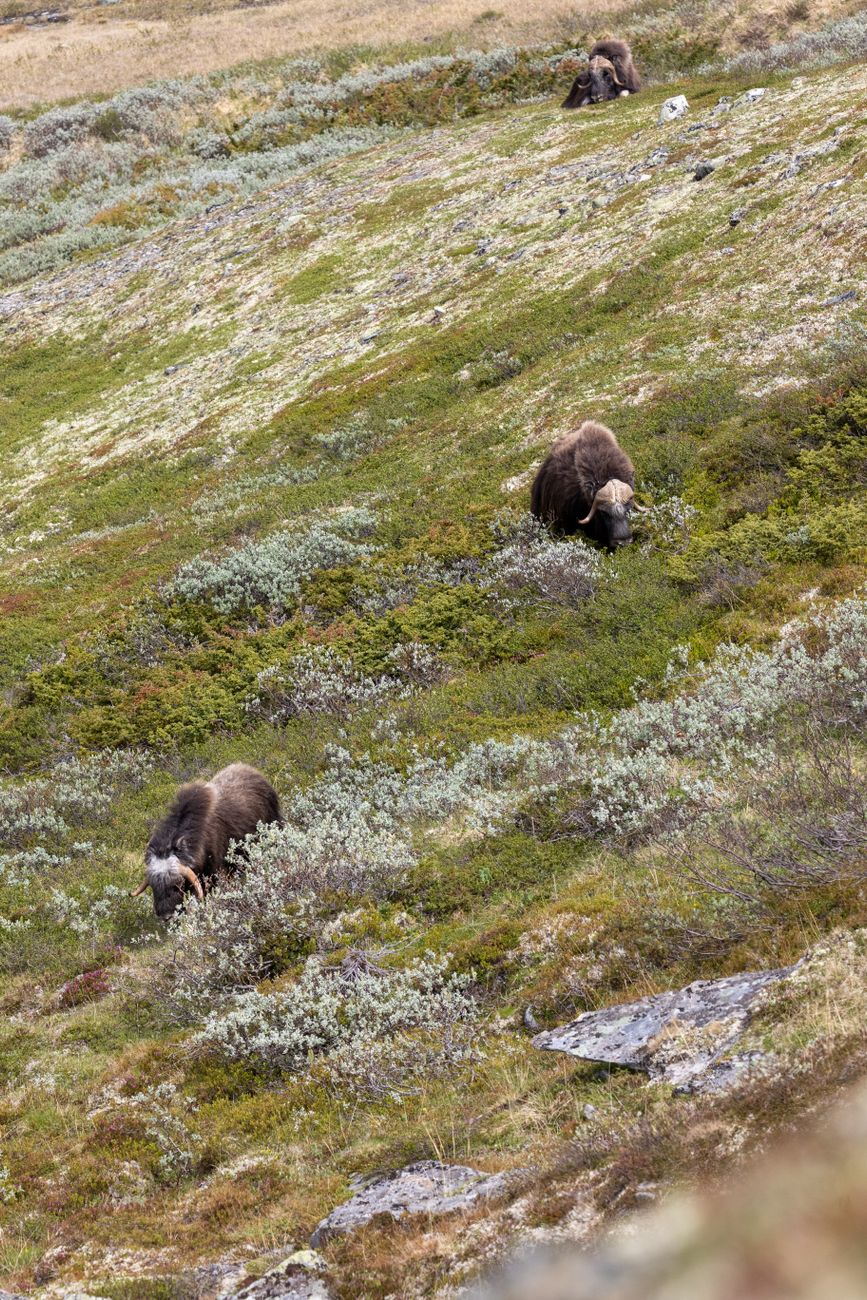
Canadian muskox (Ovibos moschatus moschatus) is a large, shaggy herbivore known for its thick fur and distinctive curved horns. These animals are well-adapted to cold environments, with a dense undercoat called qiviut that provides insulation against harsh Arctic climates. Socially, they often form groups for protection against predators, displaying strong maternal care and herd dynamics.
FUN FACTS
- Muskoxen are known for their incredible thick fur, which can be up to 30 cm long, providing insulation against extreme cold
- Their undercoat, qiviut, is one of the warmest fibers in the world and is highly valued for its softness and warmth
- | Muskoxen can run at speeds of up to 40 km/h despite their large size, allowing them to escape from predators when necessary
- They also have a unique social structure, often forming strong bonds within their herds, which helps them survive in harsh environments
QUICK INFO
Lifespan15-20 years in wild, up to 30 in captivity
Average Weight180-400 kg
Average Length1.8-2.5 m
Diet TypeHerbivore
Social Structuregroup — they typically live in herds that can range from a few individuals to over twenty.
Activity PatternDiurnal
Breeding SeasonFall (October-November)
- Habitat
- They inhabit tundra and Arctic regions, often found in areas with low vegetation and snow cover. Their habitat is characterized by extreme cold and seasonal changes.
- Biomes
- Tundra, Arctic
- Native Range
- Canadian muskox is native to the Arctic regions of Canada, particularly in the northern territories.
- Continent
- North America
- Countries
- Canada, Greenland
- Diet
- Canadian muskox primarily feeds on grasses, mosses, and lichens, which they graze on during the summer months. In winter, they rely on their ability to dig through snow to access food.
- Diet Type
- Herbivore
- Favorite Food
- grasses, mosses, lichens
- Social Structure
- group — they typically live in herds that can range from a few individuals to over twenty.
- Activity Pattern
- Diurnal
- Group Size
- 5-20
- Territorial
- 0
 LC
LC
 LC
LC
180-400 kg
Weight
1.8-2.5 m
Length
1.2 m at shoulder
Height (Shoulder)
- Coloration
- dark brown to light tan, with long, shaggy fur
- Sexual Dimorphism
- males are generally larger and have more prominent horns than females
- Lifespan
- 15-20 years in wild, up to 30 in captivity
- Gestation Period
- 135 days
- Offspring per Birth
- 1
- Sexual Maturity
- 3-4 years
- Breeding Season
- Fall (October-November)
LC
Least Concern
IUCN Red List Status
- Population Status
- The population of Canadian muskox is currently stable, with successful conservation efforts in place.
- Wild Population Estimate
- approximately 80,000
- Population Trend
- Stable
- Endangered
- 0
- Threats
- Main threats include climate change, which affects their habitat, and hunting pressures. Additionally, competition with domestic livestock can impact their food sources.
- Conservation Program
- Successful reintroduction programs in various regions of Canada have helped stabilize populations.
- Predators
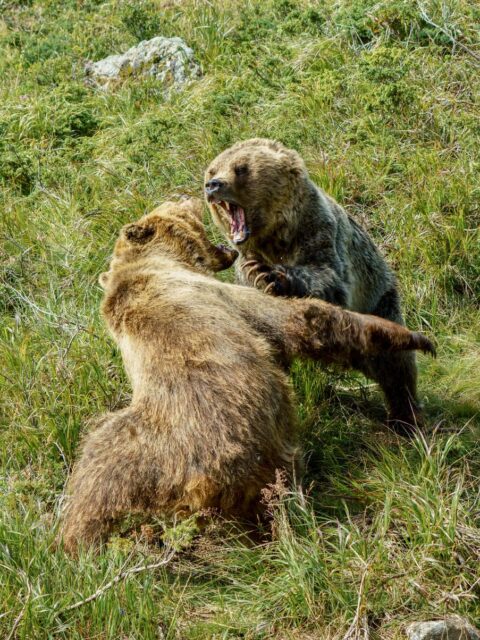
- Wolves, bears, and humans are the primary predators of Canadian muskox.
- Defense Mechanisms
- They form defensive circles to protect young from predators and can charge at threats if necessary.
- Compatible Animals
- none
- Found in Zoos
- Uncommon