


CANARY
Serinus canaria
DESCRIPTION
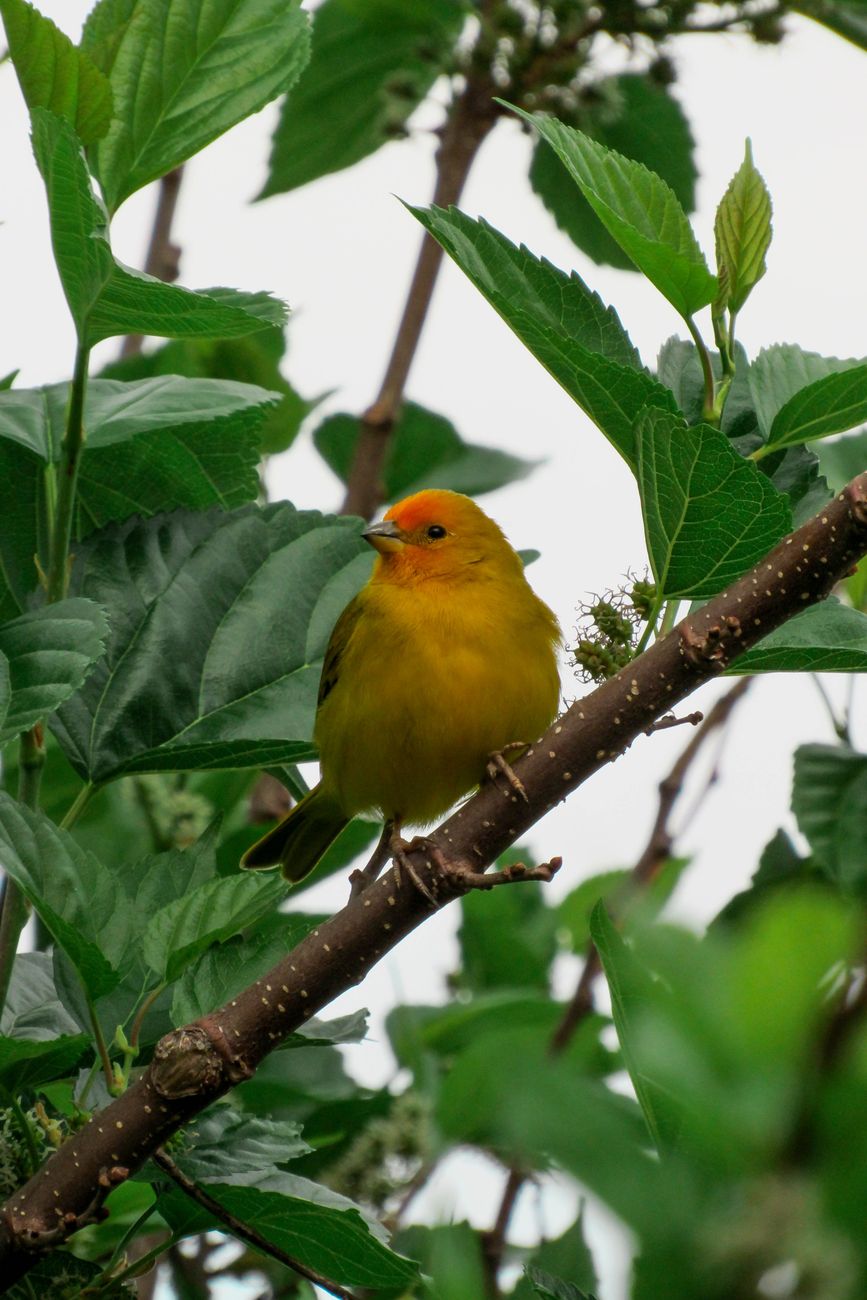
Canary (Serinus canaria) is commonly known as the Atlantic Canary and the Domestic Canary. This small songbird is characterized by its vibrant yellow plumage, although color variations can include green, white, and orange due to selective breeding. Canaries are known for their melodious singing, which is often used in aviculture, and they exhibit a lively and social behavior, often seen flitting about in their habitats.
FUN FACTS
- Canaries were originally bred for their singing ability, and some breeds are specifically developed for their song quality
- They have a unique ability to learn and mimic sounds, making them popular pets
- | The name 'Canary' is derived from the Canary Islands, where the species was first discovered
- Interestingly, the islands were named after the Latin word 'canis,' meaning dog, due to the large dogs that were found there
QUICK INFO
Lifespan10-15 years in captivity
Average Weight15-20 g
Average Length12-13 cm
Diet TypeGranivore
Social StructureCanaries are generally social and can be found in pairs or small groups, especially during the breeding season.
Activity PatternDiurnal
Breeding SeasonSpring (March-June)
- Habitat
- Canaries are typically found in a variety of habitats, including grasslands, shrublands, and forests. They prefer areas with abundant vegetation for foraging and nesting.
- Biomes
- Temperate Forest, Grassland
- Native Range
- The native range of the Canary includes the Canary Islands, Azores, and Madeira.
- Continent
- Europe, Africa
- Countries
- Spain, Portugal, Morocco
- Diet
- Canaries primarily feed on seeds, fruits, and vegetables. They have a particular fondness for small seeds like canary seed, millet, and dandelion seeds.
- Diet Type
- Granivore
- Favorite Food
- canary seed, millet
- Social Structure
- Canaries are generally social and can be found in pairs or small groups, especially during the breeding season.
- Activity Pattern
- Diurnal
- Group Size
- 2-10
- Territorial
- 1
 CR
CR
15-20 g
Weight
12-13 cm
Length
- Coloration
- primarily bright yellow with variations in color due to breeding
- Sexual Dimorphism
- Males are typically brighter and more colorful than females.
- Lifespan
- 10-15 years in captivity
- Offspring per Birth
- 3-5
- Sexual Maturity
- 6 months
- Breeding Season
- Spring (March-June)
LC
Least Concern
IUCN Red List Status
- Population Status
- The population of wild canaries is stable, but domestic canaries are bred in large numbers.
- Wild Population Estimate
- Unknown
- Population Trend
- Stable
- Endangered
- 0
- Threats
- Habitat loss and the pet trade are the main threats to wild canaries. However, they are not currently considered endangered.
- Predators
- Cats, hawks, and snakes are known predators of canaries.
- Defense Mechanisms
- Canaries use their agility and speed to evade predators, often taking flight to escape.
- Compatible Animals
- finches, budgerigars
- Found in Zoos
- Common