


CANVASBACK
DESCRIPTION
The Canvasback is a large diving duck known for its distinctive sloping profile and striking coloration. Males have a reddish-brown head, black chest, and grayish body, while females are mottled brown. They are known for their strong swimming abilities and often dive to forage for food underwater.
FUN FACTS
- Canvasbacks are known for their unique courtship displays, where males perform elaborate head-bobbing and whistling calls to attract females
- They are also one of the fastest diving ducks, capable of reaching speeds of up to 70 miles per hour when taking off from water.|The name 'Canvasback' comes from the distinctive canvas-like texture of their back feathers, which is particularly noticeable in males
- These ducks are also highly sought after by hunters due to their delicious meat and challenging hunting conditions
QUICK INFO
Lifespan10-15 years in the wild
Average Weight1-1.5 kg
Average Length56-76 cm
Diet TypeHerbivore
Social Structurepair, often seen in small groups during migration
Activity PatternDiurnal
Breeding SeasonSpring (April-June)
- Habitat
- Canvasbacks inhabit shallow lakes, marshes, and wetlands where they can find abundant aquatic vegetation. They prefer areas with open water and dense plant growth for foraging.
- Biomes
- Wetlands, Freshwater
- Native Range
- Canvasbacks are native to North America, breeding in the northern United States and Canada and migrating to the southern United States during winter.
- Continent
- North America
- Countries
- United States, Canada
- Diet
- Canvasbacks primarily feed on aquatic plants, seeds, and tubers, particularly wild celery and other submerged vegetation. They may also consume small invertebrates occasionally.
- Diet Type
- Herbivore
- Favorite Food
- wild celery, aquatic plants
- Social Structure
- pair, often seen in small groups during migration
- Activity Pattern
- Diurnal
- Group Size
- 2-20
- Territorial
- 1

 LC
LC
 VU
VU
 LC
LC
1-1.5 kg
Weight
56-76 cm
Length
- Coloration
- males have a reddish-brown head and black chest, females are mottled brown
- Sexual Dimorphism
- males are more brightly colored than females
- Lifespan
- 10-15 years in the wild
- Offspring per Birth
- 6-10
- Sexual Maturity
- 1 year
- Breeding Season
- Spring (April-June)
LC
Least Concern
IUCN Red List Status
- Population Status
- The Canvasback population is currently stable, but habitat loss poses a threat.
- Wild Population Estimate
- 200,000-300,000
- Population Trend
- Stable
- Endangered
- 0
- Threats
- Main threats include habitat destruction due to wetland drainage and pollution. Climate change also poses a risk to their breeding habitats.
- Predators
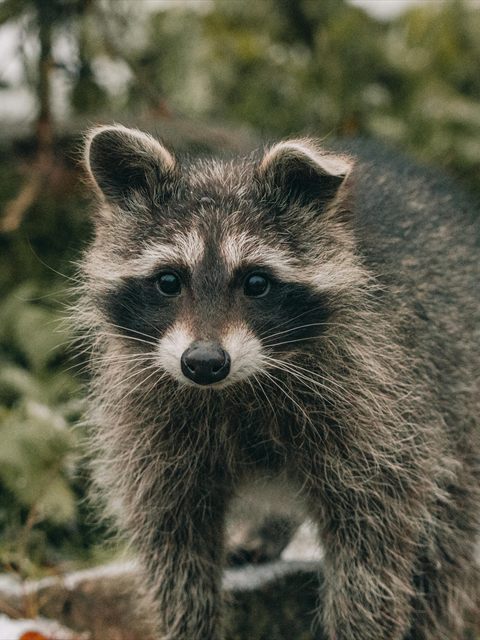
- foxes, raccoons, birds of prey, and large fish
- Defense Mechanisms
- Canvasbacks rely on their strong swimming abilities and diving skills to evade predators.
- Compatible Animals
- other waterfowl, such as mallards and pintails
- Found in Zoos
- Uncommon