



CAPE BUFFALO
DESCRIPTION
The Cape Buffalo, also known as the African Buffalo, is a large and robust bovine species characterized by its thickset body and massive horns that curve outward and upward. They have a dark brown to black coloration, with a lighter patch on the face and a sparse covering of hair. Cape Buffalos are known for their strong social bonds and can often be seen in large herds, which provide protection against predators.
FUN FACTS
- Cape Buffalos are known for their unpredictable nature and can be extremely dangerous when threatened, often charging at humans or vehicles
- They have a unique social structure where older females lead the herd, and they are known to exhibit strong maternal care for their young
- | Despite their size and strength, Cape Buffalos are often preyed upon by lions, and herds will work together to fend off attacks, showcasing their remarkable social behavior and teamwork
QUICK INFO
Lifespan15-25 years in the wild, up to 30 in captivity
Average Weight500-900 kg
Average Length2.5-3.4 m
Diet TypeHerbivore
Social Structuregroup — they live in herds that provide safety in numbers and social interaction.
Activity PatternDiurnal
Breeding SeasonYear-round, with peaks depending on local conditions
- Habitat
- Cape Buffalos inhabit a variety of environments, including savannas, grasslands, and wetlands. They prefer areas with abundant water sources and dense vegetation for grazing.
- Biomes
- Savanna, Grassland, Wetland
- Native Range
- Cape Buffalos are native to sub-Saharan Africa, ranging from West Africa to East Africa and down to Southern Africa.
- Continent
- Africa
- Countries
- South Africa, Botswana, Zimbabwe, Tanzania, Kenya, Uganda, Namibia, Democratic Republic of the Congo
- Diet
- Cape Buffalos are herbivores that primarily graze on grasses, but they also consume leaves, shrubs, and other vegetation. They are known to be selective feeders, often choosing the most nutritious parts of plants.
- Diet Type
- Herbivore
- Favorite Food
- grasses, leaves, shrubs
- Social Structure
- group — they live in herds that provide safety in numbers and social interaction.
- Activity Pattern
- Diurnal
- Group Size
- 10-100
- Territorial
- 0
 LC
LC
 EN
EN
 LC
LC
 VU
VU
500-900 kg
Weight
2.5-3.4 m
Length
1.5 m at shoulder
Height (Shoulder)
- Coloration
- dark brown to black with lighter facial patches
- Sexual Dimorphism
- males are larger and have more prominent horns than females
- Lifespan
- 15-25 years in the wild, up to 30 in captivity
- Gestation Period
- 330 days
- Offspring per Birth
- 1
- Sexual Maturity
- 3-4 years
- Breeding Season
- Year-round, with peaks depending on local conditions
LC
Least Concern
IUCN Red List Status
- Population Status
- The population of Cape Buffalos is currently stable in many areas, although they face threats in certain regions.
- Wild Population Estimate
- 900,000-1,000,000
- Population Trend
- Stable
- Endangered
- 0
- Threats
- Main threats to Cape Buffalos include habitat loss due to agriculture and human encroachment, as well as poaching for their meat and horns. They are also susceptible to diseases such as bovine tuberculosis.
- Conservation Program
- Various conservation programs exist to protect Cape Buffalos, including habitat preservation and anti-poaching initiatives.
- Predators
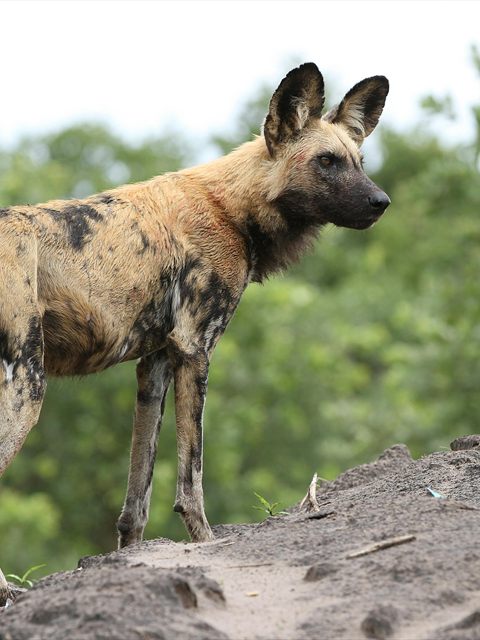
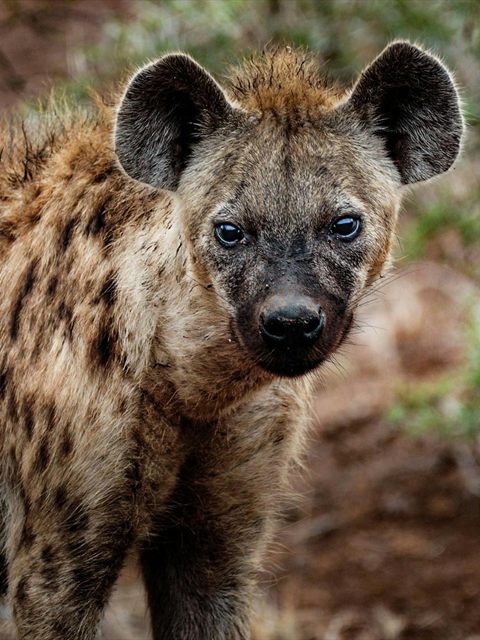
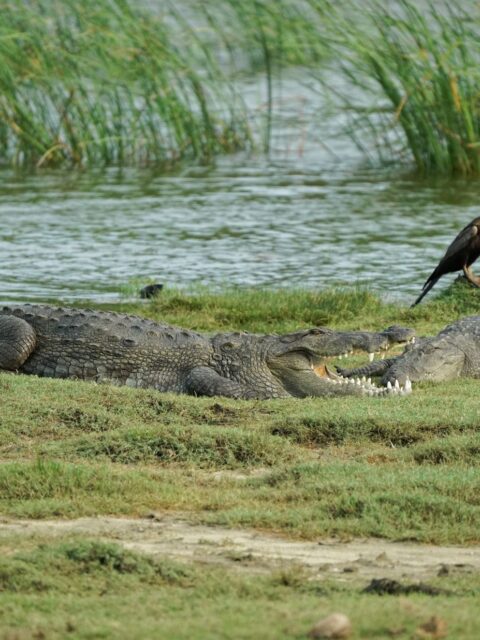
- Lions, African wild dogs, hyenas, crocodiles
- Defense Mechanisms
- Cape Buffalos have strong herd instincts and will band together to defend against predators. They are also capable of delivering powerful charges when threatened.
- Compatible Animals
- Zebras, antelopes, various bird species
- Found in Zoos
- Common