



CAPE CRESTED PORCUPINE
Hystrix africaeaustralis
DESCRIPTION
The Cape Crested Porcupine is a large rodent known for its distinctive quills that can be raised to form a crest along its back. It has a robust body, short legs, and a long, spiny tail that aids in balance. This nocturnal creature is primarily solitary, foraging for food at night and using its strong front teeth to dig for roots and tubers.
FUN FACTS
- Cape Crested Porcupines are known for their impressive quills, which can be up to 30 cm long and are used for defense against predators
- Interestingly, these quills are not poisonous, but they can cause significant injury if a predator attempts to attack
- | These porcupines are excellent diggers and can create extensive burrow systems that serve as homes and protection from predators
- Their burrows can be quite complex, with multiple entrances and chambers, showcasing their adaptability to different environments
QUICK INFO
Lifespan10-15 years in the wild, up to 20 years in captivi
Average Weight10-20 kg
Average Length60-90 cm
Diet TypeHerbivore
Social Structuresolitary, occasionally seen in pairs during breeding
Activity PatternNocturnal
Breeding SeasonYear-round, with peaks in spring and summer
- Habitat
- This species inhabits a range of environments, including savannas, grasslands, and rocky areas. They often create burrows in the ground for shelter and nesting.
- Biomes
- Savanna, Grassland, Scrubland
- Native Range
- The Cape Crested Porcupine is native to southern Africa, particularly in countries like South Africa, Namibia, Botswana, and Zimbabwe.
- Continent
- Africa
- Countries
- South Africa, Namibia, Botswana, Zimbabwe
- Diet
- The Cape Crested Porcupine primarily feeds on a variety of plant materials, including roots, tubers, bark, and fruits. It is known to consume agricultural crops, which can lead to conflicts with farmers.
- Diet Type
- Herbivore
- Favorite Food
- roots, tubers, and fruits
- Social Structure
- solitary, occasionally seen in pairs during breeding
- Activity Pattern
- Nocturnal
- Group Size
- 1-2
- Territorial
- 1
 LC
LC
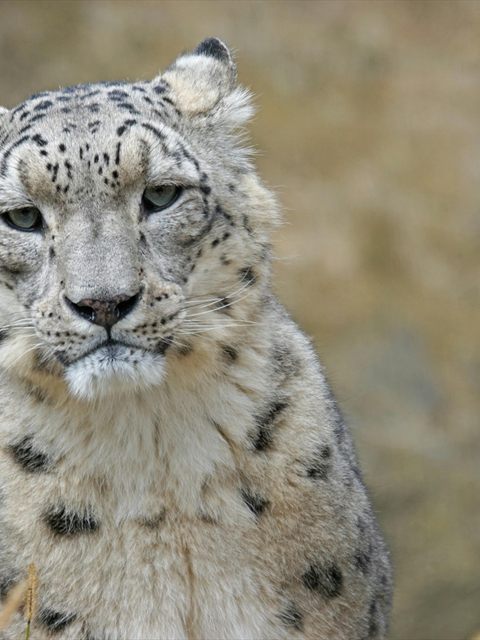 VU
VU
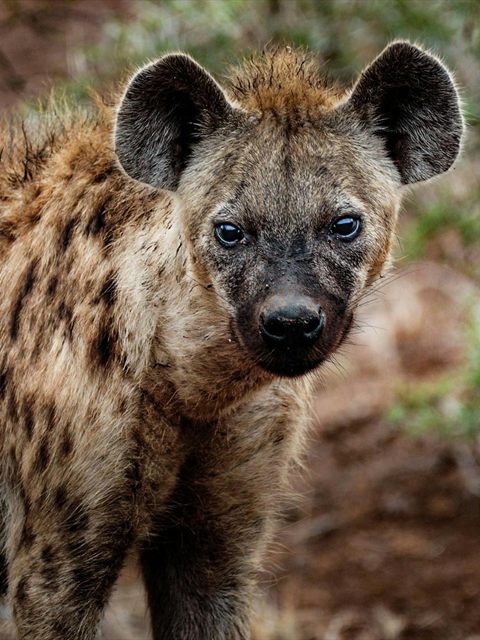 LC
LC
10-20 kg
Weight
60-90 cm
Length
- Coloration
- The fur is typically dark brown to black, with lighter-colored quills that can appear spiky.
- Sexual Dimorphism
- males are generally larger than females
- Lifespan
- 10-15 years in the wild, up to 20 years in captivi
- Gestation Period
- 90-112 days
- Offspring per Birth
- 1-4
- Sexual Maturity
- 1-2 years
- Breeding Season
- Year-round, with peaks in spring and summer
LC
Least Concern
IUCN Red List Status
- Population Status
- The population is currently stable, but local declines may occur due to habitat loss and hunting.
- Wild Population Estimate
- Unknown
- Population Trend
- Stable
- Endangered
- 0
- Threats
- Main threats include habitat destruction due to agriculture and urbanization, as well as hunting for meat and quills. These factors can lead to localized declines in their populations.
- Predators
- Lions, leopards, hyenas, and large birds of prey are known to prey on Cape Crested Porcupines.
- Defense Mechanisms
- They have sharp quills that can be raised to deter predators, and they can also make loud hissing sounds to warn off threats.
- Found in Zoos
- Uncommon