


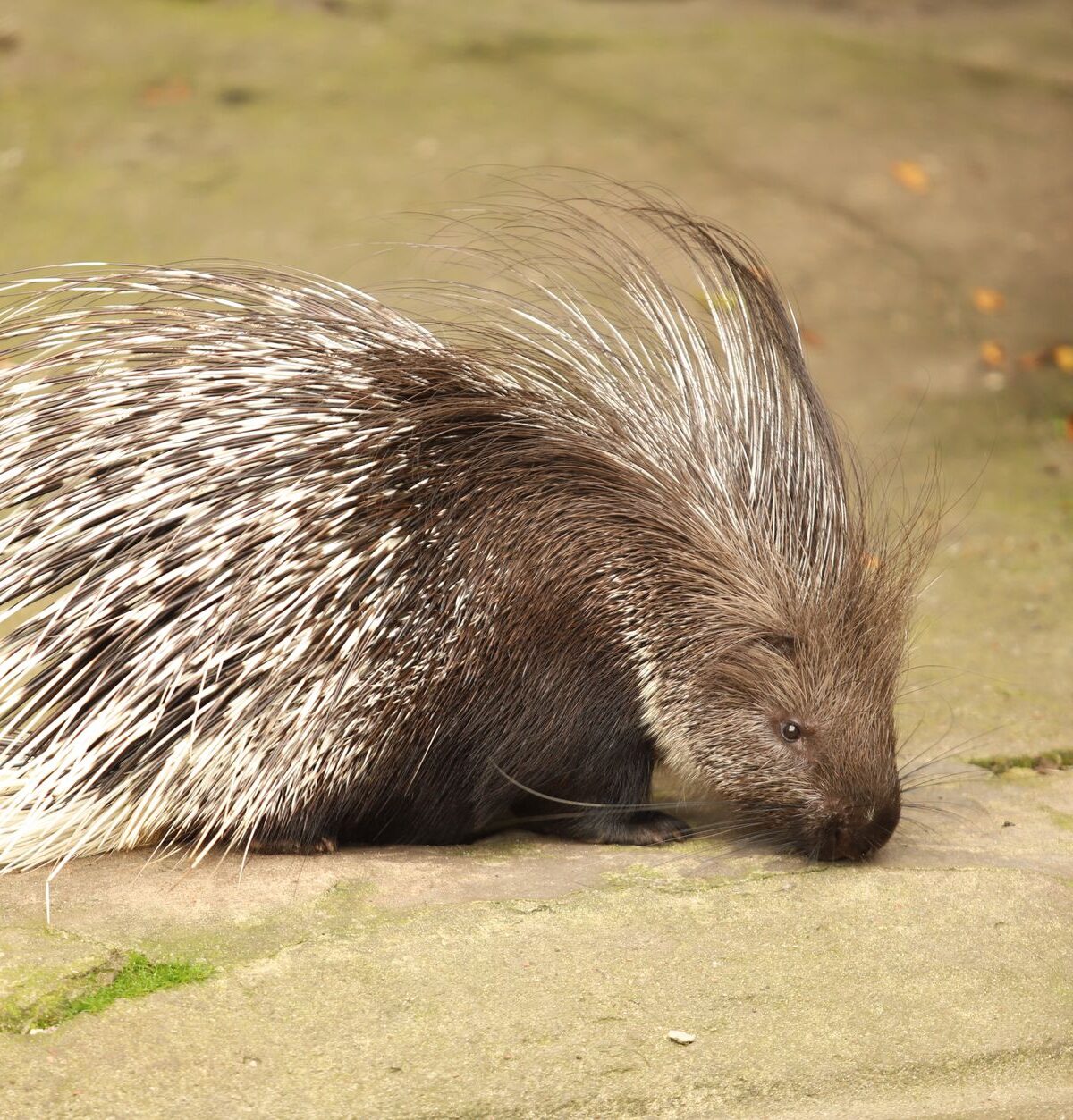
CAPE PORCUPINE
Hystrix africaeaustralis
DESCRIPTION
Also called the African Porcupine, Cape Porcupine is a large rodent known for its distinctive quills that serve as a defense mechanism against predators. These nocturnal creatures are primarily solitary, although they may be seen in pairs or small family groups. They are primarily herbivorous, feeding on a variety of plant materials, and are known for their burrowing behavior, which helps them create shelters in their natural habitats.
FUN FACTS
- Cape Porcupines are known for their impressive ability to dig, creating extensive burrow systems that can be several meters deep
- These burrows not only provide shelter but also serve as a refuge from predators
- | Interestingly, Cape Porcupines have a unique social structure where they communicate through a variety of vocalizations, including grunts and hisses, to establish territory and warn off intruders
- Their quills can also rattle, adding to their vocal repertoire
QUICK INFO
Lifespan10-15 years in the wild, up to 20 years in captivi
Average Weight10-30 kg
Average Length60-90 cm
Diet TypeHerbivore
Social Structuresolitary, occasionally in pairs or small family groups
Activity PatternNocturnal
Breeding SeasonYear-round, with peaks depending on local conditions
- Habitat
- Cape Porcupines inhabit a range of environments, including savannas, forests, and scrublands. They prefer areas with ample vegetation for foraging and suitable burrowing sites.
- Biomes
- Savanna, Forest, Scrubland
- Native Range
- They are native to sub-Saharan Africa, particularly in southern and eastern regions.
- Continent
- Africa
- Countries
- South Africa, Namibia, Botswana, Zimbabwe, Mozambique, Tanzania
- Diet
- Cape Porcupines primarily consume roots, tubers, bark, and fruits, showcasing their herbivorous diet.
- Diet Type
- Herbivore
- Favorite Food
- roots, tubers, bark, fruits
- Social Structure
- solitary, occasionally in pairs or small family groups
- Activity Pattern
- Nocturnal
- Group Size
- 1-3
- Territorial
- 1
 LC
LC
 VU
VU
 LC
LC
10-30 kg
Weight
60-90 cm
Length
- Coloration
- dark brown to black with white-tipped quills
- Sexual Dimorphism
- males are generally larger than females
- Lifespan
- 10-15 years in the wild, up to 20 years in captivi
- Gestation Period
- 90-112 days
- Offspring per Birth
- 1-4
- Sexual Maturity
- 1-2 years
- Breeding Season
- Year-round, with peaks depending on local conditions
LC
Least Concern
IUCN Red List Status
- Population Status
- The population is currently stable, with no major threats leading to significant declines.
- Wild Population Estimate
- Unknown, but considered common in suitable habitats
- Population Trend
- Stable
- Endangered
- 0
- Threats
- Main threats include habitat loss due to agriculture and hunting for meat and quills. However, they are not currently facing significant population declines.
- Predators
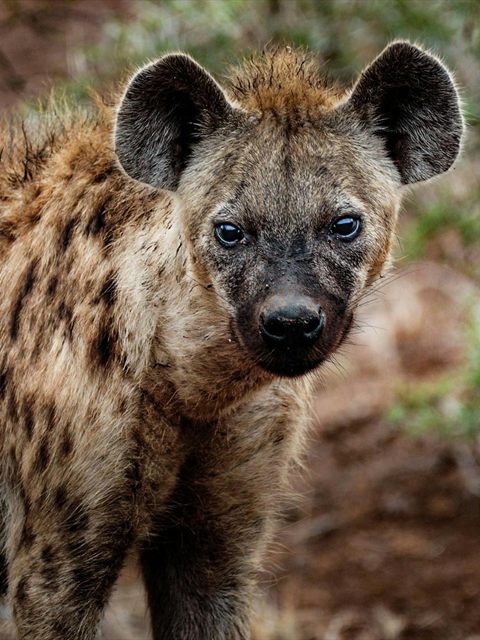
- Lions, leopards, hyenas, and large birds of prey are known to prey on Cape Porcupines.
- Defense Mechanisms
- Cape Porcupines have sharp quills that they can raise and use defensively against predators, making them difficult to attack.
- Found in Zoos
- Uncommon