


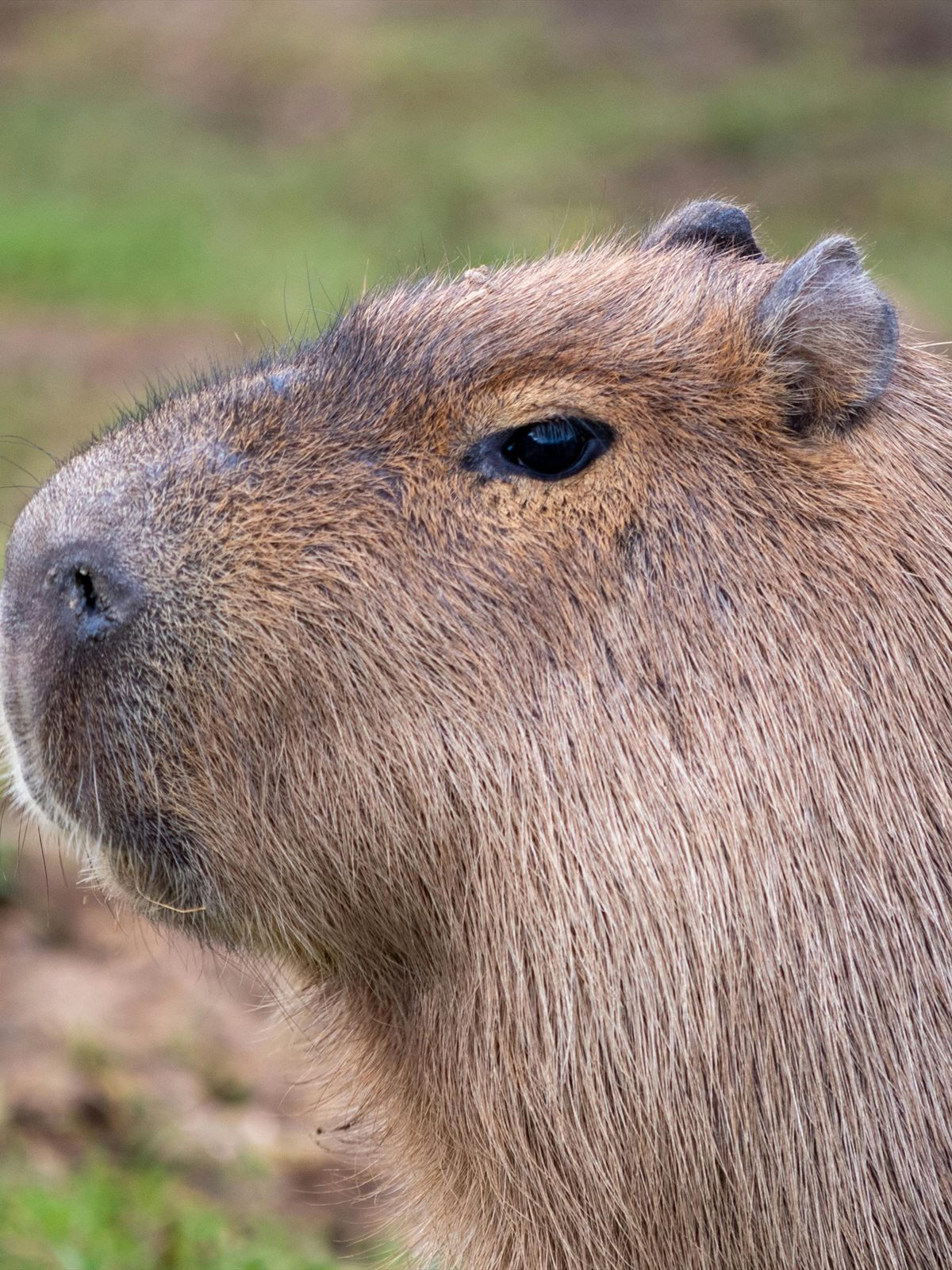
CAPYBARA
Hydrochoerus hydrochaeris
DESCRIPTION
The capybara is the largest rodent in the world, characterized by its barrel-shaped body, short legs, and webbed feet, which make it an excellent swimmer. They have a coarse, brownish fur that helps them blend into their wetland habitats. Capybaras are highly social animals, often found in groups that can range from 10 to 20 individuals, and they communicate through a variety of vocalizations.
FUN FACTS
- Capybaras are known for their friendly nature and often allow other animals, such as birds and monkeys, to sit on them
- This behavior is not only social but also helps with grooming, as these animals can help remove parasites from the capybara's fur
- | Capybaras have a unique digestive system that allows them to ferment their food in a specialized stomach, similar to that of cows
- This adaptation enables them to extract maximum nutrients from their fibrous diet, and they often practice coprophagy, eating their own feces to further digest their food
QUICK INFO
Lifespan4-8 years in the wild, up to 12 years in captivity
Average Weight50-65 kg
Average Length1.1-1.3 m
Diet TypeHerbivore
Social Structuregroup — they live in social groups that provide safety in numbers.
Activity PatternDiurnal
Breeding SeasonYear-round, peaking in the rainy season
- Habitat
- Capybaras inhabit savannas, wetlands, and riverbanks, where they can easily access water. They are semi-aquatic and often found near bodies of water, which provide them with both food and protection from predators.
- Biomes
- Wetlands, Savanna
- Native Range
- Capybaras are native to South America, primarily found in countries like Brazil, Venezuela, Colombia, and Argentina.
- Continent
- South America
- Countries
- Brazil, Venezuela, Colombia, Argentina, Paraguay, Uruguay
- Diet
- Capybaras are herbivores, primarily feeding on grasses, aquatic plants, and fruit. They have a unique digestive system that allows them to efficiently process fibrous plant material.
- Diet Type
- Herbivore
- Favorite Food
- grasses, aquatic plants
- Social Structure
- group — they live in social groups that provide safety in numbers.
- Activity Pattern
- Diurnal
- Group Size
- 10-20
- Territorial
- 0
 NT
NT

 LC
LC
 LC
LC
 VU
VU
50-65 kg
Weight
1.1-1.3 m
Length
- Coloration
- brownish with a coarse texture
- Sexual Dimorphism
- males are generally larger than females
- Lifespan
- 4-8 years in the wild, up to 12 years in captivity
- Gestation Period
- 150 days
- Offspring per Birth
- 4-5
- Sexual Maturity
- 18 months
- Breeding Season
- Year-round, peaking in the rainy season
LC
Least Concern
IUCN Red List Status
- Population Status
- The capybara population is currently stable, with no major declines reported.
- Wild Population Estimate
- 1 million+
- Population Trend
- Stable
- Endangered
- 0
- Threats
- Main threats include habitat destruction due to agriculture and hunting for their meat and skin. However, they are not currently considered endangered.
- Predators
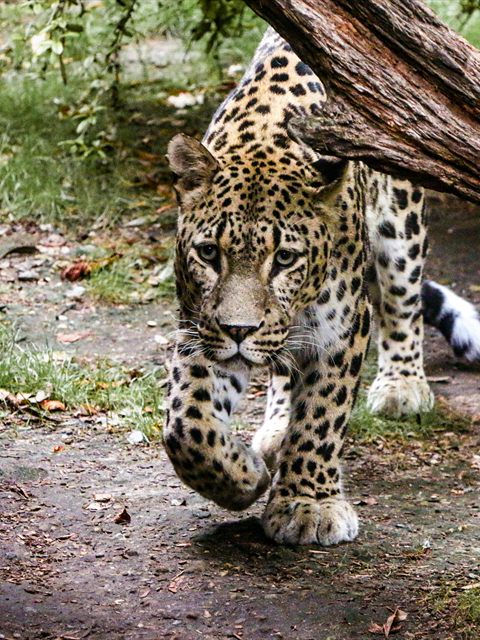
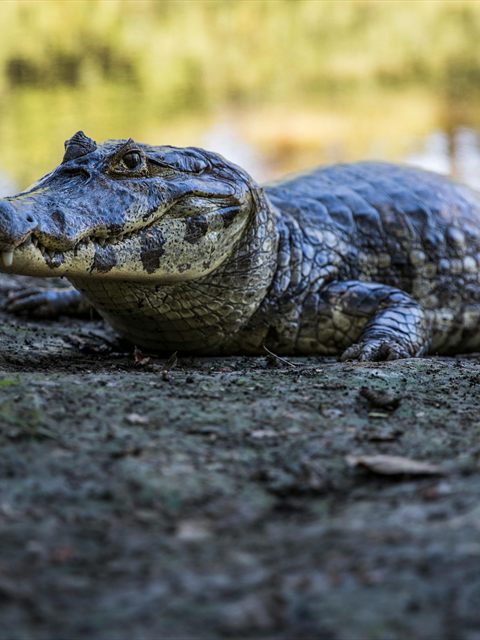
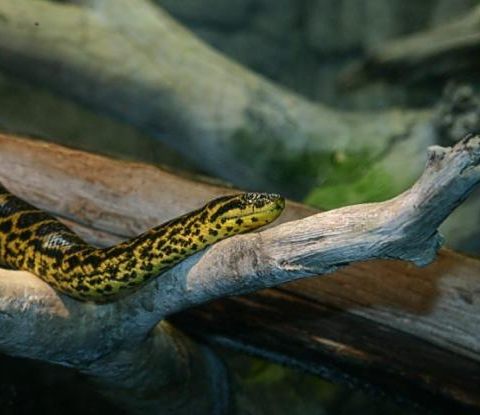
- Jaguar, puma, caiman, anaconda, and large birds of prey.
- Defense Mechanisms
- Capybaras rely on their social structure for protection, using group vigilance to detect predators. They can also submerge themselves in water to escape threats.
- Compatible Animals
- none
- Found in Zoos
- Common