



CARIBBEAN FLAMINGO
Phoenicopterus ruber
DESCRIPTION
The Caribbean Flamingo is a large wading bird known for its striking pink plumage and long legs. It is often found in shallow coastal waters and lagoons, where it feeds on small organisms.
FUN FACTS
- Flamingos can filter-feed by using their specialized beaks | Their pink color comes from the carotenoids in their diet | They can stand on one leg for long periods
QUICK INFO
Lifespan20-30 years in the wild, up to 50 in captivity
Average Weight3.5-4 kg
Average Length1.2-1.5 m
Diet TypeOmnivore
Social Structuregroup — they are highly social and often found in large colonies.
Activity PatternDiurnal
Breeding SeasonSpring to early summer
- Habitat
- They inhabit shallow coastal lagoons, mudflats, and estuaries. These environments provide the necessary food sources and nesting sites.
- Biomes
- Wetlands, Coastal
- Native Range
- The Caribbean Flamingo is native to the Caribbean, parts of Central America, and the northern coasts of South America.
- Continent
- North America, South America
- Countries
- Bahamas, Cuba, Venezuela, Colombia, Mexico
- Diet
- Caribbean Flamingos primarily feed on algae, crustaceans, and small invertebrates. Their diet is rich in carotenoids, which contribute to their pink coloration.
- Diet Type
- Omnivore
- Favorite Food
- algae, crustaceans
- Social Structure
- group — they are highly social and often found in large colonies.
- Activity Pattern
- Diurnal
- Group Size
- 20-1000
- Territorial
- 0
 LC
LC
 LC
LC
3.5-4 kg
Weight
1.2-1.5 m
Length
- Coloration
- pink to reddish with darker wing tips and a distinctive downward-bending bill.
- Sexual Dimorphism
- Males are generally larger and have slightly brighter coloration than females.
- Lifespan
- 20-30 years in the wild, up to 50 in captivity
- Offspring per Birth
- 1
- Sexual Maturity
- 3-5 years
- Breeding Season
- Spring to early summer
LC
Least Concern
IUCN Red List Status
- Population Status
- The population is currently stable, but local declines have been noted in some areas.
- Wild Population Estimate
- 200,000-300,000
- Population Trend
- Stable
- Endangered
- 0
- Threats
- Main threats include habitat loss due to coastal development and pollution. Climate change also poses a risk to their breeding sites.
- Predators
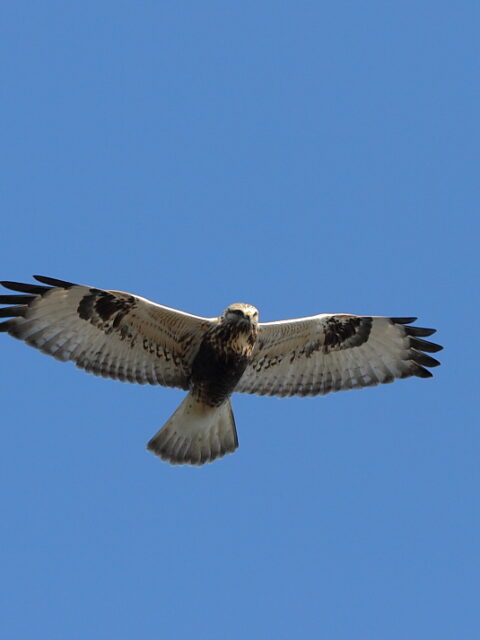
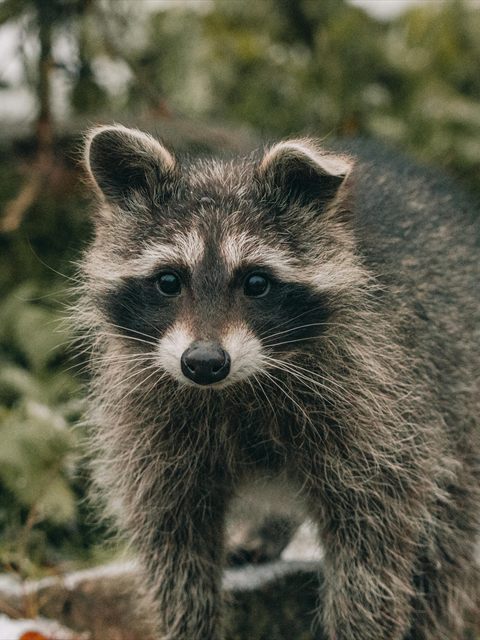
- Eggs and chicks are vulnerable to predation by birds of prey and raccoons.
- Compatible Animals
- other wading birds, ducks
- Found in Zoos
- Common