


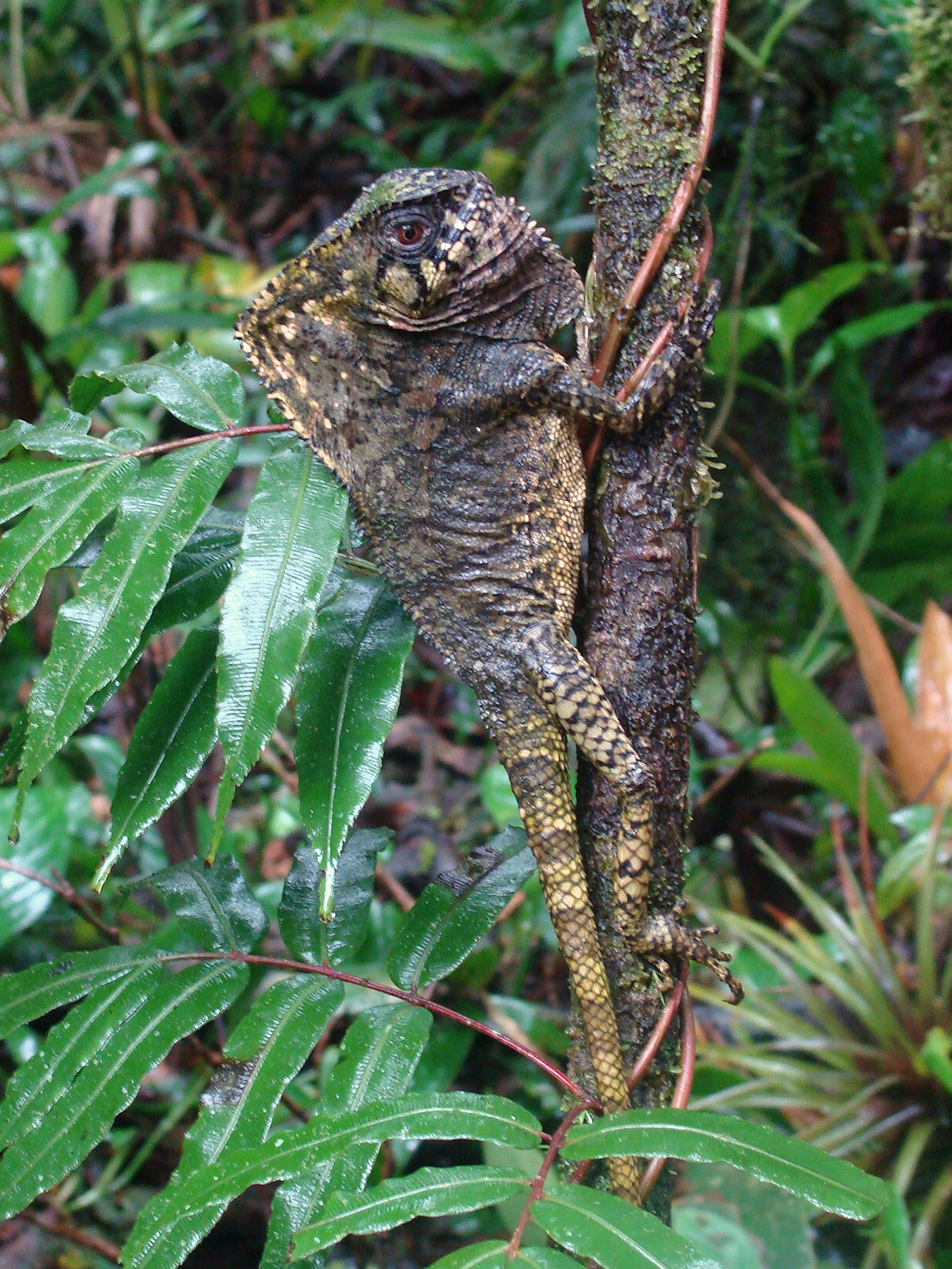
CASQUE HEADED IGUANA
DESCRIPTION
Casque Headed Iguana is a striking species known for its distinctive casque, a bony protrusion on its head that resembles a helmet. This iguana exhibits a vibrant coloration, typically featuring shades of green and brown, which helps it blend into its forested habitat. Primarily arboreal, it is often found basking on branches and is known for its calm demeanor, although it can be quite agile when threatened.
FUN FACTS
- The Casque Headed Iguana's casque is not just for show; it is believed to play a role in communication and possibly in thermoregulation
- Additionally, these iguanas have a unique ability to change their color slightly based on their mood and environmental conditions, which helps them adapt to their surroundings
QUICK INFO
Lifespan10-15 years in the wild, up to 20 in captivity
Average Weight1-2 kg
Average Length0.6-1 m
Diet TypeHerbivore
Social Structuresolitary
Activity PatternDiurnal
Breeding SeasonSpring (April-June)
- Habitat
- This species thrives in tropical rainforests, where it can find ample vegetation for food and shelter. It prefers areas with plenty of trees and foliage to facilitate its arboreal lifestyle.
- Biomes
- Tropical Rainforest
- Native Range
- The Casque Headed Iguana is native to the tropical forests of Central America, particularly in regions of Honduras and Nicaragua.
- Continent
- North America, Central America
- Countries
- Honduras, Nicaragua
- Diet
- The Casque Headed Iguana primarily feeds on leaves, fruits, and flowers, showcasing a herbivorous diet. It plays a crucial role in its ecosystem by aiding in seed dispersal.
- Diet Type
- Herbivore
- Favorite Food
- leaves, fruits, flowers
- Social Structure
- solitary
- Activity Pattern
- Diurnal
- Group Size
- 1-3
- Territorial
- 0
 VU
VU
 LC
LC
1-2 kg
Weight
0.6-1 m
Length
- Coloration
- vibrant green and brown with a distinctive casque
- Sexual Dimorphism
- males are generally larger and have more pronounced casques than females
- Lifespan
- 10-15 years in the wild, up to 20 in captivity
- Offspring per Birth
- 2-5
- Sexual Maturity
- 2-3 years
- Breeding Season
- Spring (April-June)
LC
Least Concern
IUCN Red List Status
- Population Status
- The population status of the Casque Headed Iguana is currently stable, but habitat loss poses a potential threat.
- Wild Population Estimate
- unknown
- Population Trend
- Stable
- Endangered
- 0
- Threats
- Main threats include habitat destruction due to deforestation and human encroachment. Additionally, they face pressure from the pet trade.
- Predators
- birds of prey, snakes, and larger mammals
- Defense Mechanisms
- When threatened, the Casque Headed Iguana can drop from trees to escape predators and may also use its coloration for camouflage.
- Found in Zoos
- Uncommon