


CATALINA MACAW
Ara ararauna × Ara macao
DESCRIPTION
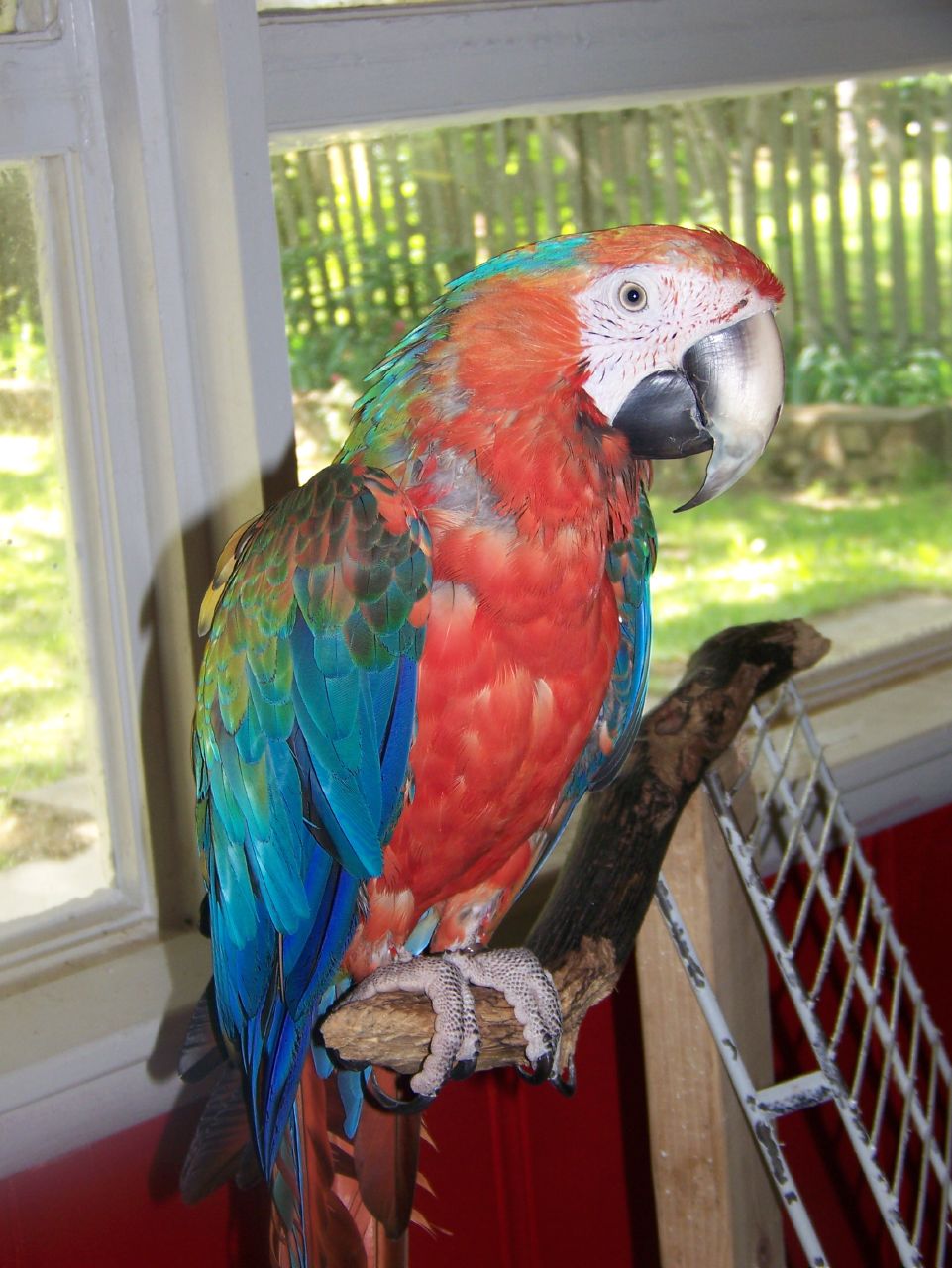
Catalina Macaw (Ara ararauna × Ara macao) is a hybrid macaw known for its striking appearance, combining the vibrant blue and yellow of the Blue-and-yellow Macaw with the red and green of the Scarlet Macaw. This beautiful bird exhibits a long tail and a strong, curved beak, which is characteristic of the macaw family. In terms of behavior, Catalina Macaws are social and intelligent, often seen engaging in playful activities and forming strong bonds with their mates or companions.
FUN FACTS
- Catalina Macaws are known for their exceptional intelligence and can learn to mimic human speech and sounds quite effectively
- They require a lot of mental stimulation and social interaction, making them engaging companions for those who keep them as pets
- | These macaws are often bred in captivity for their stunning appearance and friendly nature, leading to their popularity in aviculture
- However, potential owners should be aware of their long lifespan and the commitment required to care for such a social and intelligent bird
QUICK INFO
Lifespan30-50 years in captivity
Average Weight900-1,200 g
Average Length76-86 cm
Diet TypeHerbivore
Social Structurepair or group, often seen in small flocks or pairs, especially during breeding season.
Activity PatternDiurnal
Breeding SeasonSpring (March-May)
- Habitat
- These macaws are typically found in tropical rainforests, where they can find ample food and nesting sites. They prefer areas with a mix of open spaces and dense foliage.
- Biomes
- Tropical Rainforest
- Native Range
- Catalina Macaws are not found in the wild as they are a hybrid species, but their parent species are native to Central and South America.
- Continent
- South America
- Countries
- none
- Diet
- Catalina Macaws primarily feed on seeds, nuts, fruits, and occasionally flowers. Their strong beaks allow them to crack open hard-shelled nuts, making them well-adapted to their diet.
- Diet Type
- Herbivore
- Favorite Food
- nuts, seeds, fruits
- Social Structure
- pair or group, often seen in small flocks or pairs, especially during breeding season.
- Activity Pattern
- Diurnal
- Group Size
- 2-10
- Territorial
- 1
 VU
VU
 LC
LC
900-1,200 g
Weight
76-86 cm
Length
- Coloration
- vibrant blue and yellow with red accents on the head and green on the wings.
- Lifespan
- 30-50 years in captivity
- Offspring per Birth
- 1-3
- Sexual Maturity
- 3-5 years
- Breeding Season
- Spring (March-May)
LC
Least Concern
IUCN Red List Status
- Population Status
- As a hybrid, Catalina Macaws do not have a wild population status, but their parent species are facing threats.
- Population Trend
- Unknown
- Endangered
- 0
- Threats
- The main threats to Catalina Macaws stem from habitat loss and the illegal pet trade, which affects their parent species. Conservation efforts for their parent species indirectly benefit hybrids like the Catalina Macaw.
- Predators
- large birds of prey, snakes, and other carnivorous animals may pose a threat to young macaws.
- Defense Mechanisms
- Catalina Macaws use their strong beaks and loud vocalizations to deter predators.
- Compatible Animals
- other macaws, large parrots
- Found in Zoos
- Uncommon