


CATTLE EGRET
Bubulcus ibis
DESCRIPTION
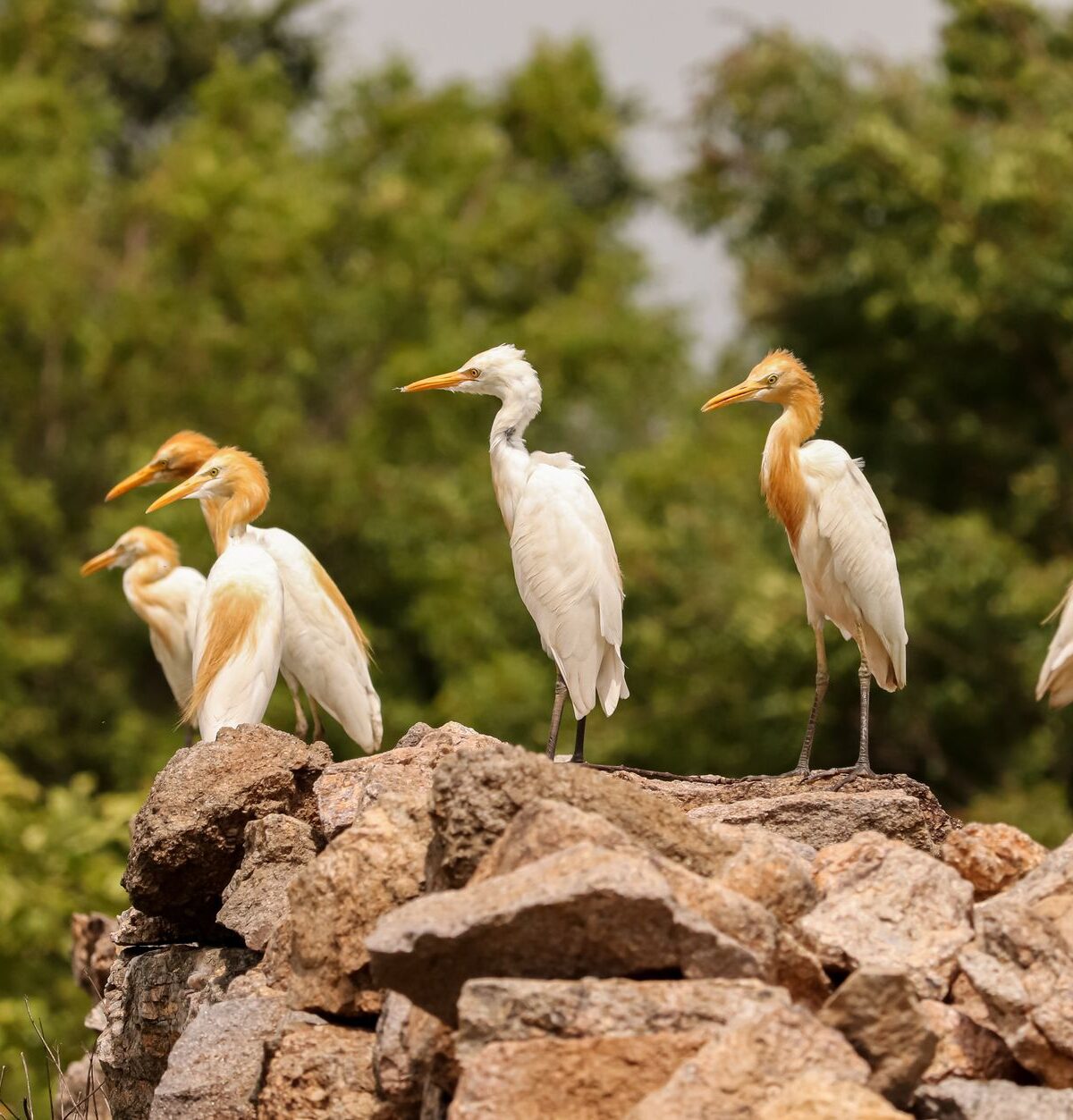
Cattle Egret (Bubulcus ibis) is commonly known as the White Egret and Cow Egret. This medium-sized heron is characterized by its white plumage, yellow bill, and distinctive breeding plumage, which includes long, elegant feathers on the back and a reddish hue on the head and neck during the breeding season. Cattle Egrets are often seen in agricultural fields and pastures, where they follow livestock to catch insects and small animals disturbed by the animals' movements.
FUN FACTS
- Cattle Egrets are known for their unique symbiotic relationship with livestock, as they help control insect populations around grazing animals
- They can often be seen perched on the backs of cows and horses, taking advantage of the insects stirred up by these larger animals
- | During the breeding season, Cattle Egrets display elaborate courtship behaviors, including head bobbing and vocalizations, to attract mates
- Their striking plumage during this time makes them a favorite among birdwatchers and photographers
QUICK INFO
Lifespanup to 15 years in the wild
Average Weight0.4-0.6 kg
Average Length0.5-0.6 m
Diet TypeInsectivore
Social Structuregroup — they often forage in flocks and can be seen roosting together.
Activity PatternDiurnal
Breeding SeasonSpring to early summer
- Habitat
- Cattle Egrets inhabit wetlands, grasslands, and agricultural areas, often near water sources. They are adaptable birds that thrive in both natural and human-altered environments.
- Biomes
- Grassland, Wetland
- Native Range
- Originally native to Africa, Cattle Egrets have expanded their range globally and are now found on every continent except Antarctica.
- Continent
- Africa, Asia, Europe, North America, South America, Australia
- Countries
- United States, Canada, Brazil, India, Australia, South Africa
- Diet
- Cattle Egrets primarily feed on insects, small mammals, and amphibians, often foraging in the presence of grazing animals. They are known to consume a variety of invertebrates and occasionally small fish.
- Diet Type
- Insectivore
- Favorite Food
- insects, small mammals
- Social Structure
- group — they often forage in flocks and can be seen roosting together.
- Activity Pattern
- Diurnal
- Group Size
- 10-50
- Territorial
- 0

 LC
LC
 VU
VU
 LC
LC
0.4-0.6 kg
Weight
0.5-0.6 m
Length
- Coloration
- primarily white with a yellow bill and legs; breeding adults have reddish-brown plumes.
- Sexual Dimorphism
- breeding males have more pronounced plumage than females.
- Lifespan
- up to 15 years in the wild
- Offspring per Birth
- 3-5
- Sexual Maturity
- 1 year
- Breeding Season
- Spring to early summer
LC
Least Concern
IUCN Red List Status
- Population Status
- The population of Cattle Egrets is generally stable, with large numbers observed in suitable habitats.
- Wild Population Estimate
- 1,000,000+
- Population Trend
- Increasing
- Endangered
- 0
- Threats
- Habitat loss due to agricultural expansion and wetland drainage poses a threat to Cattle Egret populations. However, they are generally adaptable and have benefited from human activities.
- Predators
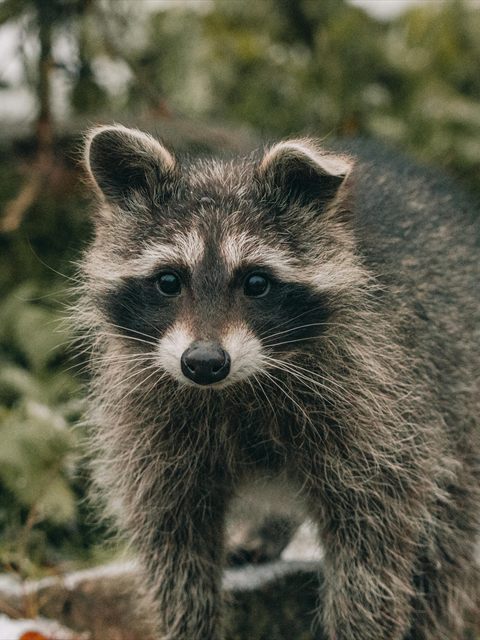
- foxes, raccoons, birds of prey, and larger mammals may prey on eggs and chicks.
- Defense Mechanisms
- Cattle Egrets rely on their ability to fly and their social behavior to avoid predators.
- Compatible Animals
- other herons, ducks, geese
- Found in Zoos
- Common