


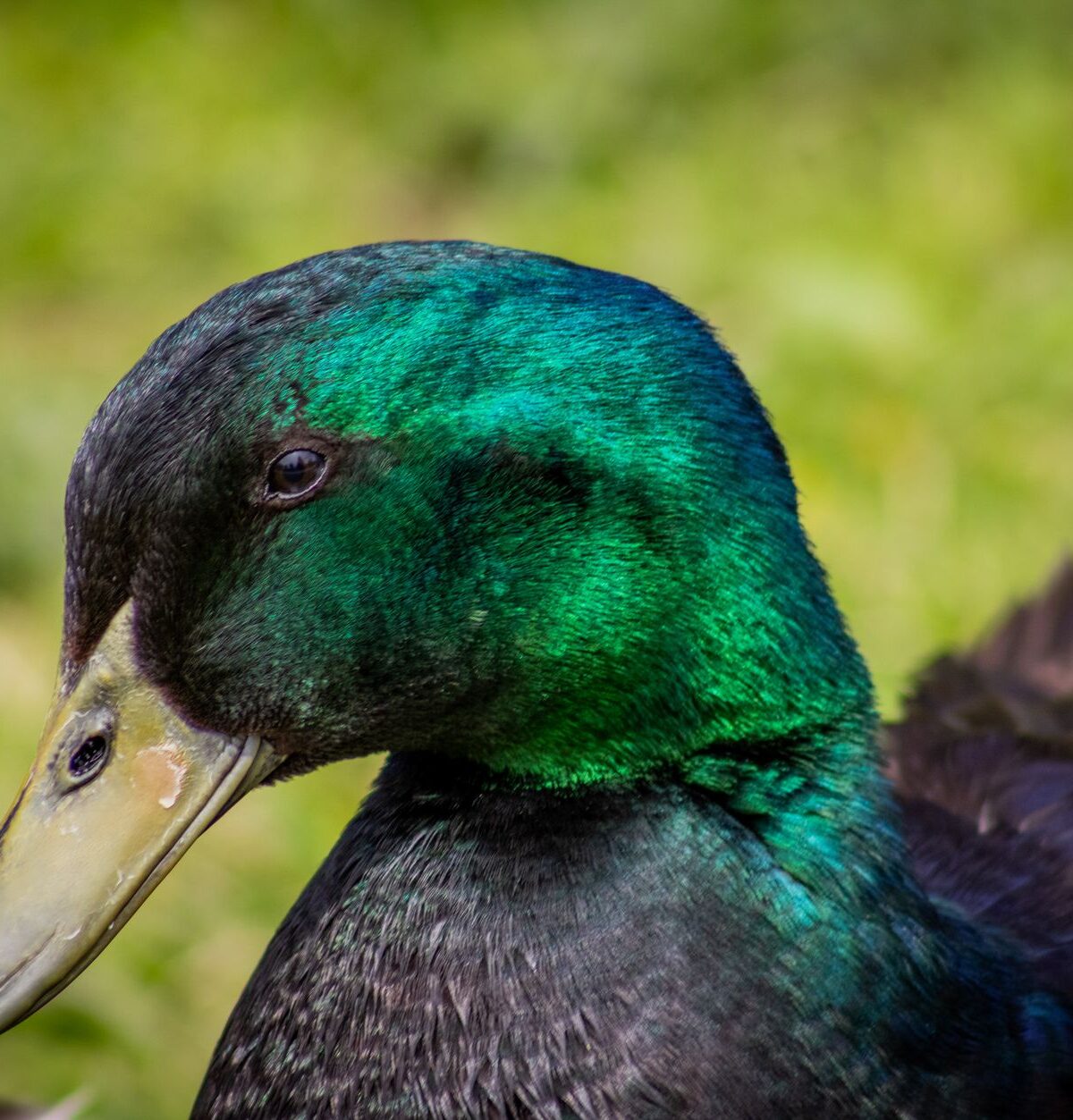
CAYUGA DUCK
DESCRIPTION
Cayuga Duck, also known as the Black Cayuga Duck, is a domesticated breed of duck that is recognized for its striking black plumage, which can exhibit a greenish sheen in sunlight. These ducks are known for their calm demeanor and are often kept for both ornamental purposes and egg production. They are hardy birds that adapt well to various environments, making them popular among backyard poultry enthusiasts.
FUN FACTS
- Cayuga Ducks are known for their unique ability to lay dark green to black eggs, which can be a fascinating sight for poultry keepers
- They are also recognized for their calm and friendly temperament, making them excellent pets for families and individuals looking for a gentle companion.|This breed was developed in the late 18th century and is named after Cayuga Lake in New York
- They are one of the few duck breeds that can produce a significant number of eggs throughout the year, making them a valuable addition to any homestead
QUICK INFO
Lifespan8-12 years in captivity
Average Weight3-4 kg
Diet TypeOmnivore
Social Structuregroup — they are typically found in flocks and enjoy socializing with other ducks.
Activity PatternDiurnal
Breeding SeasonSpring (March-May)
- Habitat
- Cayuga Ducks thrive in a variety of habitats, including farms, backyards, and wetlands. They prefer areas with access to water for swimming and foraging.
- Biomes
- Wetlands, Agricultural Land
- Native Range
- Originally developed in the United States, particularly in New York.
- Continent
- North America
- Countries
- United States
- Diet
- Cayuga Ducks are omnivorous, feeding on a variety of plant materials, insects, and small aquatic creatures. They enjoy foraging in gardens and ponds, which provides them with a diverse diet.
- Diet Type
- Omnivore
- Favorite Food
- grains, greens, insects
- Social Structure
- group — they are typically found in flocks and enjoy socializing with other ducks.
- Activity Pattern
- Diurnal
- Group Size
- 5-15
- Territorial
- 0

 LC
LC
 VU
LC
VU
LC
3-4 kg
Weight
- Coloration
- primarily black with a greenish sheen
- Sexual Dimorphism
- males are generally larger and have a more pronounced coloration than females
- Lifespan
- 8-12 years in captivity
- Offspring per Birth
- 6-12
- Sexual Maturity
- 5-6 months
- Breeding Season
- Spring (March-May)
LC
Least Concern
IUCN Red List Status
- Population Status
- Cayuga Ducks are not considered endangered and are maintained by various breeders.
- Population Trend
- Stable
- Endangered
- 0
- Threats
- The main threats to Cayuga Ducks include habitat loss and competition with wild duck species. Additionally, they can be susceptible to diseases if not properly cared for.
- Predators
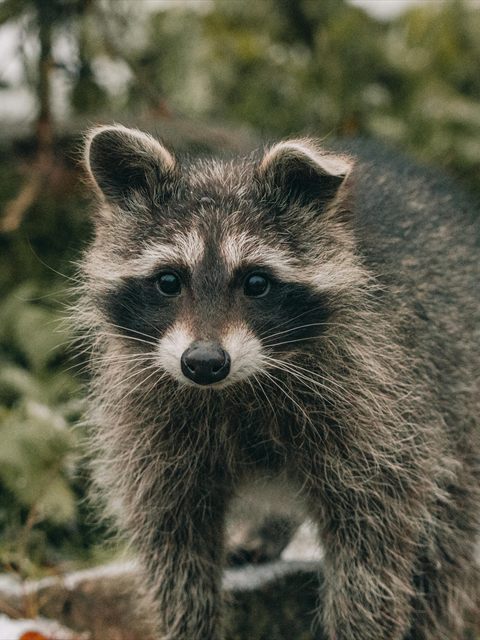
- foxes, raccoons, birds of prey, domestic dogs
- Defense Mechanisms
- Cayuga Ducks rely on their ability to flee and seek shelter to avoid predators.
- Compatible Animals
- other duck breeds, chickens
- Found in Zoos
- Rare