


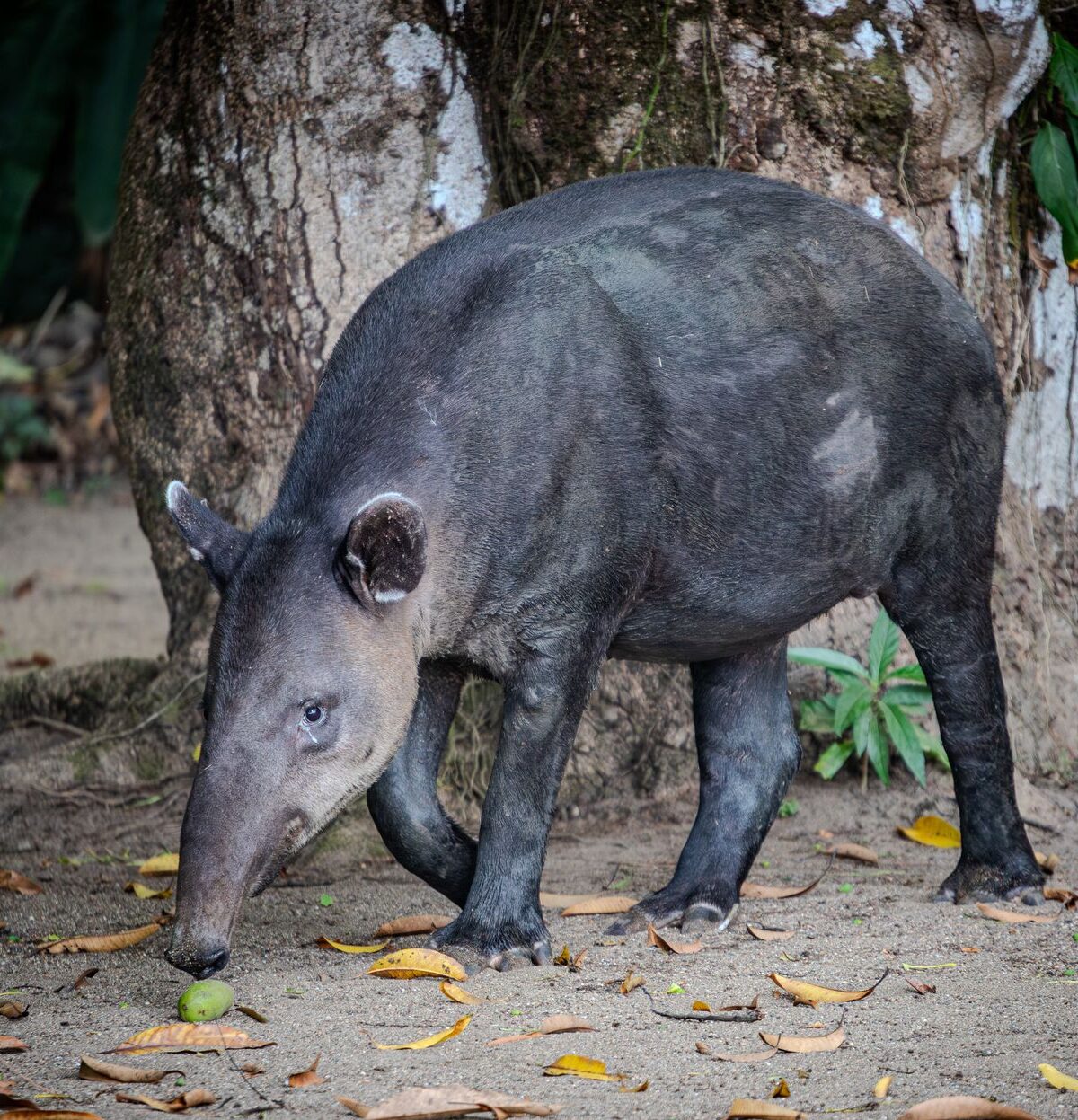
CENTRAL AMERICAN TAPIR
Tapirus bairdii
DESCRIPTION
Central American Tapir (Tapirus bairdii), also known as Baird's Tapir, is the largest land mammal in Central America. It has a distinctive appearance with a stout body, short legs, and a long, flexible snout that resembles a trunk. These tapirs are primarily nocturnal and are excellent swimmers, often found in or near water bodies, where they use their swimming ability to escape predators and forage for food.
FUN FACTS
- Central American Tapirs are often referred to as 'living fossils' because they have existed for millions of years with little change in their physical form
- They are also known for their unique vocalizations, which include whistles and grunts, used for communication with other tapirs in their vicinity
QUICK INFO
Lifespan20-30 years in the wild, up to 35 in captivity
Average Weight150-300 kg
Average Length1.8-2.5 m
Diet TypeHerbivore
Social Structuresolitary, occasionally seen in pairs
Activity PatternNocturnal
Breeding SeasonYear-round, with peaks depending on the region
- Habitat
- They inhabit tropical rainforests, swamps, and grasslands, often near rivers and streams. Their preference for moist environments makes them reliant on healthy water sources.
- Biomes
- Tropical Rainforest, Wetlands
- Native Range
- Central America, from southern Mexico to western Panama
- Continent
- North America
- Countries
- Mexico, Guatemala, Belize, Honduras, Nicaragua, Costa Rica, Panama
- Diet
- Central American Tapirs are herbivores, primarily feeding on leaves, fruits, and aquatic plants. They play a crucial role in their ecosystem by dispersing seeds through their feces.
- Diet Type
- Herbivore
- Favorite Food
- leaves, fruits, aquatic plants
- Social Structure
- solitary, occasionally seen in pairs
- Activity Pattern
- Nocturnal
- Group Size
- 1-2
- Territorial
- 0
 NT
NT

150-300 kg
Weight
1.8-2.5 m
Length
1.2 m at shoulder
Height (Shoulder)
- Coloration
- dark brown to black with lighter markings, especially on the face and legs
- Lifespan
- 20-30 years in the wild, up to 35 in captivity
- Gestation Period
- 13 months
- Offspring per Birth
- 1
- Sexual Maturity
- 3-4 years
- Breeding Season
- Year-round, with peaks depending on the region
EN
Endangered
IUCN Red List Status
- Population Status
- The population of Central American Tapirs is currently declining due to habitat loss and hunting.
- Wild Population Estimate
- 5,000-10,000
- Population Trend
- Decreasing
- Endangered
- 1
- Threats
- Main threats include habitat destruction due to agriculture and urban development, as well as poaching for meat and skin. These factors have significantly impacted their populations across their range.
- Conservation Program
- Various conservation programs are in place, including habitat protection and anti-poaching initiatives.
- Predators
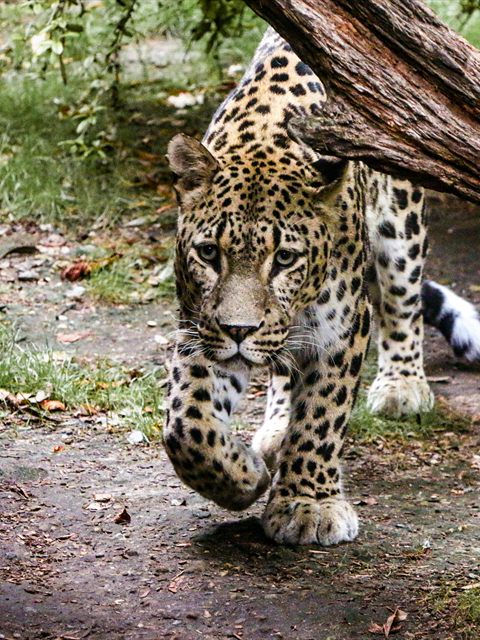
- Jaguar, puma, and large crocodiles are known predators of the Central American Tapir, particularly when they are young or vulnerable.
- Defense Mechanisms
- They rely on their size and strength to deter predators, and their swimming ability allows them to escape into water when threatened.
- Found in Zoos
- Uncommon