


CENTRALIAN BLUE-TONGUED SKINK
Tiliqua multifasciata
DESCRIPTION
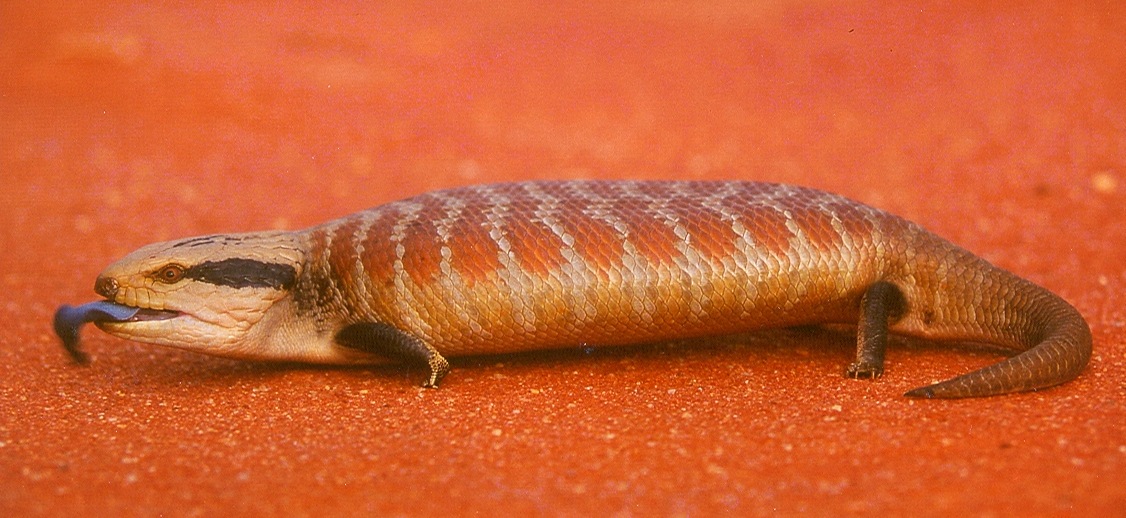
Centralian Blue-Tongued Skink (Tiliqua multifasciata) is a robust lizard known for its distinctive blue tongue, which it displays as a defense mechanism against predators. This species has a striking appearance with a pattern of dark bands across its body, which helps it blend into its arid habitat. Typically found in rocky outcrops and scrublands, these skinks are diurnal and often bask in the sun during the day, showcasing their vibrant coloration.
FUN FACTS
- The blue tongue of the Centralian Blue-Tongued Skink is not just for show; it serves as a warning signal to potential predators, indicating that the skink may be toxic or unpalatable
- Additionally, these skinks are known for their ability to shed their tails when threatened, a defense mechanism that allows them to escape while the predator is distracted by the detached tail.|Centralian Blue-Tongued Skinks are popular in the pet trade due to their docile nature and ease of care
- They can be trained to recognize their owners and may even enjoy being handled, making them a favorite among reptile enthusiasts
QUICK INFO
Lifespan10-15 years in the wild, up to 20 years in captivi
Average Weight300-500 g
Average Length30-40 cm
Diet TypeOmnivore
Social Structuresolitary
Activity PatternDiurnal
Breeding SeasonSpring (September-November)
- Habitat
- These skinks inhabit arid and semi-arid regions, often found in rocky areas, grasslands, and scrublands. They prefer environments with plenty of cover to hide from predators.
- Biomes
- Desert, Grassland
- Native Range
- Central Australia, particularly in the Northern Territory and parts of Queensland.
- Continent
- Australia
- Countries
- Australia
- Diet
- Centralian Blue-Tongued Skinks are omnivorous, feeding on a variety of plant matter, insects, and small invertebrates. Their diet can vary based on seasonal availability of food sources.
- Diet Type
- Omnivore
- Favorite Food
- insects, fruits, and leafy greens
- Social Structure
- solitary
- Activity Pattern
- Diurnal
- Group Size
- 1
- Territorial
- 0
 VU
VU
 LC
LC

300-500 g
Weight
30-40 cm
Length
- Coloration
- dark brown to black with lighter bands or stripes
- Sexual Dimorphism
- males tend to be larger than females
- Lifespan
- 10-15 years in the wild, up to 20 years in captivi
- Offspring per Birth
- 2-6
- Sexual Maturity
- 2-3 years
- Breeding Season
- Spring (September-November)
LC
Least Concern
IUCN Red List Status
- Population Status
- The population is currently stable, but habitat loss poses a potential threat.
- Wild Population Estimate
- Unknown
- Population Trend
- Stable
- Endangered
- 0
- Threats
- Main threats include habitat destruction due to land development and climate change. Additionally, predation by introduced species such as cats and foxes can impact local populations.
- Predators
- birds of prey, snakes, and introduced mammals such as cats and foxes
- Defense Mechanisms
- They display their bright blue tongues as a warning to potential predators, which can deter attacks.
- Compatible Animals
- None
- Found in Zoos
- Common