



CHAPMAN ZEBRA
Equus quagga chapmani
DESCRIPTION
The Chapman zebra is a subspecies of the plains zebra, characterized by its distinctive black and white stripes. It is known for its adaptability to various habitats and social behavior.
FUN FACTS
- Each zebra's stripe pattern is unique, much like human fingerprints | They can run at speeds of up to 65 km/h | Zebras communicate through a variety of vocalizations and body language
QUICK INFO
Lifespan20-25 years in the wild, up to 30 in captivity
Average Weight200-350 kg
Average Length2.3-2.5 m
Diet TypeHerbivore
Social Structuregroup — they typically form herds consisting of females and their young, with a dominant male.
Activity PatternDiurnal
Breeding SeasonYear-round, with peaks depending on local conditions
- Habitat
- They inhabit savannas, grasslands, and open woodlands. These environments provide ample grazing opportunities and cover from predators.
- Biomes
- Savanna, Grassland
- Native Range
- Chapman zebras are native to southern Africa, particularly in regions of Zambia, Zimbabwe, and Botswana.
- Continent
- Africa
- Countries
- Zambia, Zimbabwe, Botswana
- Diet
- Chapman zebras are herbivores, primarily grazing on grasses and leaves. They may also consume shrubs and other vegetation when grass is scarce.
- Diet Type
- Herbivore
- Favorite Food
- grasses
- Social Structure
- group — they typically form herds consisting of females and their young, with a dominant male.
- Activity Pattern
- Diurnal
- Group Size
- 5-20
- Territorial
- 0
 LC
LC
 LC
LC
 VU
VU
200-350 kg
Weight
2.3-2.5 m
Length
1.3 m at shoulder
Height (Shoulder)
- Coloration
- distinctive black and white stripes, with variations in stripe patterns.
- Lifespan
- 20-25 years in the wild, up to 30 in captivity
- Gestation Period
- 12 months
- Offspring per Birth
- 1
- Sexual Maturity
- 3-4 years
- Breeding Season
- Year-round, with peaks depending on local conditions
LC
Least Concern
IUCN Red List Status
- Population Status
- The population is currently stable, but habitat loss poses a threat.
- Wild Population Estimate
- 50,000-100,000
- Population Trend
- Stable
- Endangered
- 0
- Threats
- Main threats include habitat loss due to agriculture and human encroachment. Poaching for their skin and competition with livestock also impact their numbers.
- Predators
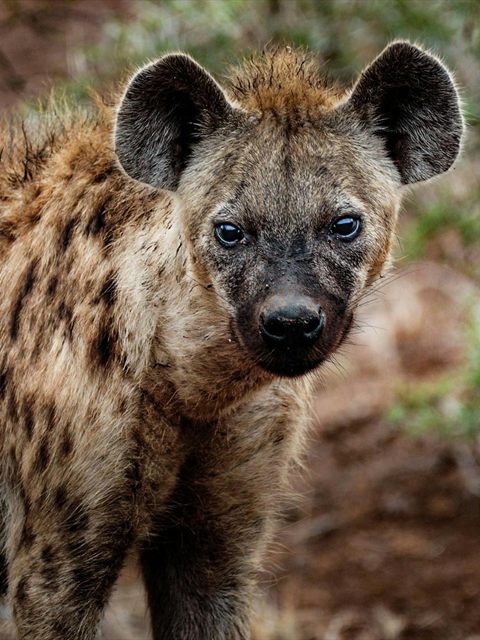
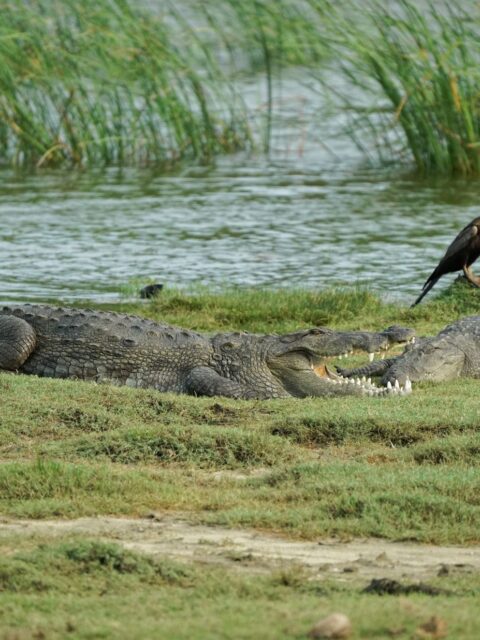
- Lions, hyenas, and crocodiles
- Defense Mechanisms
- They rely on their speed and agility to escape predators, and they often stay in groups for protection.
- Compatible Animals
- none
- Found in Zoos
- Common