


CHEER PHEASANT
Catreus wallichii
DESCRIPTION
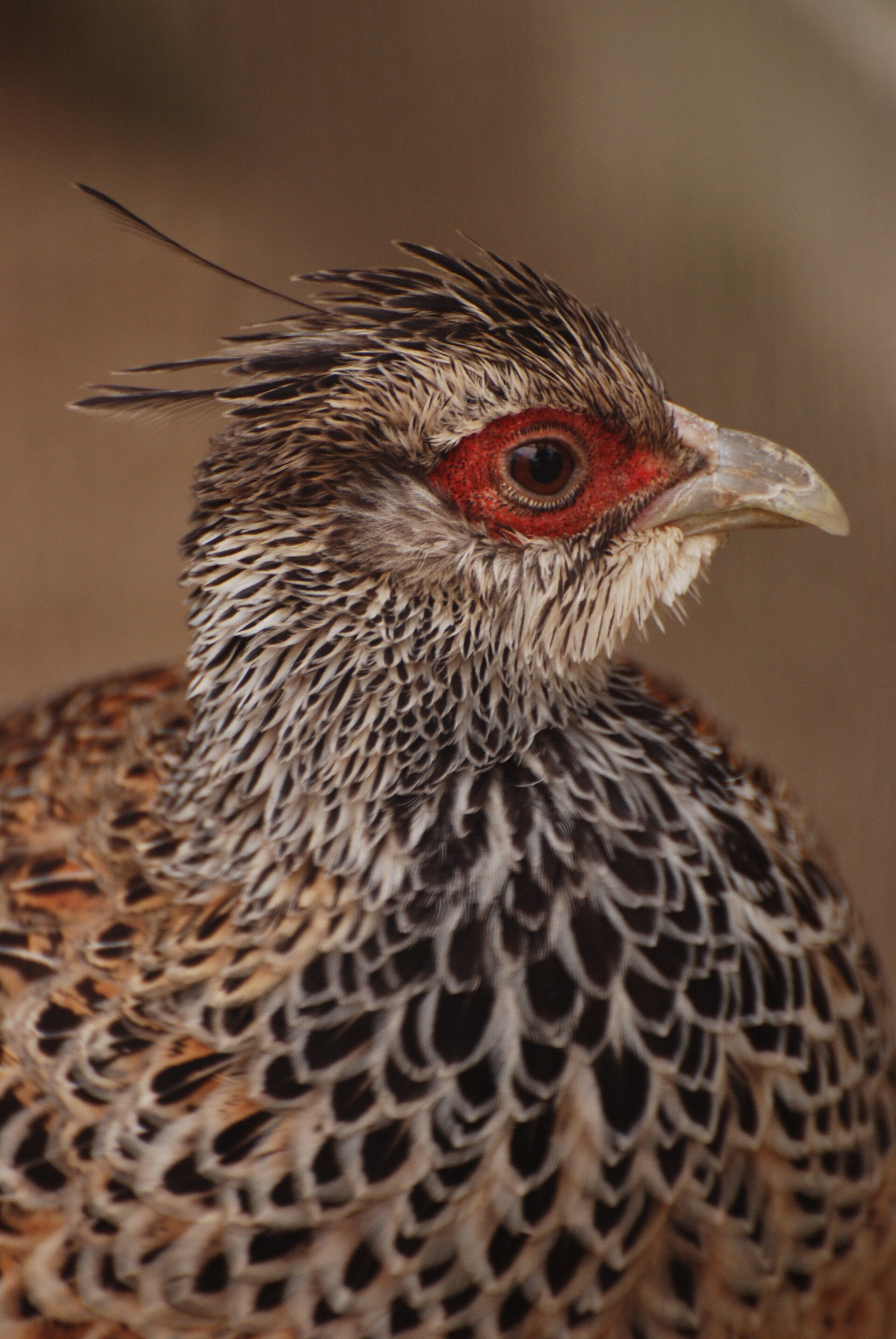
Cheer pheasant (Catreus wallichii) is a striking bird known for its vibrant plumage, which features a mix of iridescent blue and green colors, along with a distinctive long tail. This species is native to the mountainous regions of northern India and parts of Nepal, where it inhabits dense forests and shrublands. Cheer pheasants are known for their elaborate courtship displays, where males perform intricate dances to attract females, showcasing their colorful feathers and vocalizations.
FUN FACTS
- Cheer pheasants are known for their elaborate courtship rituals, which can include vocalizations and intricate displays of their plumage
- These displays are not only a way to attract females but also serve to establish dominance among males
- | The Cheer pheasant is culturally significant in some regions of India, where it is considered a symbol of beauty and grace
- Its striking appearance has made it a subject of interest for birdwatchers and photographers alike
QUICK INFO
Lifespan5-10 years in the wild, up to 15 in captivity
Average Weight1-1.5 kg
Average Length70-90 cm
Diet TypeOmnivore
Social StructureCheer pheasants are typically solitary or found in small groups, especially during the non-breeding season. Males are territorial during the breeding season and will defend their space from other males.
Activity PatternDiurnal
Breeding SeasonSpring (March-May)
- Habitat
- Cheer pheasants thrive in temperate forests and hilly terrains, often favoring areas with dense underbrush for cover. They are typically found at elevations ranging from 1,500 to 3,000 meters.
- Biomes
- Temperate Forest, Montane
- Native Range
- The native range of the Cheer pheasant includes the Himalayan foothills, particularly in northern India and parts of Nepal.
- Continent
- Asia
- Countries
- India, Nepal
- Diet
- Cheer pheasants primarily feed on seeds, fruits, and various plant materials, foraging on the ground for food. They may also consume insects and small invertebrates, particularly during the breeding season.
- Diet Type
- Omnivore
- Favorite Food
- seeds, fruits, insects
- Social Structure
- Cheer pheasants are typically solitary or found in small groups, especially during the non-breeding season. Males are territorial during the breeding season and will defend their space from other males.
- Activity Pattern
- Diurnal
- Group Size
- 1-5
- Territorial
- 1
 LC
LC

1-1.5 kg
Weight
70-90 cm
Length
- Coloration
- vibrant blue and green plumage with a long, ornate tail
- Sexual Dimorphism
- Males are more colorful and larger than females, which are more subdued in coloration.
- Lifespan
- 5-10 years in the wild, up to 15 in captivity
- Offspring per Birth
- 6-12 eggs
- Sexual Maturity
- 1 year
- Breeding Season
- Spring (March-May)
EN
Endangered
IUCN Red List Status
- Population Status
- The population of Cheer pheasants is currently declining due to habitat loss and hunting pressures.
- Wild Population Estimate
- 10,000-20,000
- Population Trend
- Decreasing
- Endangered
- 1
- Threats
- Main threats to Cheer pheasants include habitat destruction due to deforestation and agricultural expansion, as well as hunting for their feathers and meat. These pressures have led to a significant decline in their populations.
- Conservation Program
- Various conservation programs are in place to protect their habitat and raise awareness about their plight.
- Predators
- Eagles, foxes, and large snakes are known predators of Cheer pheasants.
- Defense Mechanisms
- Cheer pheasants rely on their camouflage and the dense vegetation of their habitat to avoid detection by predators.
- Found in Zoos
- Uncommon