


CHICKEN
Gallus gallus
DESCRIPTION
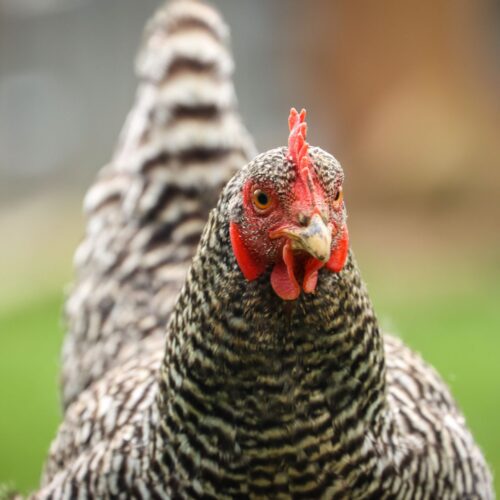
Chickens (Gallus gallus) are domesticated birds known for their distinctive appearance, which includes a rounded body, a short neck, and a small head with a prominent comb. They exhibit a variety of feather colors and patterns, ranging from white to black, red, and speckled. Behaviorally, chickens are social animals that thrive in flocks, displaying a range of vocalizations and social interactions, and they play a significant role in agricultural ecosystems.
FUN FACTS
- Chickens have a remarkable ability to recognize over 100 different faces, both human and animal, which helps them identify members of their flock and potential threats
- | Chickens are known for their complex social structures and can exhibit behaviors such as empathy, where they may comfort distressed flock members, showcasing their emotional intelligence
QUICK INFO
Lifespan5-10 years in the wild, up to 15 years in captivit
Average Weight1.5-4 kg
Average Length0.75-1 m
Diet TypeOmnivore
Social StructureGroup — chickens live in flocks that can range from a few individuals to several hundred.
Activity PatternDiurnal
Breeding SeasonSpring (March-May)
- Habitat
- Chickens are highly adaptable and can thrive in a variety of habitats, including farms, backyards, and free-range environments. They prefer areas with access to shelter, food, and water, often foraging in open spaces.
- Biomes
- Grassland, Agricultural Land
- Native Range
- Originally native to Southeast Asia, chickens have been domesticated and spread worldwide.
- Continent
- Asia, Europe, North America, Africa, Australia
- Countries
- India, China, United States, Brazil, Indonesia
- Diet
- Chickens are omnivorous and consume a varied diet that includes grains, seeds, insects, and small animals. They also forage for greens and other plant materials, making them adaptable to different feeding environments.
- Diet Type
- Omnivore
- Favorite Food
- grains, seeds, insects
- Social Structure
- Group — chickens live in flocks that can range from a few individuals to several hundred.
- Activity Pattern
- Diurnal
- Group Size
- 5-100
- Territorial
- 0

 LC
CR
LC
CR
 LC
LC
LC
LC
1.5-4 kg
Weight
0.75-1 m
Length
- Coloration
- varies widely, including white, black, red, and speckled patterns
- Sexual Dimorphism
- Males (roosters) are typically larger and more colorful than females (hens), with longer tail feathers and a more pronounced comb.
- Lifespan
- 5-10 years in the wild, up to 15 years in captivit
- Offspring per Birth
- 8-12
- Sexual Maturity
- 5-6 months
- Breeding Season
- Spring (March-May)
LC
Least Concern
IUCN Red List Status
- Population Status
- Chickens are one of the most populous domesticated animals globally, with billions raised for meat and eggs.
- Population Trend
- Increasing
- Endangered
- 0
- Threats
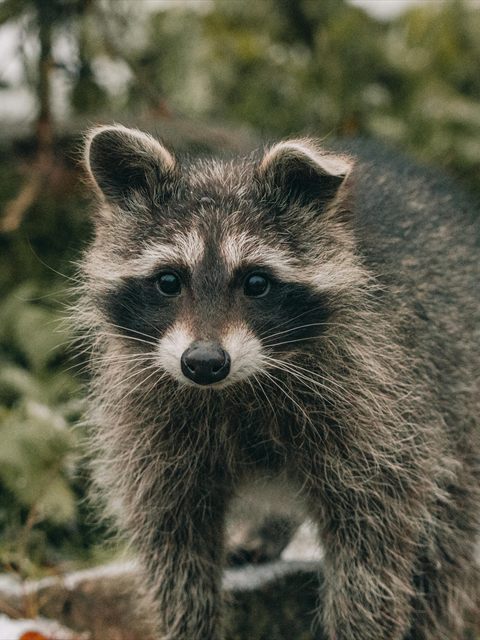
- Chickens face threats from habitat loss, disease, and predation by animals such as foxes and raccoons. In some regions, they are also affected by intensive farming practices.
- Predators
- foxes, raccoons, hawks, snakes, domestic dogs
- Defense Mechanisms
- Chickens rely on flocking behavior for safety, using alarm calls to warn of predators and seeking shelter when threatened.
- Compatible Animals
- ducks, goats, rabbits
- Found in Zoos
- Uncommon