


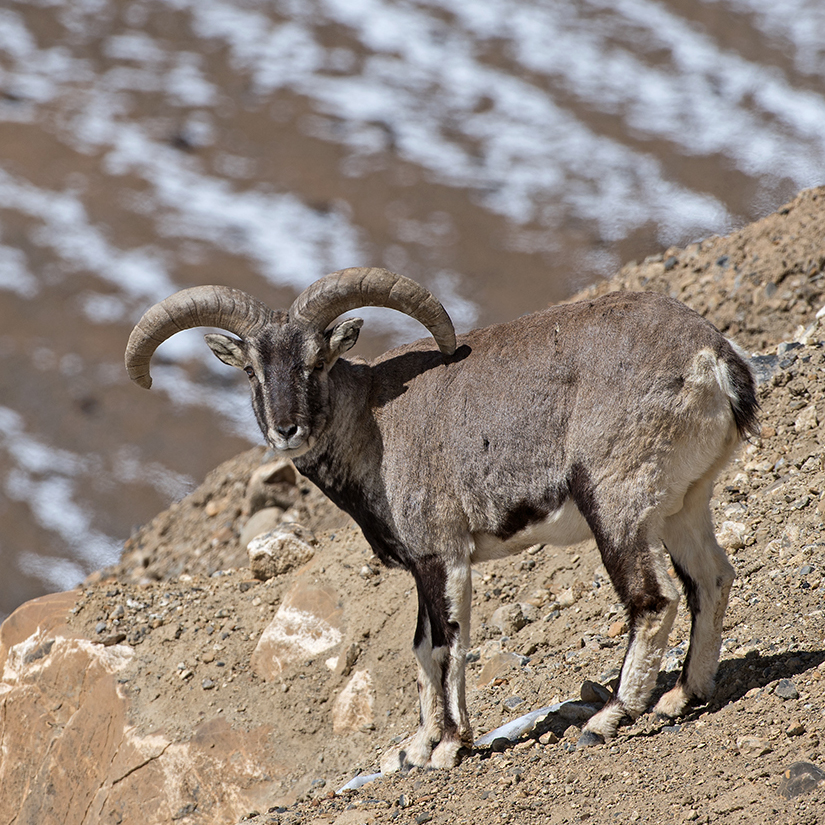
CHINESE BHARAL
Pseudois nayaur szechuanensis
DESCRIPTION
Chinese bharal (Pseudois nayaur szechuanensis) is a subspecies of bharal, characterized by its robust build and thick, woolly coat that provides insulation in its cold mountainous habitat. These animals are known for their impressive agility and climbing skills, often navigating steep and rocky terrains with ease. They are primarily found in the high-altitude regions of China, where they play a crucial role in the ecosystem as herbivores, grazing on the sparse vegetation available.
FUN FACTS
- Chinese bharal are remarkable climbers, able to traverse steep and rocky terrains that would be challenging for many other animals
- Their unique adaptations, such as specialized hooves, allow them to maintain balance and grip on precarious surfaces
- | The wool of the Chinese bharal is highly valued for its warmth and durability, making it sought after in local markets
- This has led to some hunting pressures, but conservation efforts are in place to protect their populations
QUICK INFO
Lifespan10-15 years in the wild, up to 20 years in captivi
Average Weight50-90 kg
Average Length1.2-1.5 m
Diet TypeHerbivore
Social StructureThey are typically solitary or found in small groups, often consisting of females and their young.
Activity PatternDiurnal
Breeding SeasonAutumn (September-November)
- Habitat
- They inhabit steep, rocky slopes and alpine meadows, often at elevations of 3,000 to 5,000 meters. This habitat provides them with both food sources and protection from predators.
- Biomes
- Mountain, Alpine
- Native Range
- The native range of the Chinese bharal includes the mountainous regions of southwestern China, particularly in Sichuan and Tibet.
- Continent
- Asia
- Countries
- China
- Diet
- Chinese bharal primarily feeds on grasses, shrubs, and other vegetation found in their mountainous habitats.
- Diet Type
- Herbivore
- Favorite Food
- grasses, shrubs
- Social Structure
- They are typically solitary or found in small groups, often consisting of females and their young.
- Activity Pattern
- Diurnal
- Group Size
- 1-5
- Territorial
- 1
 VU
VU
 LC
LC
50-90 kg
Weight
1.2-1.5 m
Length
0.8-1.0 m at shoulder
Height (Shoulder)
- Coloration
- Their coloration ranges from grayish-brown to reddish-brown, with lighter underparts and distinctive white markings on the face and legs.
- Sexual Dimorphism
- Males are generally larger and have more prominent horns than females.
- Lifespan
- 10-15 years in the wild, up to 20 years in captivi
- Gestation Period
- 180 days
- Offspring per Birth
- 1
- Sexual Maturity
- 2-3 years
- Breeding Season
- Autumn (September-November)
LC
Least Concern
IUCN Red List Status
- Population Status
- The population of Chinese bharal is currently stable, but they face threats from habitat loss and hunting.
- Wild Population Estimate
- 5,000-10,000
- Population Trend
- Stable
- Endangered
- 0
- Threats
- Main threats include habitat destruction due to agriculture and infrastructure development, as well as poaching for their meat and horns.
- Predators
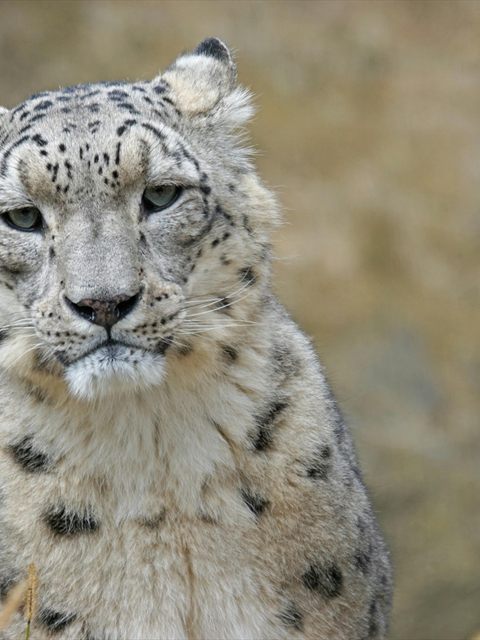
- Snow leopards, wolves, and large birds of prey are known predators of the Chinese bharal.
- Defense Mechanisms
- They rely on their agility and ability to navigate rocky terrain to escape predators, often fleeing to steep cliffs.
- Found in Zoos
- Uncommon