


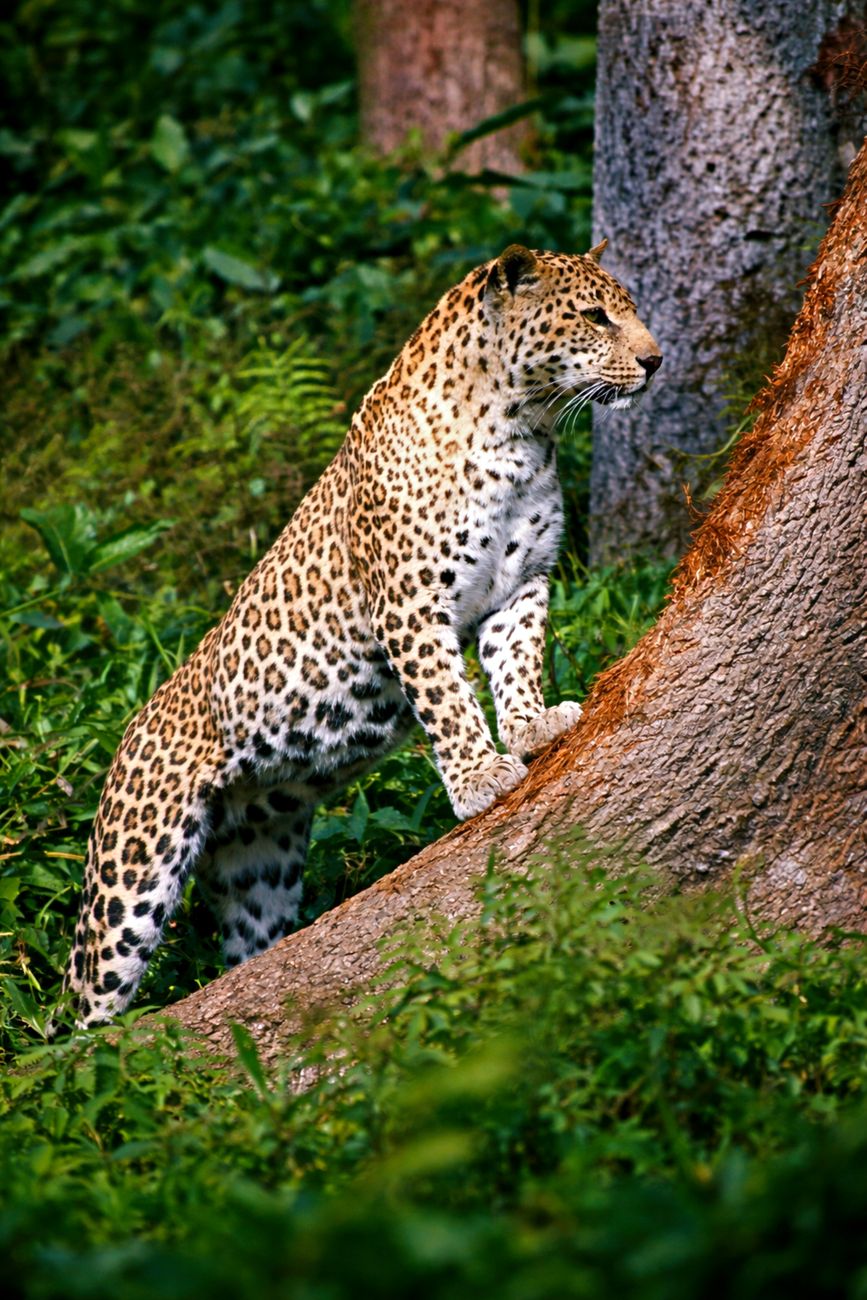
CHINESE LEOPARD
Panthera pardus fusca
DESCRIPTION
Chinese Leopard (Panthera pardus fusca) is a subspecies of leopard found primarily in China and parts of Southeast Asia. It is characterized by its robust build, long legs, and a distinctive coat with rosettes that vary in size and shape. This solitary and elusive big cat is known for its adaptability to various habitats, including forests, grasslands, and mountainous regions.
FUN FACTS
- Chinese Leopards are known for their incredible climbing abilities, often resting in trees to avoid ground predators and to survey their territory
- They can leap up to 6 meters horizontally, making them agile hunters
- | Unlike many other big cats, leopards are highly adaptable and can thrive in a variety of environments, from tropical rainforests to arid deserts
- This adaptability has allowed them to survive in fragmented habitats, although they still face significant threats from human activities
QUICK INFO
Lifespan10-15 years in the wild, up to 20 years in captivi
Average Weight40-90 kg
Average Length1.2-1.9 m
Diet TypeCarnivore
Social Structuresolitary, typically living alone except during mating season or when a mother is raising her cubs
Activity PatternNocturnal
Breeding SeasonYear-round, with peaks depending on the region
- Habitat
- Chinese Leopards inhabit a range of environments, including temperate forests, mountainous areas, and grasslands. They prefer areas with dense cover for stalking prey and for shelter.
- Biomes
- Temperate Forest, Grassland, Mountain
- Native Range
- The native range of the Chinese Leopard includes the mountainous regions of southern and central China, extending into parts of Mongolia and northern Vietnam.
- Continent
- Asia
- Countries
- China, Mongolia, Vietnam
- Diet
- Chinese Leopards are carnivorous and primarily hunt medium-sized ungulates, as well as smaller mammals and birds. They are opportunistic feeders and will scavenge when necessary.
- Diet Type
- Carnivore
- Favorite Food
- deer, wild boar, smaller mammals
- Social Structure
- solitary, typically living alone except during mating season or when a mother is raising her cubs
- Activity Pattern
- Nocturnal
- Group Size
- 1
- Territorial
- 1
 LC
LC
40-90 kg
Weight
1.2-1.9 m
Length
- Coloration
- golden-yellow coat with black rosettes and spots
- Sexual Dimorphism
- males are generally larger than females
- Lifespan
- 10-15 years in the wild, up to 20 years in captivi
- Gestation Period
- 93-112 days
- Offspring per Birth
- 1-4
- Sexual Maturity
- 2-3 years
- Breeding Season
- Year-round, with peaks depending on the region
EN
Endangered
IUCN Red List Status
- Population Status
- The population of Chinese Leopards is currently declining due to habitat loss and poaching.
- Wild Population Estimate
- Less than 10,000
- Population Trend
- Decreasing
- Endangered
- 1
- Threats
- Main threats to the Chinese Leopard include habitat destruction due to urbanization and agriculture, as well as poaching for their beautiful pelts. Human-wildlife conflict also poses a significant risk to their survival.
- Predators
- Humans are the primary threat, but young leopards may be vulnerable to larger carnivores such as tigers and wolves.
- Defense Mechanisms
- Chinese Leopards rely on their camouflage and stealth to avoid detection by both prey and potential threats.
- Found in Zoos
- Uncommon