


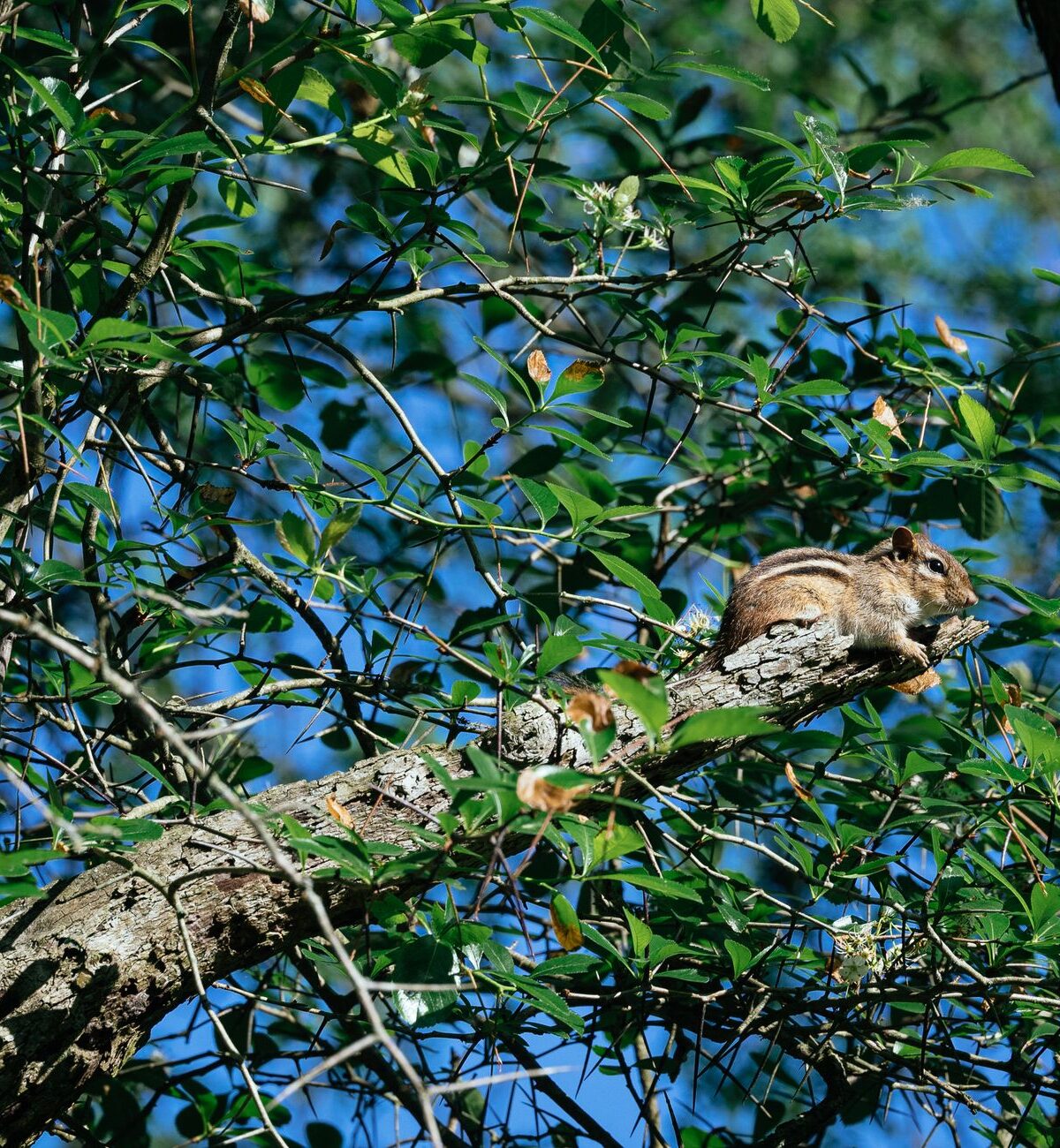
CHINESE ROCK SQUIRREL
Eutamias sibiricus
DESCRIPTION
Chinese Rock Squirrel (Eutamias sibiricus) is also known as the Siberian Chipmunk, a small rodent characterized by its distinctive striped fur and bushy tail. This species exhibits a mix of brown, gray, and white coloration, with prominent stripes running down its back. They are primarily terrestrial, often found in rocky areas and forests, where they display a range of behaviors including foraging and burrowing.
FUN FACTS
- Chinese Rock Squirrels are known for their ability to store food in their cheek pouches, allowing them to transport seeds and nuts back to their burrows
- This behavior is crucial for their survival during the winter months when food is scarce.| They are also popular in the pet trade due to their small size and playful nature, making them appealing companions for small animal enthusiasts
QUICK INFO
Lifespan3-6 years in the wild, up to 10 years in captivity
Average Weight100-150 g
Average Length20-25 cm
Diet TypeOmnivore
Social StructureThey are typically solitary, although they may be seen in pairs during the breeding season.
Activity PatternDiurnal
Breeding SeasonSpring (April-June)
- Habitat
- They inhabit a variety of environments, including forests, grasslands, and rocky areas. These habitats provide ample opportunities for foraging and burrowing.
- Biomes
- Temperate Forest, Grassland
- Native Range
- The species is native to parts of East Asia, particularly in China and surrounding regions.
- Continent
- Asia
- Countries
- China, Mongolia, Russia
- Diet
- Chinese Rock Squirrels primarily consume seeds, nuts, fruits, and occasionally insects. They are known to cache food for later consumption, especially during the winter months.
- Diet Type
- Omnivore
- Favorite Food
- seeds, nuts, fruits
- Social Structure
- They are typically solitary, although they may be seen in pairs during the breeding season.
- Activity Pattern
- Diurnal
- Group Size
- 1-2
- Territorial
- 1
 LC
LC
 CR
CR
 LC
LC
100-150 g
Weight
20-25 cm
Length
- Coloration
- Brown and gray with distinctive stripes
- Lifespan
- 3-6 years in the wild, up to 10 years in captivity
- Gestation Period
- 30 days
- Offspring per Birth
- 2-6
- Sexual Maturity
- 1 year
- Breeding Season
- Spring (April-June)
LC
Least Concern
IUCN Red List Status
- Population Status
- The population is currently stable, with no major declines reported.
- Wild Population Estimate
- Unknown
- Population Trend
- Stable
- Endangered
- 0
- Threats
- Main threats include habitat loss due to urbanization and agriculture. Additionally, they may face predation from birds of prey and domestic animals.
- Predators
- Eagles, hawks, foxes, domestic cats
- Defense Mechanisms
- They use their agility and speed to escape predators, often retreating to burrows or rocky crevices.
- Found in Zoos
- Uncommon