


CINNAMON TEAL
Anas cyanoptera
DESCRIPTION
The Cinnamon Teal is a small, strikingly colored duck known for its rich chestnut-brown plumage, which is particularly vibrant in males during the breeding season. Females are mottled brown, providing excellent camouflage while nesting. These ducks are often found in shallow wetlands and marshes, where they forage for food and engage in social behaviors such as courtship displays and group feeding.
FUN FACTS
- Cinnamon Teals are known for their unique courtship displays, where males perform elaborate aerial displays to attract females
- These displays often include rapid wing beats and sudden dives, showcasing their agility and vibrant colors
- | During migration, Cinnamon Teals can travel long distances, sometimes flying over 1,000 miles non-stop
- They are known to migrate in small flocks, often mixed with other duck species, making their journey a fascinating spectacle for birdwatchers
QUICK INFO
Lifespan5-10 years in the wild
Average Weight0.5-1 kg
Average Length30-38 cm
Diet TypeOmnivore
Social StructureThey are typically found in pairs during the breeding season but can be seen in larger groups during migration and winter.
Activity PatternDiurnal
Breeding SeasonSpring (March-May)
- Habitat
- Cinnamon Teals inhabit freshwater marshes, ponds, and wetlands, often favoring areas with dense vegetation. They require shallow waters for foraging and nesting.
- Biomes
- Wetlands, Temperate Forests
- Native Range
- Cinnamon Teals are found across North America, particularly in the western United States and parts of Canada, as well as in Central and South America.
- Continent
- North America, South America
- Countries
- United States, Canada, Mexico, Argentina, Chile
- Diet
- Cinnamon Teals primarily feed on seeds, aquatic plants, and invertebrates. They often dabble on the water's surface or tip up to reach submerged vegetation.
- Diet Type
- Omnivore
- Favorite Food
- seeds, aquatic plants, invertebrates
- Social Structure
- They are typically found in pairs during the breeding season but can be seen in larger groups during migration and winter.
- Activity Pattern
- Diurnal
- Group Size
- 5-30
- Territorial
- 1
 LC
LC

 VU
VU
 LC
LC
0.5-1 kg
Weight
30-38 cm
Length
- Coloration
- Males are bright cinnamon-red with a dark greenish-black head, while females are mottled brown.
- Sexual Dimorphism
- Males are more brightly colored than females.
- Lifespan
- 5-10 years in the wild
- Offspring per Birth
- 6-12
- Sexual Maturity
- 1 year
- Breeding Season
- Spring (March-May)
LC
Least Concern
IUCN Red List Status
- Population Status
- The population of Cinnamon Teals is currently stable, with no significant declines reported.
- Wild Population Estimate
- 100,000-200,000
- Population Trend
- Stable
- Endangered
- 0
- Threats
- Main threats include habitat loss due to wetland drainage and pollution. Climate change also poses a risk to their breeding habitats.
- Predators
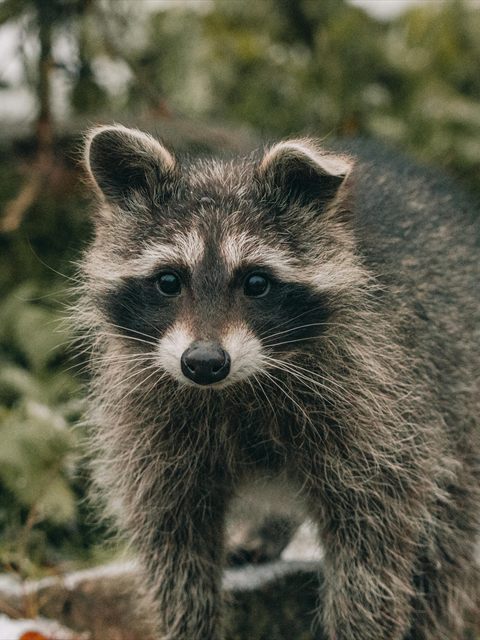
- Raccoons, foxes, birds of prey, and large fish can prey on Cinnamon Teal eggs and ducklings.
- Defense Mechanisms
- Cinnamon Teals rely on their camouflage and quick flight to evade predators.
- Compatible Animals
- Other dabbling ducks, such as Mallards and Northern Pintails
- Found in Zoos
- Uncommon