


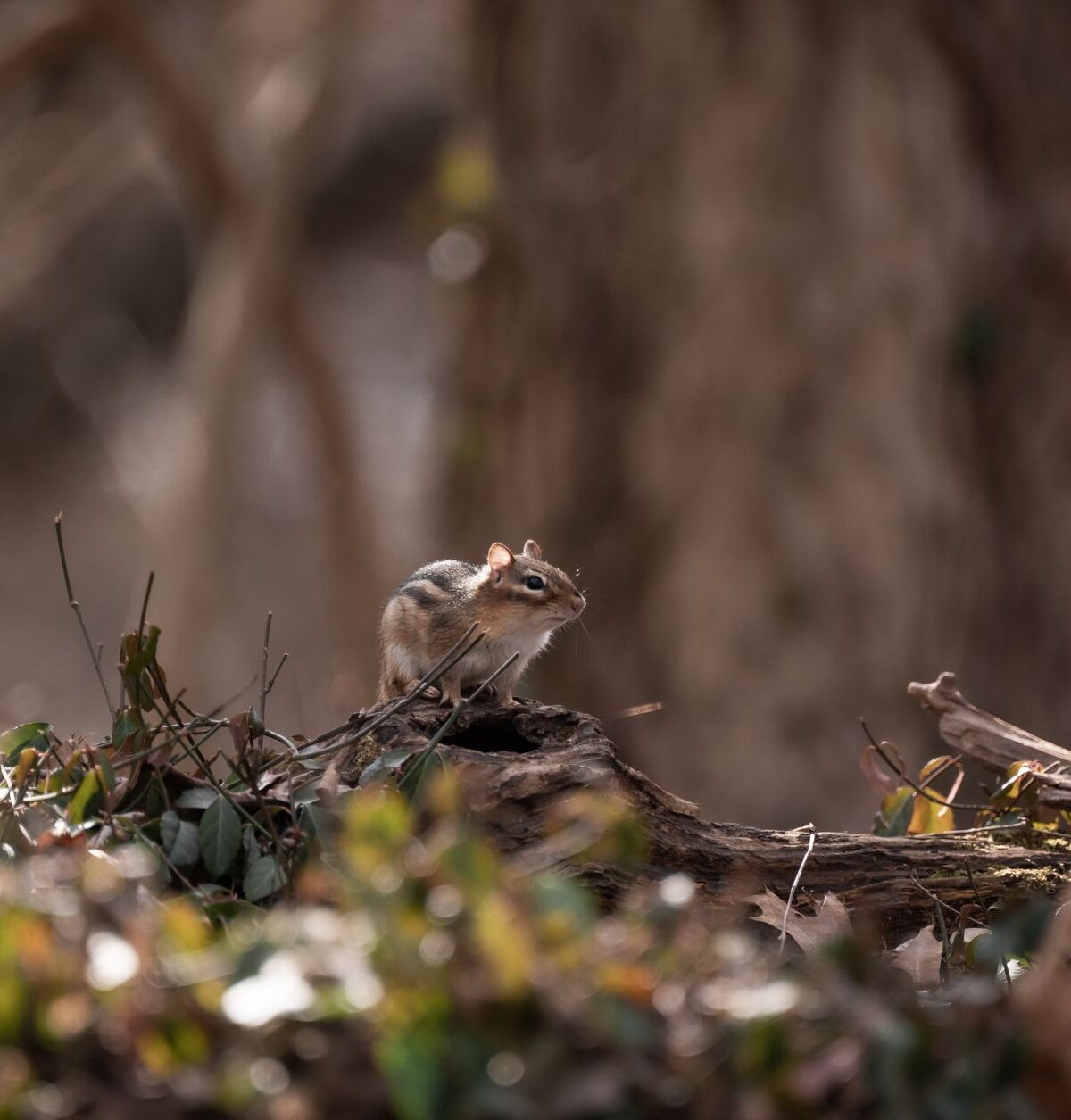
CLIFF CHIPMUNK
Tamias dorsalis
DESCRIPTION
Cliff Chipmunk (Tamias dorsalis) is a small, striped rodent characterized by its distinctive coloration, which includes a mix of brown and gray fur with prominent stripes along its back. These chipmunks are known for their agile movements and are often seen scurrying among rocks and boulders in their natural habitat. They are primarily diurnal, foraging for food during the day and retreating to their burrows at night, where they store food for later consumption.
FUN FACTS
- Cliff Chipmunks are known for their cheek pouches, which they use to store food while foraging
- These pouches can expand significantly, allowing them to carry large amounts of food back to their burrows
- | They play a crucial role in their ecosystem by helping to disperse seeds and nuts, which contributes to plant growth and forest regeneration
- Their foraging habits can significantly impact the vegetation in their habitats
QUICK INFO
Lifespan3-5 years in the wild
Average Weight70-120 g
Average Length20-25 cm
Diet TypeOmnivore
Social Structuresolitary, with occasional pairings during breeding season
Activity PatternDiurnal
Breeding SeasonSpring (April-June)
- Habitat
- These chipmunks inhabit rocky areas, cliffs, and canyons, often favoring regions with ample cover and food sources. They are well-adapted to their rugged environments, using crevices and burrows for shelter.
- Biomes
- Temperate Forest, Montane
- Native Range
- Cliff Chipmunks are native to the western United States, particularly in mountainous regions.
- Continent
- North America
- Countries
- United States
- Diet
- Cliff Chipmunks primarily feed on seeds, nuts, fruits, and insects, showcasing a varied diet that allows them to thrive in their environment.
- Diet Type
- Omnivore
- Favorite Food
- seeds, nuts, fruits
- Social Structure
- solitary, with occasional pairings during breeding season
- Activity Pattern
- Diurnal
- Group Size
- 1-2
- Territorial
- 1
 CR
CR
 LC
LC
 LC
LC
70-120 g
Weight
20-25 cm
Length
- Coloration
- brown and gray fur with distinct stripes
- Lifespan
- 3-5 years in the wild
- Gestation Period
- 30 days
- Offspring per Birth
- 2-5
- Sexual Maturity
- 1 year
- Breeding Season
- Spring (April-June)
LC
Least Concern
IUCN Red List Status
- Population Status
- The population of Cliff Chipmunks is currently stable, with no significant declines reported.
- Wild Population Estimate
- unknown
- Population Trend
- Stable
- Endangered
- 0
- Threats
- Main threats include habitat loss due to urban development and predation by natural predators. However, they are not currently facing significant threats to their population.
- Predators
- hawks, snakes, foxes, domestic cats
- Defense Mechanisms
- Cliff Chipmunks use their agility and speed to escape predators, often retreating to their burrows or rocky crevices.
- Found in Zoos
- Uncommon