


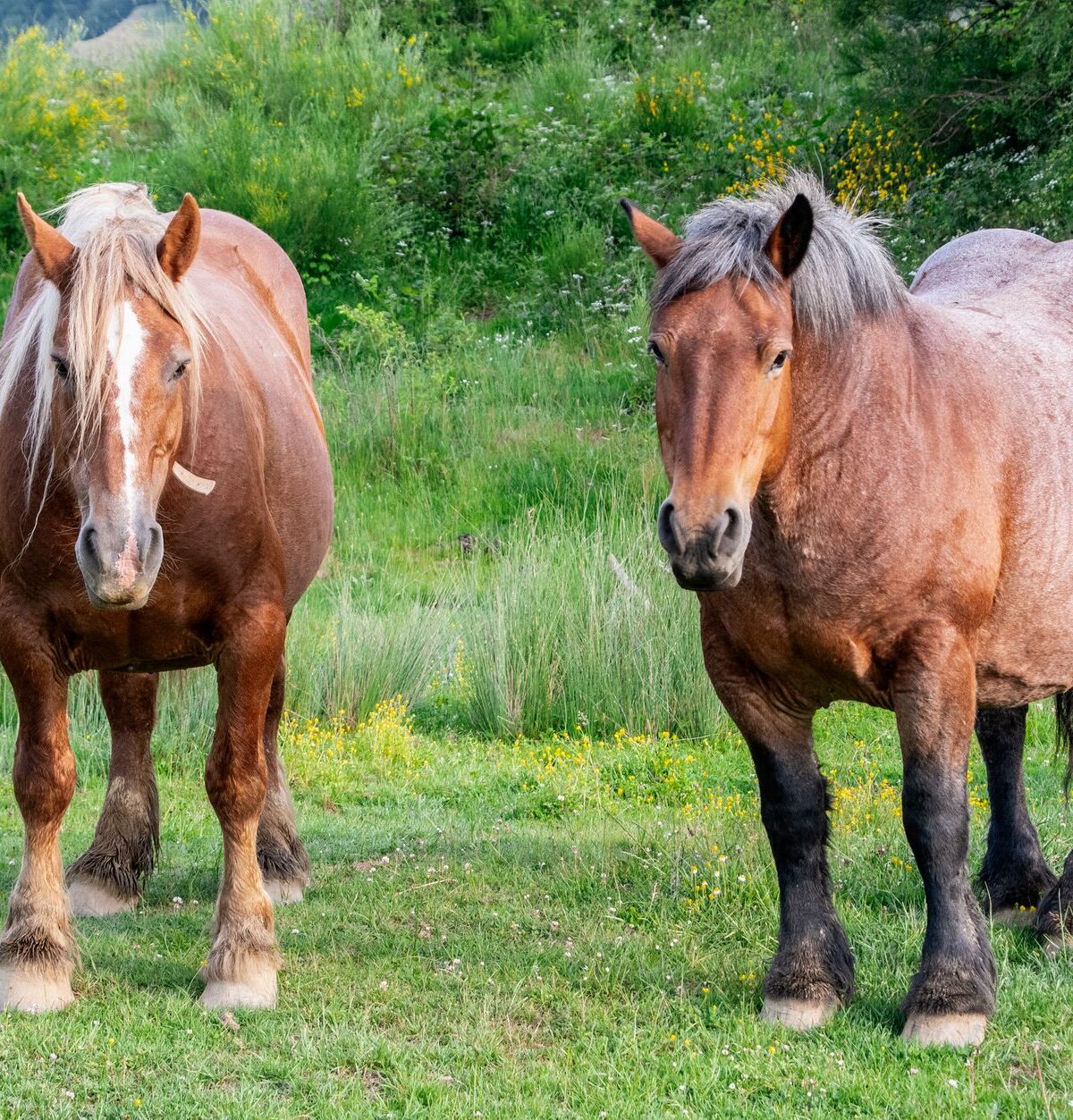
COLD-BLOODED HORSE
DESCRIPTION
Cold-Blooded Horse, also known as Draft Horse or Heavy Horse, is a type of horse characterized by its large size and muscular build. These horses are typically calm and gentle, making them ideal for work and companionship. They are often used in agriculture and heavy draft work due to their strength and endurance, thriving in various environments where they can be utilized for labor.
FUN FACTS
- Cold-Blooded Horses are known for their incredible strength and can pull heavy loads that are several times their own body weight
- They have been used historically in agriculture and transportation, playing a crucial role in the development of human societies
- | These horses are often characterized by their calm demeanor, making them excellent companions for novice riders and children
- Their gentle nature allows them to be used in therapeutic riding programs, helping individuals with disabilities gain confidence and improve their physical abilities
QUICK INFO
Lifespan25-30 years in captivity
Average Weight600-900 kg
Average Length2.4-3.0 m
Diet TypeHerbivore
Social Structuregroup — they are often kept in herds or pairs for social interaction.
Activity PatternDiurnal
Breeding SeasonSpring (April-June)
- Habitat
- Cold-Blooded Horses are commonly found in pastures and farmlands where they can graze freely. They adapt well to various climates but prefer temperate regions.
- Biomes
- Grassland, Temperate Forest
- Native Range
- Originally bred in Europe, Cold-Blooded Horses are now found worldwide, particularly in regions where heavy draft work is needed.
- Continent
- Europe, North America, Asia
- Countries
- United States, Canada, United Kingdom, Germany, France
- Diet
- Cold-Blooded Horses are herbivores, primarily grazing on grasses and hay. They require a diet rich in fiber to maintain their health and energy levels.
- Diet Type
- Herbivore
- Favorite Food
- grass, hay
- Social Structure
- group — they are often kept in herds or pairs for social interaction.
- Activity Pattern
- Diurnal
- Group Size
- 2-10
- Territorial
- 0
600-900 kg
Weight
2.4-3.0 m
Length
1.5-1.8 m at shoulder
Height (Shoulder)
- Coloration
- varies widely, including bay, black, chestnut, and gray
- Sexual Dimorphism
- males are generally larger and more muscular than females
- Lifespan
- 25-30 years in captivity
- Gestation Period
- 11 months
- Offspring per Birth
- 1
- Sexual Maturity
- 2-3 years
- Breeding Season
- Spring (April-June)
LC
Least Concern
IUCN Red List Status
- Population Status
- The population of Cold-Blooded Horses is stable, with many breeds being actively bred and maintained.
- Wild Population Estimate
- not applicable, as they are domesticated
- Population Trend
- Stable
- Endangered
- 0
- Threats
- The main threats include loss of habitat and reduced demand for draft horses due to mechanization. However, they are generally well cared for in domestic settings.
- Predators
- Cold-Blooded Horses have few natural predators due to their domestication, but young foals may be vulnerable to large carnivores such as wolves or mountain lions in the wild.
- Defense Mechanisms
- They rely on their size and strength for defense, and they can also kick if threatened.
- Compatible Animals
- ponies, goats, sheep
- Found in Zoos
- Uncommon