


COLLARED HILL PARTRIDGE
Arborophila gingica
DESCRIPTION
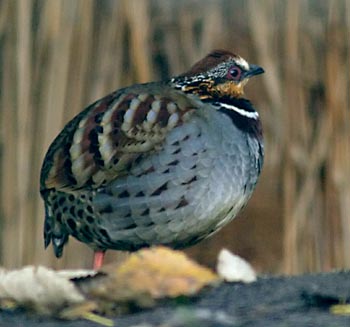
Collared hill partridge (Arborophila gingica) is a medium-sized bird characterized by its distinctive collar of white feathers around the neck and a generally brownish plumage that provides excellent camouflage in its natural habitat. This species is known for its shy and elusive behavior, often preferring to stay hidden in dense underbrush and only emerging to forage for food. It inhabits hilly and mountainous regions, where it plays a crucial role in the ecosystem by aiding in seed dispersal and maintaining vegetation structure.
FUN FACTS
- Collared hill partridges are known for their unique vocalizations, which include a series of soft calls that can be heard during the breeding season
- These calls play a crucial role in mate attraction and territory establishment
- | Despite their shy nature, these birds are fascinating to observe in the wild, especially during the early morning when they are most active
- Their ability to remain hidden makes them a challenge for birdwatchers, adding to the thrill of spotting one in its natural habitat
QUICK INFO
Lifespan5-10 years in the wild
Average Weight300-400 g
Average Length30-35 cm
Diet TypeOmnivore
Social StructureThese birds are typically found in pairs or small family groups, often consisting of a mated pair and their offspring.
Activity PatternDiurnal
Breeding SeasonSpring (March-May)
- Habitat
- This species is typically found in dense forests and scrublands, particularly in hilly or mountainous areas. It prefers habitats with ample cover for foraging and nesting.
- Biomes
- Temperate Forest, Tropical Forest
- Native Range
- The native range of the Collared hill partridge includes parts of Southeast Asia, particularly in the mountainous regions of Myanmar and Thailand.
- Continent
- Asia
- Countries
- Myanmar, Thailand
- Diet
- The Collared hill partridge primarily feeds on seeds, fruits, and leaves, foraging on the ground and in low vegetation. It may also consume small invertebrates occasionally.
- Diet Type
- Omnivore
- Favorite Food
- seeds and fruits
- Social Structure
- These birds are typically found in pairs or small family groups, often consisting of a mated pair and their offspring.
- Activity Pattern
- Diurnal
- Group Size
- 2-6
- Territorial
- 1
 LC
LC
300-400 g
Weight
30-35 cm
Length
- Coloration
- The plumage is predominantly brown with intricate patterns, and the distinctive white collar around the neck is a key identifying feature.
- Sexual Dimorphism
- Males and females are similar in appearance, but males tend to have slightly brighter coloration and a more pronounced collar.
- Lifespan
- 5-10 years in the wild
- Offspring per Birth
- 4-6 eggs
- Sexual Maturity
- 1 year
- Breeding Season
- Spring (March-May)
LC
Least Concern
IUCN Red List Status
- Population Status
- The population of Collared hill partridge is currently stable, but habitat loss poses a potential threat.
- Wild Population Estimate
- Unknown
- Population Trend
- Stable
- Endangered
- 0
- Threats
- Main threats include habitat destruction due to deforestation and agricultural expansion. These activities reduce their natural habitat and food sources.
- Predators
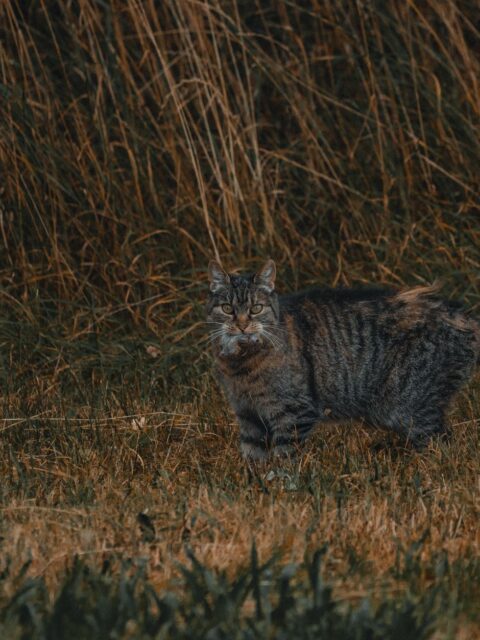
- Main predators include various birds of prey and mammals such as foxes and wild cats.
- Defense Mechanisms
- Collared hill partridges rely on their cryptic coloration to blend into their surroundings, making them less visible to predators.
- Found in Zoos
- Uncommon