


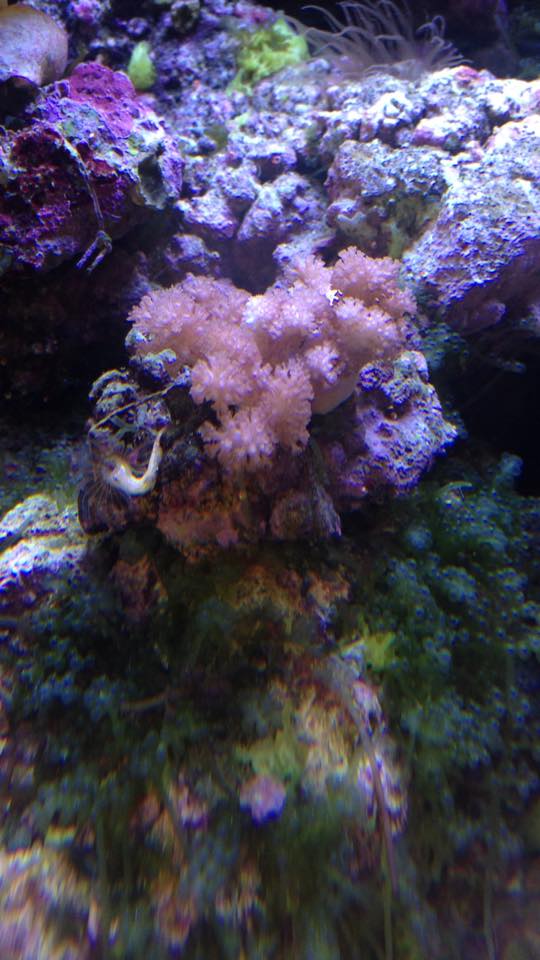
COLT CORAL
DESCRIPTION
Colt Coral is a soft coral species known for its distinctive, bushy appearance resembling a horse's mane. It typically features a variety of colors, including yellow, brown, and green, and can grow in large colonies that sway gently with water currents. This coral plays a crucial role in reef ecosystems, providing habitat and shelter for various marine organisms.
FUN FACTS
- Colt Coral is known for its ability to regenerate after damage, making it a resilient species in the face of environmental stressors
- Additionally, it plays a vital role in the marine ecosystem by providing habitat for numerous fish and invertebrate species, contributing to the overall biodiversity of coral reefs
QUICK INFO
Lifespanup to 50 years in the wild
Diet TypeOmnivore
Social Structuregroup — typically forms large colonies that can consist of thousands of individual polyps.
Activity PatternDiurnal
- Habitat
- Colt Coral is commonly found in shallow, warm waters of tropical and subtropical regions. It typically inhabits reef environments where it can attach to hard substrates.
- Biomes
- Coral Reef
- Native Range
- Colt Coral is native to the Indo-Pacific region, including areas around the Great Barrier Reef and the Red Sea.
- Continent
- Australia, Asia, Africa
- Countries
- Australia, Indonesia, Philippines, Egypt
- Diet
- Colt Coral primarily feeds on plankton and small organic particles filtered from the water. It uses its polyps to capture food as it flows by.
- Diet Type
- Omnivore
- Favorite Food
- plankton, organic particles
- Social Structure
- group — typically forms large colonies that can consist of thousands of individual polyps.
- Activity Pattern
- Diurnal
- Group Size
- hundreds to thousands
- Territorial
- 0
- Coloration
- varies from yellow to brown and green
- Lifespan
- up to 50 years in the wild
- Sexual Maturity
- 1-2 years
LC
Least Concern
IUCN Red List Status
- Population Status
- The population of Colt Coral is currently stable, but it faces threats from environmental changes.
- Population Trend
- Stable
- Endangered
- 0
- Threats
- Colt Coral faces threats from climate change, ocean acidification, and habitat destruction due to human activities. These factors can lead to coral bleaching and reduced reproductive success.
- Predators
- crown-of-thorns starfish, certain fish species
- Defense Mechanisms
- Colt Coral can produce toxic compounds to deter predators and has a symbiotic relationship with zooxanthellae, which provide energy through photosynthesis.
- Compatible Animals
- clownfish, various reef fish species
- Found in Zoos
- Uncommon