



COMB DUCK
Sarkidiornis melanotos
DESCRIPTION
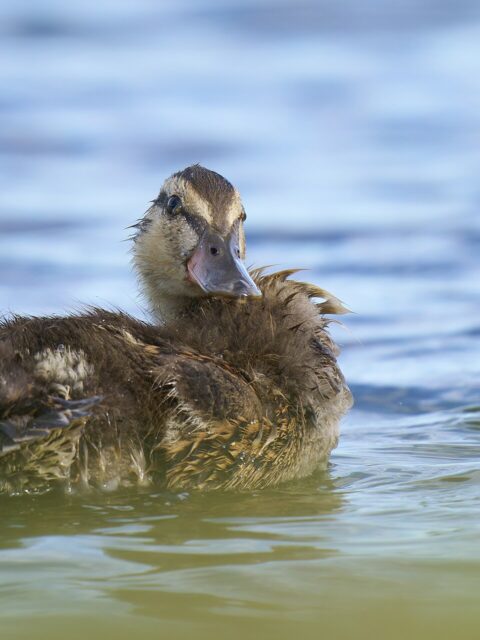
The Comb Duck, also known as the Sarkidiornis melanotos, is a large waterfowl characterized by its distinctive fleshy crest on the head. It is known for its striking plumage and adaptability to various wetland habitats.
FUN FACTS
- Comb Ducks are known for their unique comb-like crest on their heads | They can often be seen foraging in shallow waters | Their vocalizations include a variety of quacks and whistles
QUICK INFO
Lifespan10-15 years in the wild, up to 20 in captivity
Average Weight1.5-2.5 kg
Average Length60-75 cm
Diet TypeHerbivore
Social StructureThey are often seen in pairs or small groups, especially during the breeding season.
Activity PatternDiurnal
Breeding SeasonSpring to early summer
- Habitat
- Comb Ducks inhabit freshwater wetlands, marshes, and lakes. They prefer areas with abundant vegetation for foraging and nesting.
- Biomes
- Wetlands, Grasslands
- Native Range
- They are native to parts of Africa, South Asia, and the Indian subcontinent.
- Continent
- Africa, Asia
- Countries
- India, Bangladesh, South Africa, Namibia, Botswana
- Diet
- Comb Ducks primarily feed on aquatic plants, seeds, and grasses. They may also consume small invertebrates and insects when available.
- Diet Type
- Herbivore
- Favorite Food
- aquatic plants, seeds
- Social Structure
- They are often seen in pairs or small groups, especially during the breeding season.
- Activity Pattern
- Diurnal
- Group Size
- 2-10
- Territorial
- 0
 VU
VU
 LC
LC
1.5-2.5 kg
Weight
60-75 cm
Length
- Coloration
- They have a striking black and white plumage with a greenish sheen on the head.
- Sexual Dimorphism
- Males are generally larger and have more pronounced crests than females.
- Lifespan
- 10-15 years in the wild, up to 20 in captivity
- Offspring per Birth
- 5-12
- Sexual Maturity
- 1-2 years
- Breeding Season
- Spring to early summer
LC
Least Concern
IUCN Red List Status
- Population Status
- The population is currently stable, but habitat loss poses a potential threat.
- Wild Population Estimate
- 50,000-100,000
- Population Trend
- Stable
- Endangered
- 0
- Threats
- Main threats include habitat destruction due to agriculture and urbanization. Pollution of water bodies also poses a risk to their food sources.
- Predators
- Large birds of prey and mammals may prey on eggs and young ducklings.
- Defense Mechanisms
- They rely on their ability to fly and blend into their surroundings for defense.
- Compatible Animals
- Other waterfowl species, such as ducks and geese
- Found in Zoos
- Uncommon