


COMMON AMEIVA
Ameiva ameiva
DESCRIPTION
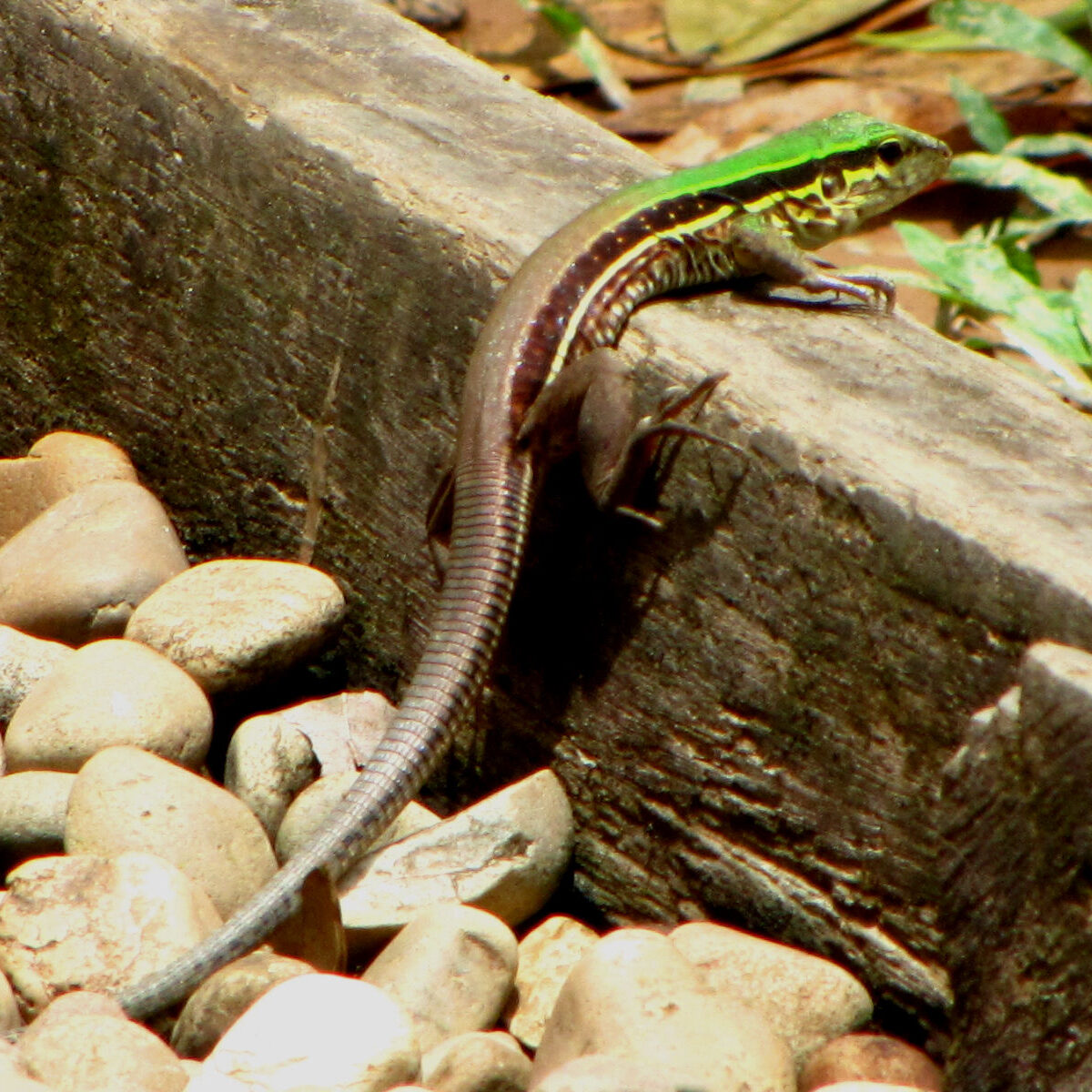
Common Ameiva (Ameiva ameiva) is also known as the Giant Ameiva or Green Ameiva, characterized by its elongated body and long tail. This lizard typically exhibits a brown or gray coloration with lighter stripes running along its body, which helps it blend into its natural habitat. It is a diurnal species, often seen basking in the sun or foraging for food in open areas, showcasing its active and agile nature.
FUN FACTS
- Common Ameiva is known for its impressive speed, which allows it to escape from predators quickly
- This lizard can reach speeds of up to 5 miles per hour, making it one of the faster lizards in its habitat
- | Another interesting fact is that Common Ameiva can often be seen basking in the sun on rocks or logs, which helps regulate its body temperature
- This behavior is crucial for its survival, as it allows the lizard to remain active and hunt for food effectively
QUICK INFO
Lifespan5-10 years in the wild
Average Length30-50 cm
Diet TypeInsectivore
Social Structuresolitary, though they may be seen in loose groups in favorable habitats
Activity PatternDiurnal
Breeding SeasonSpring to early summer
- Habitat
- This species prefers open and disturbed habitats, such as grasslands, savannas, and edges of forests. It is often found in areas with ample sunlight and ground cover for hiding.
- Biomes
- Savanna, Tropical Rainforest, Grassland
- Native Range
- Common Ameiva is native to a wide range of Central and South America, extending from southern Mexico to northern Argentina.
- Continent
- North America, South America
- Countries
- Mexico, Guatemala, Honduras, Nicaragua, Costa Rica, Panama, Colombia, Venezuela, Ecuador, Peru, Brazil, Bolivia, Paraguay, Argentina
- Diet
- Common Ameiva primarily feeds on insects, small invertebrates, and occasionally plant matter. Its diet is diverse, allowing it to thrive in various environments.
- Diet Type
- Insectivore
- Favorite Food
- insects, small invertebrates
- Social Structure
- solitary, though they may be seen in loose groups in favorable habitats
- Activity Pattern
- Diurnal
- Group Size
- 1-5
- Territorial
- 0
 VU
VU
 LC
LC
30-50 cm
Length
- Coloration
- brown or gray with lighter stripes
- Sexual Dimorphism
- males are generally larger and more colorful than females
- Lifespan
- 5-10 years in the wild
- Offspring per Birth
- 3-10
- Sexual Maturity
- 1-2 years
- Breeding Season
- Spring to early summer
LC
Least Concern
IUCN Red List Status
- Population Status
- The population of Common Ameiva is currently stable, with no significant declines reported.
- Wild Population Estimate
- unknown
- Population Trend
- Stable
- Endangered
- 0
- Threats
- Main threats include habitat destruction due to agriculture and urbanization. However, the species is adaptable and can thrive in modified habitats.
- Predators
- birds of prey, snakes, and larger lizards
- Defense Mechanisms
- Common Ameiva relies on its speed and agility to escape predators, often using quick bursts of movement to evade capture.
- Found in Zoos
- Uncommon