


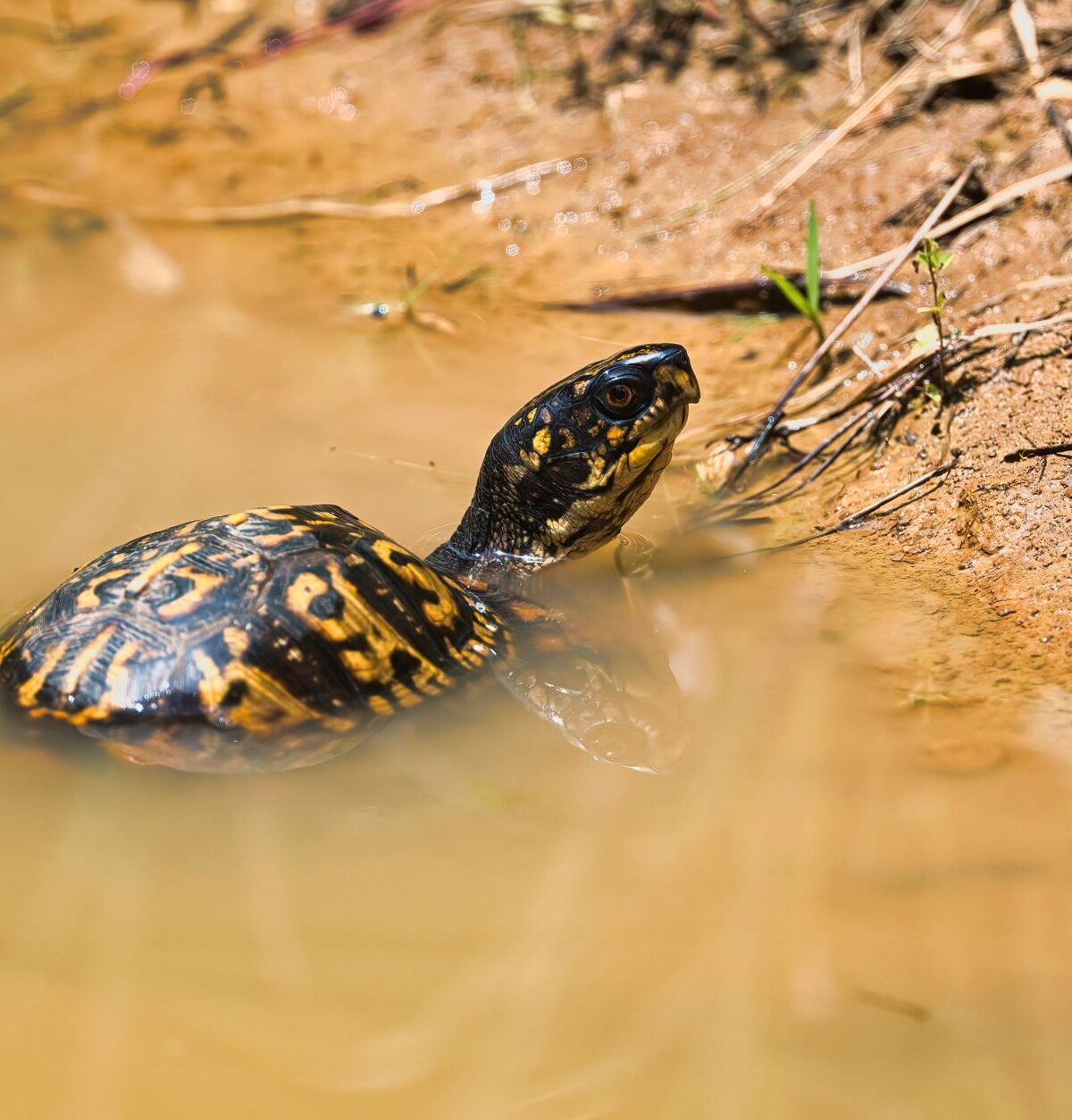
COMMON BOX TURTLE
Terrapene carolina
DESCRIPTION
Common Box Turtle (Terrapene carolina) is a small to medium-sized turtle known for its distinctive domed shell and ability to completely close its shell for protection. The shell is typically brown or olive with yellow or orange markings, providing excellent camouflage in its natural habitat. These turtles are primarily terrestrial and are known for their slow movement, often foraging for food in moist environments such as forests and grasslands.
FUN FACTS
- Common Box Turtles have a unique ability to close their shells completely, which is a defense mechanism against predators
- This ability allows them to remain safe from threats while they are resting or foraging
- | They are known for their long lifespan, with some individuals living over 100 years in captivity
- This longevity makes them a popular choice for pet owners, although they require specific care and habitat conditions to thrive
QUICK INFO
Lifespan40-50 years in the wild, up to 100 years in captiv
Average Weight0.5-1 kg
Average Length10-15 cm
Diet TypeOmnivore
Social Structuresolitary
Activity PatternDiurnal
Breeding SeasonSpring (April-June)
- Habitat
- They inhabit a range of environments, including forests, grasslands, and wetlands. They prefer areas with ample vegetation and access to water sources.
- Biomes
- Temperate Forest, Grassland, Wetland
- Native Range
- Common Box Turtles are native to the eastern United States, extending from the Atlantic coast to the Mississippi River.
- Continent
- North America
- Countries
- United States, Canada
- Diet
- Common Box Turtles are omnivorous, feeding on a variety of plant and animal matter. Their diet includes fruits, vegetables, insects, and small invertebrates.
- Diet Type
- Omnivore
- Favorite Food
- Fruits and insects
- Social Structure
- solitary
- Activity Pattern
- Diurnal
- Group Size
- 1
- Territorial
- 0
 LC
LC

 VU
VU
0.5-1 kg
Weight
10-15 cm
Length
- Coloration
- Brown or olive shell with yellow or orange markings
- Sexual Dimorphism
- Males typically have brighter coloration and a more concave plastron than females.
- Lifespan
- 40-50 years in the wild, up to 100 years in captiv
- Offspring per Birth
- 3-8
- Sexual Maturity
- 5-7 years
- Breeding Season
- Spring (April-June)
LC
Least Concern
IUCN Red List Status
- Population Status
- The population is currently stable, but local declines have been observed in some areas due to habitat loss.
- Wild Population Estimate
- Unknown
- Population Trend
- Stable
- Endangered
- 0
- Threats
- Main threats include habitat destruction, road mortality, and illegal collection for the pet trade. These factors have contributed to localized declines in certain populations.
- Predators
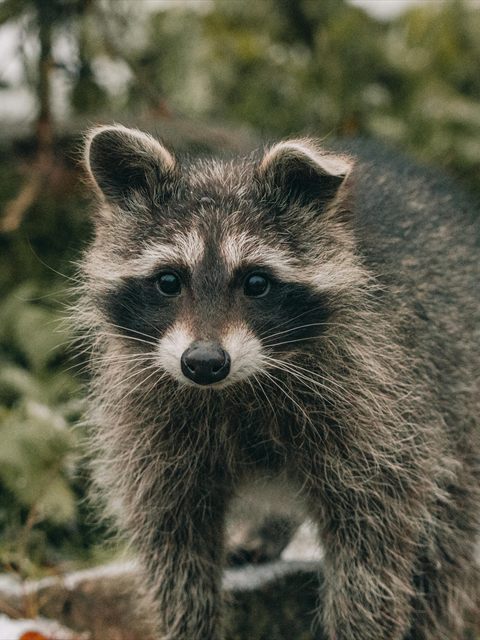
- Raccoons, foxes, birds of prey, and domestic animals such as dogs.
- Defense Mechanisms
- They can retract their head and limbs into their shell, providing protection from predators.
- Found in Zoos
- Common