


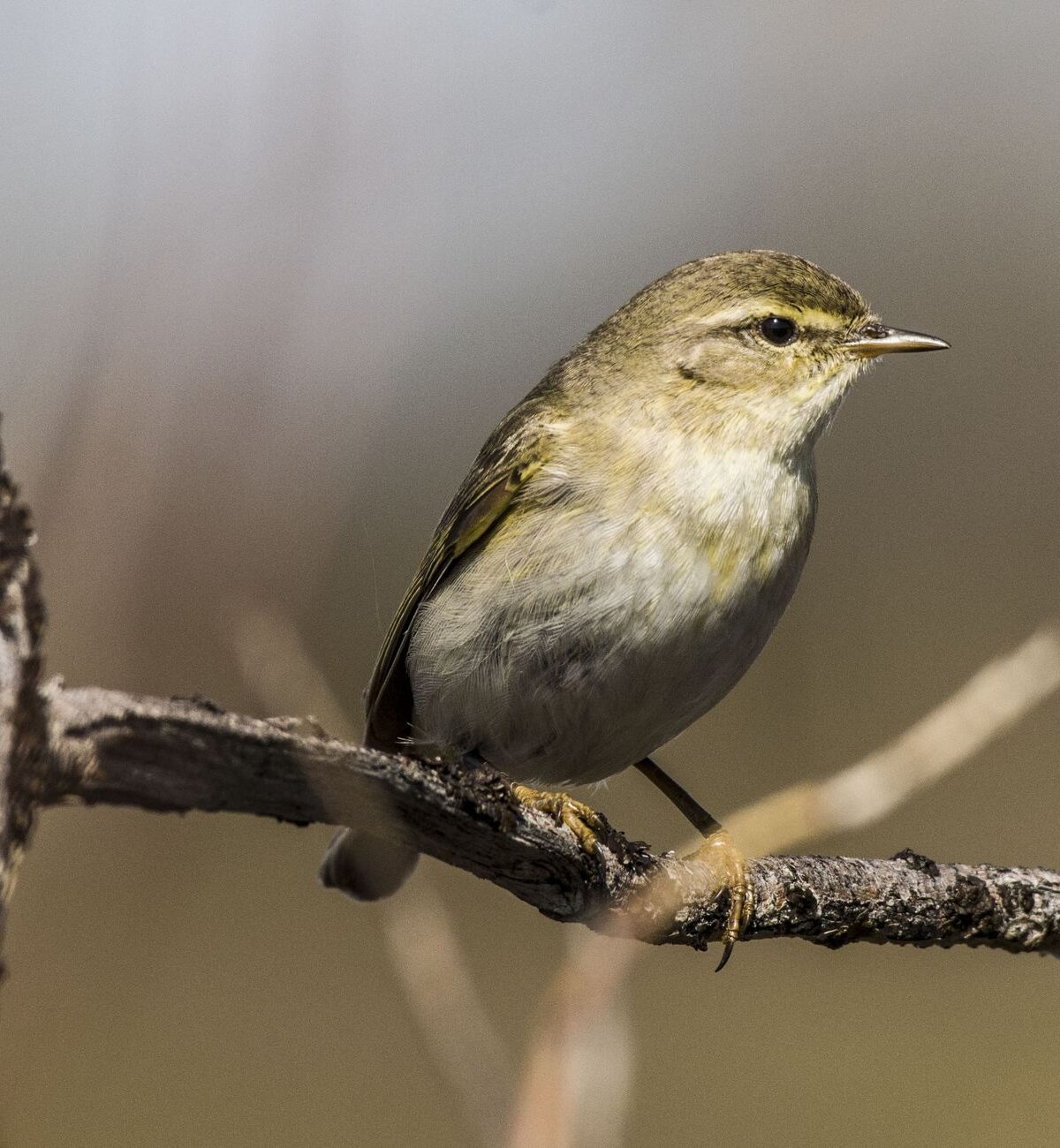
COMMON CHIFFCHAFF
Phylloscopus collybita
DESCRIPTION
Common Chiffchaff (Phylloscopus collybita) is a small, migratory songbird known for its distinctive 'chiff-chaff' call, which is the source of its name. It has an olive-brown upper body, pale underparts, and a faintly marked face, making it somewhat inconspicuous among foliage. This species is often found in woodlands, gardens, and scrub, where it forages actively among leaves and branches, displaying a lively and energetic behavior.
FUN FACTS
- Common Chiffchaffs are remarkable for their long migratory journeys, traveling thousands of kilometers between their breeding and wintering grounds
- They are also known for their ability to adapt to urban environments, often being spotted in city parks and gardens.| The song of the Common Chiffchaff is not only a means of communication but also plays a crucial role in attracting mates during the breeding season
- Their distinctive call can be heard throughout their range, making them a familiar sound in many habitats
QUICK INFO
Lifespan2-5 years in the wild
Average Weight10-12 g
Average Length11-12 cm
Diet TypeInsectivore
Social StructureCommon Chiffchaffs are generally solitary or found in pairs during the breeding season, but they may form small groups during migration.
Activity PatternDiurnal
Breeding SeasonSpring (April-June)
- Habitat
- Common Chiffchaff prefers habitats such as deciduous and mixed woodlands, as well as shrubby areas and gardens. It is often found in areas with dense vegetation where it can easily forage and hide from predators.
- Biomes
- Temperate Forest, Grassland
- Native Range
- The native range of the Common Chiffchaff extends across Europe and parts of Asia, with some populations migrating to North Africa during winter.
- Continent
- Europe, Asia, Africa
- Countries
- United Kingdom, Germany, France, Spain, Italy, Russia
- Diet
- Common Chiffchaff primarily feeds on insects and other small invertebrates, especially during the breeding season. In winter, it may also consume berries and seeds.
- Diet Type
- Insectivore
- Favorite Food
- insects, larvae
- Social Structure
- Common Chiffchaffs are generally solitary or found in pairs during the breeding season, but they may form small groups during migration.
- Activity Pattern
- Diurnal
- Group Size
- 1-5
- Territorial
- 1
 LC
LC
10-12 g
Weight
11-12 cm
Length
- Coloration
- Olive-brown upperparts with pale underparts and a faintly marked face.
- Lifespan
- 2-5 years in the wild
- Offspring per Birth
- 3-6
- Sexual Maturity
- 1 year
- Breeding Season
- Spring (April-June)
LC
Least Concern
IUCN Red List Status
- Population Status
- The population of Common Chiffchaff is currently stable across its range, with many individuals successfully breeding each year.
- Wild Population Estimate
- 1,000,000-2,000,000
- Population Trend
- Stable
- Endangered
- 0
- Threats
- Common Chiffchaffs face threats from habitat loss due to deforestation and urbanization. Climate change may also impact their migratory patterns and breeding success.
- Predators
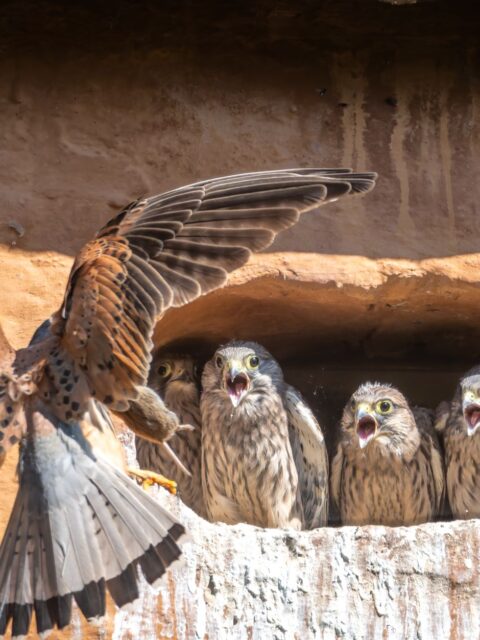
- Common Chiffchaffs are preyed upon by various birds of prey, such as sparrowhawks and kestrels, as well as domestic cats.
- Defense Mechanisms
- They rely on their camouflage and quick movements to evade predators, often remaining hidden among foliage.
- Found in Zoos
- Rare