


COMMON CROW
Corvus brachyrhynchos
DESCRIPTION
The Common Crow (Corvus brachyrhynchos) is a medium-sized bird known for its all-black plumage and distinctive cawing call. It has a robust body, a thick neck, and a short, stout bill. Highly intelligent, these birds exhibit complex social behaviors and are known for their problem-solving abilities and use of tools.
FUN FACTS
- Crows are known for their exceptional intelligence, capable of solving complex puzzles and using tools to obtain food
- They can recognize human faces and remember those who pose a threat to them
- | In some cultures, crows are seen as symbols of wisdom and are associated with various myths and legends
- Their ability to adapt to urban environments has made them a common sight in cities, where they often scavenge for food
QUICK INFO
Lifespan7-8 years in the wild, up to 20 years in captivity
Average Weight300-600 g
Average Length40-50 cm
Diet TypeOmnivore
Social StructureThey are often seen in pairs or small groups, but can also form larger flocks, especially during migration or in winter.
Activity PatternDiurnal
Breeding SeasonSpring (March-June)
- Habitat
- Common Crows thrive in a variety of habitats, including urban areas, forests, and agricultural fields. They are adaptable birds that can live in close proximity to humans.
- Biomes
- Temperate Forest, Grassland, Urban
- Native Range
- The Common Crow is native to North America, ranging from southern Canada to northern Mexico.
- Continent
- North America
- Countries
- United States, Canada, Mexico
- Diet
- Common Crows are omnivorous and have a varied diet that includes insects, seeds, fruits, and small animals. They are opportunistic feeders and will scavenge for food in urban areas.
- Diet Type
- Omnivore
- Favorite Food
- insects, seeds, fruits
- Social Structure
- They are often seen in pairs or small groups, but can also form larger flocks, especially during migration or in winter.
- Activity Pattern
- Diurnal
- Group Size
- 5-50
- Territorial
- 1
 LC
LC
 LC
LC
 LC
LC
 LC
LC
300-600 g
Weight
40-50 cm
Length
- Coloration
- All-black plumage with a glossy sheen.
- Lifespan
- 7-8 years in the wild, up to 20 years in captivity
- Offspring per Birth
- 3-7
- Sexual Maturity
- 1-2 years
- Breeding Season
- Spring (March-June)
LC
Least Concern
IUCN Red List Status
- Population Status
- The Common Crow has a stable population and is widespread across its range.
- Wild Population Estimate
- millions
- Population Trend
- Stable
- Endangered
- 0
- Threats
- Main threats include habitat loss and hunting. However, they are generally adaptable and can thrive in urban environments.
- Predators
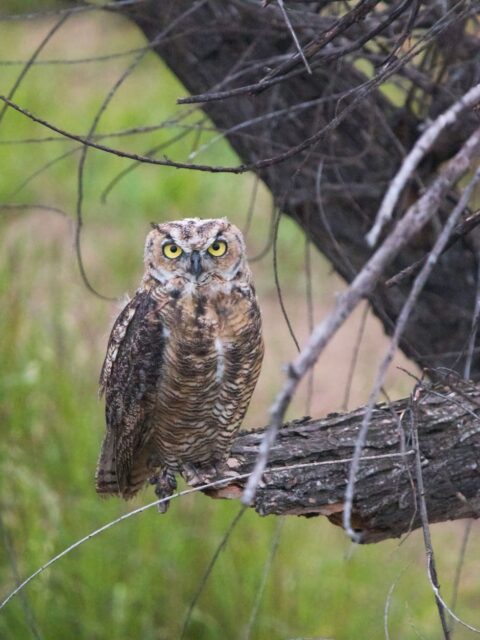
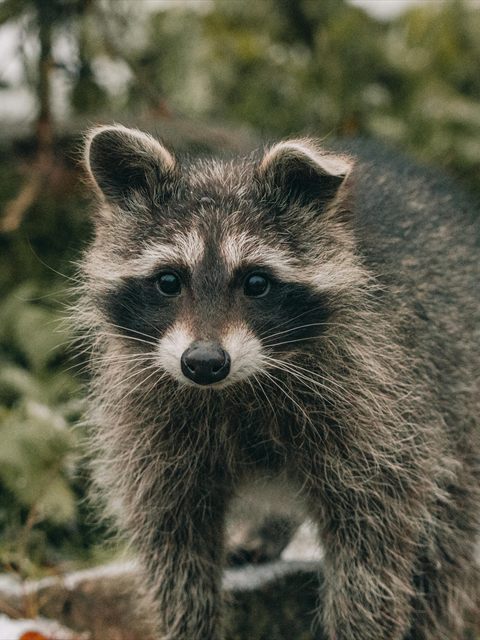
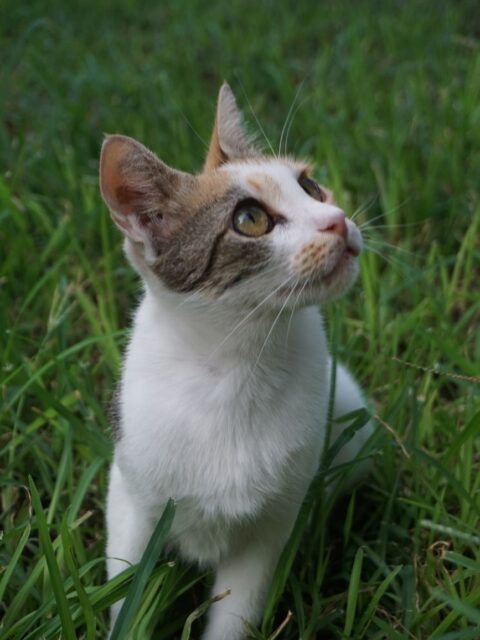
- Red-tailed Hawks, Great Horned Owls, raccoons, and domestic cats.
- Defense Mechanisms
- Common Crows use mobbing behavior to defend against predators, often calling in groups to harass and drive away threats.
- Compatible Animals
- American Robin, Blue Jay, Eastern Bluebird
- Found in Zoos
- Common