



COMMON ELAND
Taurotragus oryx
DESCRIPTION
The Common Eland is the largest of the African antelopes, characterized by its long legs and spiral horns, which can reach lengths of up to 1 meter in males. They have a robust body with a distinctive light brown to grayish coat, often featuring white stripes along their sides. Elands are known for their remarkable ability to jump, capable of leaping over obstacles up to 2 meters high, and they are social animals that often form herds, although they can also be seen alone or in small groups.
FUN FACTS
- The Common Eland is known for its impressive jumping ability, which allows it to clear obstacles and evade predators effectively
- They can jump up to 2 meters high and cover distances of up to 10 meters in a single leap
- | Elands have a unique social structure where females and their young form the core of the herd, while males often roam alone or in small bachelor groups
- This social dynamic helps ensure the safety of the young while allowing males to compete for mates during the breeding season
QUICK INFO
Lifespan15-20 years in the wild, up to 25 in captivity
Average Weight200-400 kg
Average Length2.0-2.5 m
Diet TypeHerbivore
Social Structuregroup — they typically form herds of varying sizes, often consisting of females and their young, while males may be solitary or form bachelor groups.
Activity PatternDiurnal
Breeding SeasonYear-round, with peaks depending on local conditions
- Habitat
- Common Elands inhabit open savannas, grasslands, and woodlands, where they can find ample food and space to roam. They prefer areas with access to water sources, which are crucial for their survival.
- Biomes
- Savanna, Grassland, Woodland
- Native Range
- The Common Eland is native to various regions across sub-Saharan Africa, particularly in countries like South Africa, Namibia, Botswana, and parts of East Africa.
- Continent
- Africa
- Countries
- South Africa, Namibia, Botswana, Kenya, Tanzania, Uganda
- Diet
- Common Elands are herbivores that primarily graze on grasses, leaves, and shrubs. They are known to be selective feeders, often choosing the most nutritious parts of plants.
- Diet Type
- Herbivore
- Favorite Food
- grasses, leaves, shrubs
- Social Structure
- group — they typically form herds of varying sizes, often consisting of females and their young, while males may be solitary or form bachelor groups.
- Activity Pattern
- Diurnal
- Group Size
- 10-30
- Territorial
- 0
 LC
LC
 VU
VU
 LC
LC
200-400 kg
Weight
2.0-2.5 m
Length
1.2-1.5 m at shoulder
Height (Shoulder)
- Coloration
- light brown to grayish with white stripes
- Sexual Dimorphism
- males are larger with spiral horns, females are smaller and hornless
- Lifespan
- 15-20 years in the wild, up to 25 in captivity
- Gestation Period
- 240 days
- Offspring per Birth
- 1
- Sexual Maturity
- 2-3 years
- Breeding Season
- Year-round, with peaks depending on local conditions
LC
Least Concern
IUCN Red List Status
- Population Status
- The Common Eland is currently classified as Least Concern, with stable populations in many areas.
- Wild Population Estimate
- 100,000+
- Population Trend
- Stable
- Endangered
- 0
- Threats
- Main threats include habitat loss due to agriculture and human encroachment, as well as poaching for meat and trophies. However, they are relatively resilient and adapt well to changing environments.
- Predators
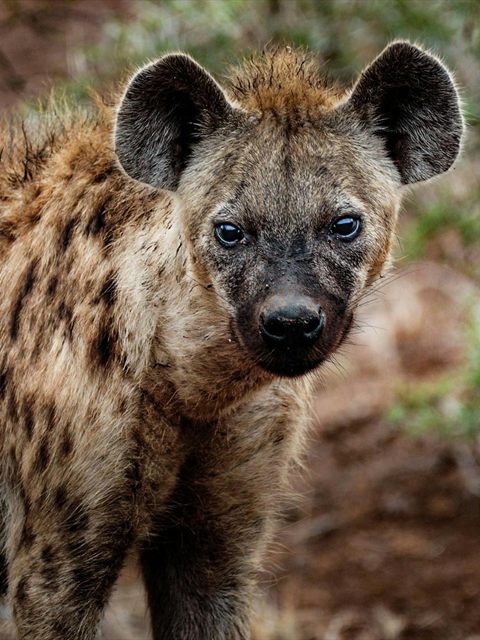
- Lions, leopards, hyenas, and crocodiles are known predators of the Common Eland, particularly when they are young or vulnerable.
- Defense Mechanisms
- Common Elands use their size and strength to defend against predators, and they can also run at high speeds to escape threats. Their ability to jump high can help them evade predators in the wild.
- Compatible Animals
- Zebras, wildebeests, various antelope species
- Found in Zoos
- Common